Cooking from scratch is almost always treated as the sustainable default, and most of the time that reputation is earned. But it is more conditional than the slogan suggests. A dish made from scratch with poorly chosen ingredients, and a trail of waste behind it, is not automatically greener than a well-judged packaged choice. The honest version of this conversation is more useful than the tidy one, because it helps you make better decisions on the nights that actually matter.
When scratch is clearly the better choice
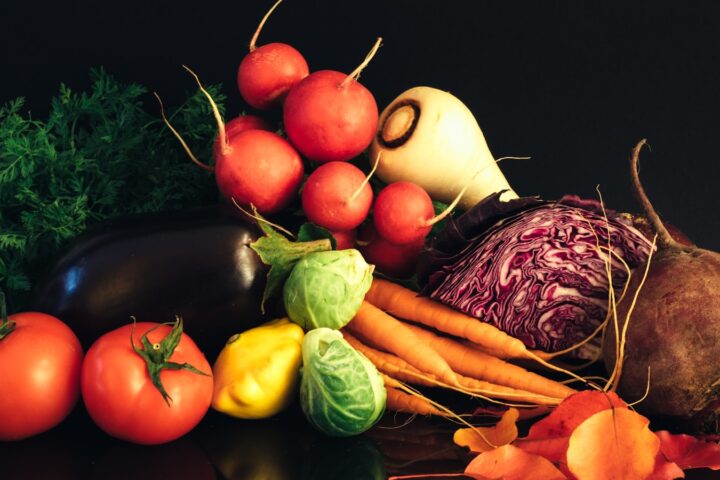
Start with the easy case. Dishes built around staples you already keep, using fresh produce in season, with the leftovers actually eaten: cooking from scratch here is genuinely the lower-waste, lower-cost, lower-emission option. Soups, stews, bean dishes, grain bowls and vegetable-forward suppers all fit this pattern. Nothing exotic is bought in, little is thrown out, and the whole dish carries a small environmental cost. This is the kind of scratch cooking worth building a week around, precisely because it is repeatable without much thought.
When scratch cooking becomes a waste problem
The trouble starts with elaborate recipes that call for specific ingredients in tiny quantities, leaving the rest of the bottle, packet or jar to slowly die at the back of the cupboard. A recipe needing one tablespoon of an obscure paste, one teaspoon of a niche spice, and a quarter cup of something you will never reach for again is rarely sustainable in practice, even though every component is whole and unprocessed. The waste is not in the cooking; it is in everything bought to enable it and then abandoned. You can soften this by choosing recipes that share ingredients across the week, or by accepting a small packaged version of the one component you will not use again.
There is a practical way to defuse this without giving up interesting food. Before committing to a recipe with an unusual ingredient, look for two or three other dishes that would use the rest of it within a week or two. A jar of miso, a tin of chipotle in adobo, a bag of dried limes: each earns its shelf space if it appears in more than one meal, and becomes waste if it appears in only one. Plan the follow-on uses at the same time you plan the first dish, or choose the smallest package available even when the unit price looks worse, because the cheapest option that rots at the back of the cupboard costs more than the small one that gets finished. Buying to a single recipe rather than to a working repertoire is the quiet source of a lot of scratch-cooking waste.
The variable that matters most: food that gets eaten
Across both scratch and packaged choices, the single most important sustainability variable is the same: did the food get eaten. This is not a small point. According to the UN Environment Programme’s Food Waste Index Report 2024, households are responsible for around 60 percent of all food wasted globally, about 631 million tonnes in 2022, or roughly 79 kilograms per person every year. The same report estimates that about one billion meals are wasted worldwide each day. The waste that happens in home kitchens dwarfs most of the packaging distinctions people agonise over. A perfectly homemade meal that goes uneaten is a waste failure. A simple packaged dinner that fed a tired household properly is a waste win. Judge the meal by whether it disappears, not by how it was assembled.
Leftovers are where scratch cooking earns its reputation
Because so much of the equation rests on whether food is eaten, how you treat leftovers matters as much as how you cook. Cooked leftovers keep for three to four days in the fridge, according to US FoodSafety.gov’s cold food storage guidance, so a pot of stew or a tray of roasted vegetables can anchor two or three more meals if you plan for it. Cook once, eat several times, and label the container with the date so nothing is forgotten and binned on suspicion. This is where deliberate scratch cooking quietly pays off: the second and third meals cost almost nothing, in money or in emissions, and they keep the first night’s effort from going to waste.
Those three to four days assume the fridge is actually doing its job. The same guidance sets the target at 40F (4C) or below for the fridge and 0F (-18C) for the freezer, and a fridge running warmer than that quietly shortens the life of everything inside it. A cheap fridge thermometer settles the question in a day. Getting the food cold quickly matters too: perishable cooked food should not sit at room temperature for more than two hours, and no more than one hour once the kitchen is above 90F. Dividing a big pot into shallow containers, rather than leaving it to cool as one deep mass, helps it reach a safe temperature before that window closes, which is the difference between leftovers you trust and leftovers you throw out on a hunch.
The freezer is the other half of the same insurance. Anything you will not reach within those few days can go into the freezer at 0F (-18C) and wait for a night you have no energy to cook. Portioned soups, stews, cooked grains and blanched vegetables all freeze well, and a labelled freezer full of your own past cooking is one of the more reliable defences against a late-night delivery order. Scratch cooking and the freezer are natural partners: the batch you could not finish this week becomes the shortcut that saves next week.
The date on the packet is not the verdict
A large amount of edible food is thrown away simply because a printed date has passed, and that instinct is worth examining. According to the USDA’s Food Safety and Inspection Service, date labels in the United States are not required by federal law for any product except infant formula, and they are not safety indicators. A “Best if Used By” date describes quality, the point at which flavour or texture may begin to fade, rather than a moment when the food becomes unsafe. Food showing no signs of spoilage is generally fine to eat past that date. The practical rule is to trust your senses over the print: look, smell and judge, rather than binning a perfectly good tin of tomatoes or bag of rice because a conservative label has ticked over. This single habit turns a meaningful share of would-be waste back into meals, which, given that household kitchens are where most of the losses sit, is exactly where the effort belongs.
The time cost counts too
Time and energy belong in the sustainability sum as well, even though they rarely appear in it. A scratch cooking effort so demanding that it pushes you into takeaway dependence for the rest of the week is not, on balance, greener than a calm rotation of simple dinners with the occasional packaged shortcut. Burnout produces waste of its own: forgotten vegetables, abandoned meal plans, deliveries ordered out of sheer exhaustion. A cooking habit you can sustain for years quietly beats an ambitious one you drop within a month.
Shop for the week you actually have
A surprising amount of home waste is decided at the shop rather than the stove. Buying fresh, perishable ingredients for an ambitious week you are unlikely to have the energy for is how good produce ends up soft and unused. It helps to shop for the week in front of you honestly: a couple of scratch dinners you genuinely want to make, a few reliable repeats, and a packaged fallback or two for the nights that go sideways. Buy the fresh things in smaller amounts and more often where you can, and lean on the freezer and the cupboard for the rest. Less food bought on optimism means less food thrown away on Sunday. It also helps to shop your own kitchen first: a quick look through the fridge and freezer before writing the list stops you buying a third jar of something already open, and turns the odds and ends of last week into the base of this week’s dinners.
Where packaged items genuinely help
Plenty of packaged products quietly outperform their fresh equivalents on cost, waste and shelf life. Tinned tomatoes, dried pasta, bagged rice, dried beans, jarred mustards, decent jarred chillies, frozen vegetables and frozen fruit, paper-wrapped butter and dried herbs all keep for a long time and rarely end up in the bin. Frozen produce in particular is often picked and frozen close to ripeness, and it waits patiently for the night you actually need it rather than wilting on a timetable of its own.
None of this makes packaging free. Containers and packaging are the largest single category of municipal solid waste, making up about 28 percent of what is generated, according to the US Environmental Protection Agency. The honest position holds two things at once: packaging is a real cost worth minimising, and it is often a smaller cost than the food waste it helps you avoid. A tin that lets beans keep for years, feeding you on a night you would otherwise have ordered in, has usually earned its place.
The calm middle path
The most sustainable kitchens tend to cook mostly from scratch, with a handful of packaged shortcuts that genuinely earn their keep. A jar of pesto when fresh basil is nowhere to be found. A tin of beans on the night you forgot to soak the dried ones. A frozen base mix when energy is low and the alternative is ordering in. What matters is that these shortcuts are chosen deliberately rather than reached for in guilt. A good jar of pasta sauce is a minor sustainability question at most, and the energy spent feeling bad about it is far better spent elsewhere.
Ask a better question
“Is this from scratch?” turns out to be the wrong question. The more useful one is this: will this get fully eaten, with little waste, and does it match the time and energy I actually have this week? Ask that on a tired Tuesday evening and it quietly produces a sustainable dinner almost every time, because it points at the things that genuinely move the needle rather than the label on the process.
Why the reframing lasts
Households that hold themselves to strict scratch-only standards often burn out within a year, and burnout tends to leave waste in its wake. Households that combine scratch cooking with a few strategic shortcuts keep calmer, lower-waste kitchens going across decades. The honest version of cooking from scratch is genuinely sustainable. The idealised, all-or-nothing version frequently is not. Aim for the habit you can actually keep, and let the occasional shortcut do its job without apology.
Frequently Asked Questions
Is it always cheaper to cook from scratch?
Usually, but not always. Some scratch recipes require specialty ingredients that cost more than the packaged equivalents would have. Most simple scratch cooking is cheaper.
What is the most sustainable type of scratch cooking?
Simple, repetitive dinners built on seasonal produce and pantry staples, with little waste. Soups, stews, rice and bean dishes, vegetable-forward meals.
Are ready meals ever the sustainable choice?
Occasionally. A frozen ready meal that gets eaten on a tired night, replacing a takeaway delivery, is often the lower-impact option.
Should I feel guilty for using a jar of pasta sauce?
No. A good jar of pasta sauce is a minor sustainability question at most. Energy spent guilt-tripping over small packaged purchases is rarely a useful investment.
How do I balance scratch ambition with weeknight reality?
Use the weekend for any genuinely effortful cooking. Use weeknights for repeats, reshapes and quick assemblies. The household waste drops, the cooking enjoyment rises.