Diet culture has turned snacking into a moral problem, treating every biscuit as a small failure. The honest version is far calmer. Snacking is fine. Mindless snacking is the part worth a little attention. A few small shifts turn snacks into useful, satisfying eating, and none of them require a rulebook.
Hunger or habit
Most snacking is not driven by hunger at all. It is habit, boredom, tiredness, or simply the packet being within reach. Real hunger is a genuine signal, and a snack is a good way to answer it. The most useful shift is a brief pause before you reach for something: are you actually hungry, or are you restless, thirsty, or putting off a task? If it is hunger, eat, and eat properly. If it is not, give it a little while and notice whether the urge passes. Often it does. A glass of water or a short walk settles more supposed cravings than people expect, and the ones that survive that pause are usually worth feeding.
Real food first
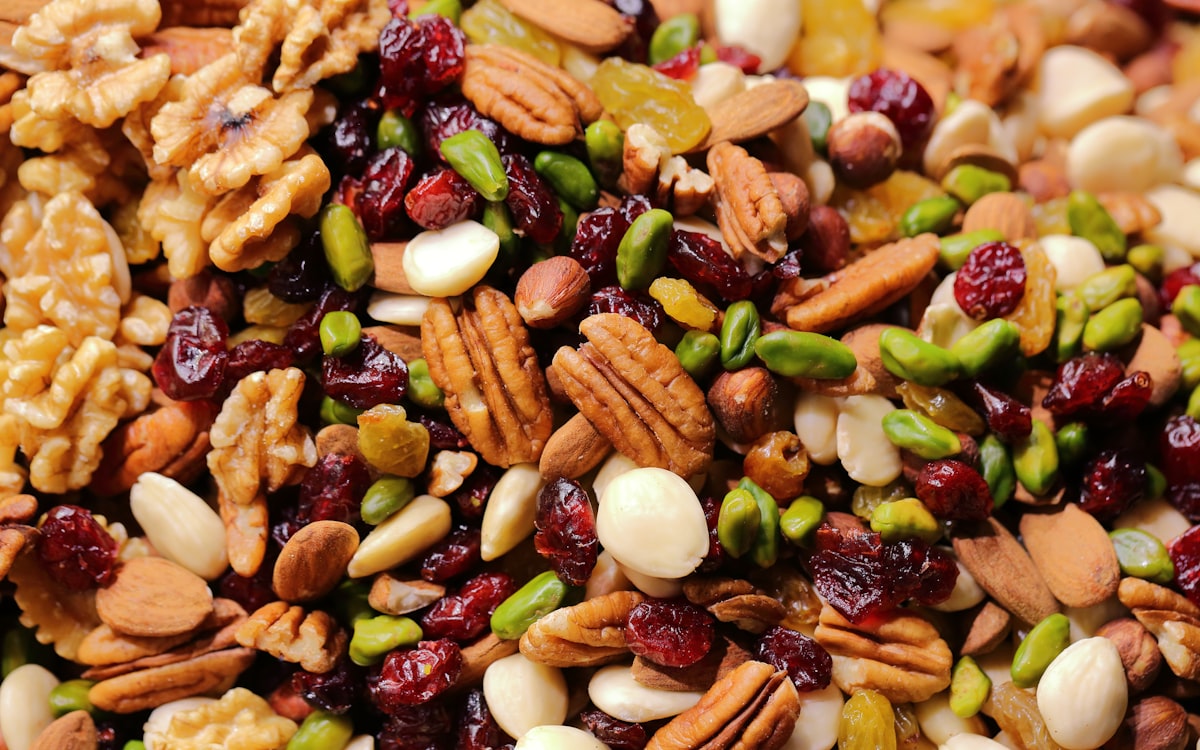
The simplest upgrade is choosing whole food more often than the processed alternative. A piece of fruit, a handful of nuts, a hard-boiled egg, a slice of cheese, toast with peanut butter, a pot of plain yogurt. These answer hunger properly and add something worthwhile to the day, rather than a quick spike followed by a slump. Snacks are also a quietly effective way to reach the produce most of us fall short on. Meeting the World Health Organization’s advice to eat at least five portions of fruit and vegetables a day is far easier when an apple, a handful of berries or a few carrot sticks are doing part of the work between meals, rather than leaving it all to the plate at dinner.
Processed snacks tend to work against you in one more way: salt. Crisps, salted crackers and many packaged savoury snacks carry a surprising amount, and the World Health Organization advises keeping salt under 5 g a day, an amount a couple of packets can quietly account for on their own. Choosing whole food more often is not about being pure. It simply leaves you more room across the day and tends to satisfy hunger more honestly than a salty snack that has you thirsty and reaching for the next thing.
Pair a carbohydrate with protein or fat
A snack that combines a carbohydrate with some protein or fat tends to satisfy far better than either on its own. Fruit and nuts, oatcakes and cheese, yogurt and seeds, toast and egg. The pairing slows things down and keeps you comfortable for longer than a single-ingredient snack of the same size. It is the difference between a snack that holds you until the next meal and one that leaves you back at the cupboard within the hour, wondering why you are still peckish.
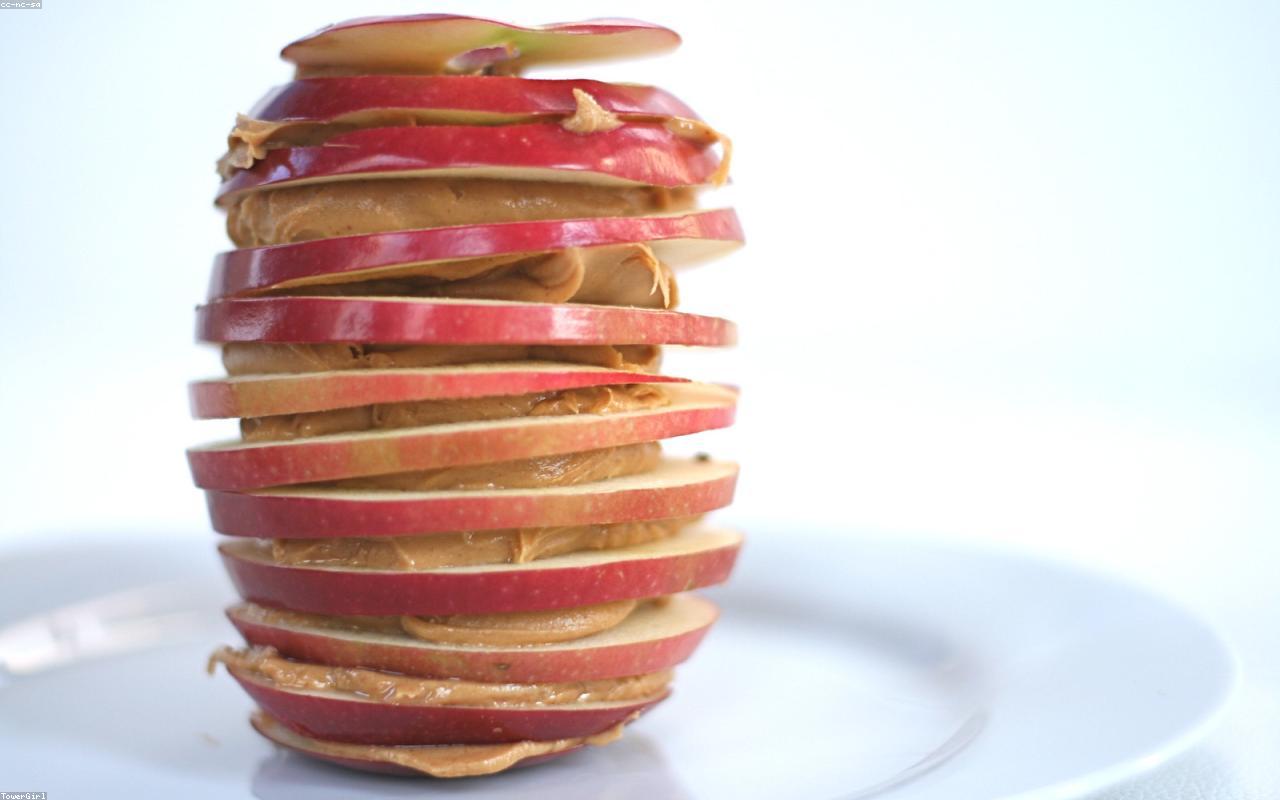
It helps to think in pairs rather than single items. If you have an apple, add a small handful of almonds or a spoonful of peanut butter. If you have oatcakes, add cheese or hummus. If you start with yogurt, stir through seeds or a little fruit. The carbohydrate gives you the quick, pleasant part, and the protein or fat is what makes it last. Once that pattern becomes second nature, you stop having to think about it and simply build snacks that hold you rather than ones that leave you hungry again before long.
Plate it, do not eat from the bag
Eating straight from a bag, box or tub while doing something else is the classic mindless pattern. The food disappears without you really registering it, and you finish still wanting more. Tipping the snack onto a plate, sitting down for a moment and actually tasting it changes the experience entirely. The same food, the same amount, feels more satisfying simply because you noticed eating it. This is the single change that does the most for the least effort.
Keep the good snacks in sight
Out of sight, out of mind genuinely works. The fruit bowl on the counter gets eaten; the chocolate at the back of the cupboard is rarely missed. Arranging what you actually see is one of the quietest, most effective tools you have. It matters beyond your own appetite, too. Fruit and vegetables left forgotten in a drawer are a common route to the bin, and households are responsible for most of the world’s food waste, around 79 kilograms of food per person each year. Keeping produce visible means it gets eaten while it is still good rather than thrown out once it turns, which is better for your snacking and better for the amount you waste.
The scale of that waste is worth sitting with for a moment. Households account for around 60 percent of all the food thrown away globally, roughly 631 million tonnes in 2022, and close to 1 billion meals are wasted worldwide every day. A large share of that is fresh produce that turned before anyone ate it. Snacking is one of the easiest places to change that, because the fruit and vegetables you keep visible and ready to eat are exactly the ones that get used rather than binned.
Confusion over date labels sends a lot of edible food to the bin too. Aside from infant formula, those printed dates are not required by law and are not safety indicators: a “best if used by” date describes quality rather than safety, and food showing no signs of spoilage is generally fine to eat past it. For snack staples like yogurt, cheese, crackers and nuts, that means trusting your eyes and nose rather than tossing a perfectly good pot because the date has ticked over. Genuine spoilage, an off smell, visible mould or a sour taste, is the signal to bin something, not the number printed on the label.
A little prep goes a long way
People reach for the least helpful option mainly because it is the easiest one to hand. A small amount of preparation tips the balance. Boil a few eggs at the start of the week, portion nuts into small jars, wash and cut vegetables, keep hummus or yogurt ready to go. Prepared and cooked snacks generally keep in the fridge for three to four days, so a few minutes of prep buys you several days of easy, real-food snacking.
Two small habits make that prep last and keep it safe. The first is temperature: keep the fridge at 40F (4C) or below and the freezer at 0F (-18C), since a fridge running warmer than that shortens the safe life of everything inside it. The second is time out of the cold. Perishable snacks such as boiled eggs, cut fruit, hummus or yogurt should not sit at room temperature for more than two hours, or more than one hour if the room is above 90F, so a pot that has been out on your desk all afternoon is better replaced than saved. From there, lean on a handful of reliable go-to combinations so you never have to decide from scratch when hunger arrives:
- fruit with nuts or a spoonful of nut butter
- crackers or oatcakes with cheese, or yogurt with seeds
- a small piece of toast with a savoury topping
Rotating through a few dependable options covers most of what a day throws at you, and takes the daily decision out of it entirely.
Notice how a snack leaves you feeling
The most reliable guide is not a chart but your own body an hour later. A snack that leaves you steady and comfortable was a good choice; one that leaves you flat, or hungrier than before, is telling you something. You do not need to track anything or turn it into a project. Just pay quiet attention to which snacks carry you to the next meal and which send you looking for more soon after. Over a few weeks, you learn your own patterns, and the useful choices start to feel obvious rather than imposed.
When you actually want the chocolate
Sometimes you want the chocolate, and no apple will do. Eat it. Put a moderate amount on a plate, sit down, and enjoy it with full attention rather than working through the bar in front of a screen. Mindful enjoyment of a treat is healthier, in every practical sense, than guilty avoidance followed by a larger, half-noticed binge later on. The only thing worth an eye on is frequency: sweet things sit best as an occasional, genuinely enjoyed choice, rather than a constant background habit you barely taste. If you want a rough guide, the World Health Organization suggests keeping free sugars below 10 percent of your daily energy, and ideally below 5 percent, which is less a strict limit to obsess over than a reminder that treats work best kept to the edges of the day rather than the centre of it.
Gentle structure, if you want it
Some households do better with a little rhythm. Rather than grazing from morning to night, you might settle into a planned mid-morning and mid-afternoon snack, with room for genuine hunger in between. The structure is not a rule to police; it just reduces the constant low-level nibbling that adds up without ever really satisfying. If your day runs better with no fixed pattern at all, that is fine too. The point is to find what fits your life, not to adopt someone else’s timetable.
Letting go of the guilt
Snacks are neither good nor bad. They are an ordinary part of eating, and treating them as a moral test mostly produces shame, restriction and the rebound eating that follows. The healthiest relationship is an unremarkable one: choose real food most of the time, eat it with a little attention, and let the occasional biscuit be just a biscuit. None of this asks for willpower or a strict plan. Small changes, repeated quietly, gradually settle into a steadier way of eating and a calmer relationship with food.
Frequently Asked Questions
Should I avoid snacking entirely?
No. Snacking is fine for most people. The question is what you snack on and whether you eat with attention. A pattern of small, real-food snacks supports good nutrition.
What is the healthiest single snack?
There is no single answer. A combination of fruit and nuts is one of the most satisfying and nutritious for most people. Variety matters more than one perfect snack.
Are protein bars good snacks?
They can be, depending on the bar. Many are heavily processed and high in sugar. A homemade equivalent or a real-food combination usually beats most commercial bars.
How do I deal with evening snacking?
Identify whether it is hunger or habit. If hunger, eat a real food snack with intention. If habit, find a different cue (tea, a walk, a different activity) for that part of the evening.
Is it bad to snack between meals?
No. Frequent small snacking and structured three-meals-no-snacks both work for healthy people. The pattern that works for your life is the right one.