Healthy eating is usually sold as a lifestyle: premium ingredients, a cupboard of supplements, and a shopping trip that costs as much as a night out. In practice, some of the most nutritious food in an ordinary supermarket is also among the cheapest. The skill is knowing where to look, and being willing to ignore the wellness branding entirely.
The myth that healthy food is expensive
There are two versions of healthy eating on the shelves. The expensive one runs on speciality grains, out-of-season produce, protein powders and an organic version of everything. The plain one runs on beans, oats, eggs and vegetables. Both are nutritious; only one is costly. The idea that healthy means expensive survives because the expensive version has all the marketing behind it. The plain version has none, because nobody makes much money selling dried lentils.
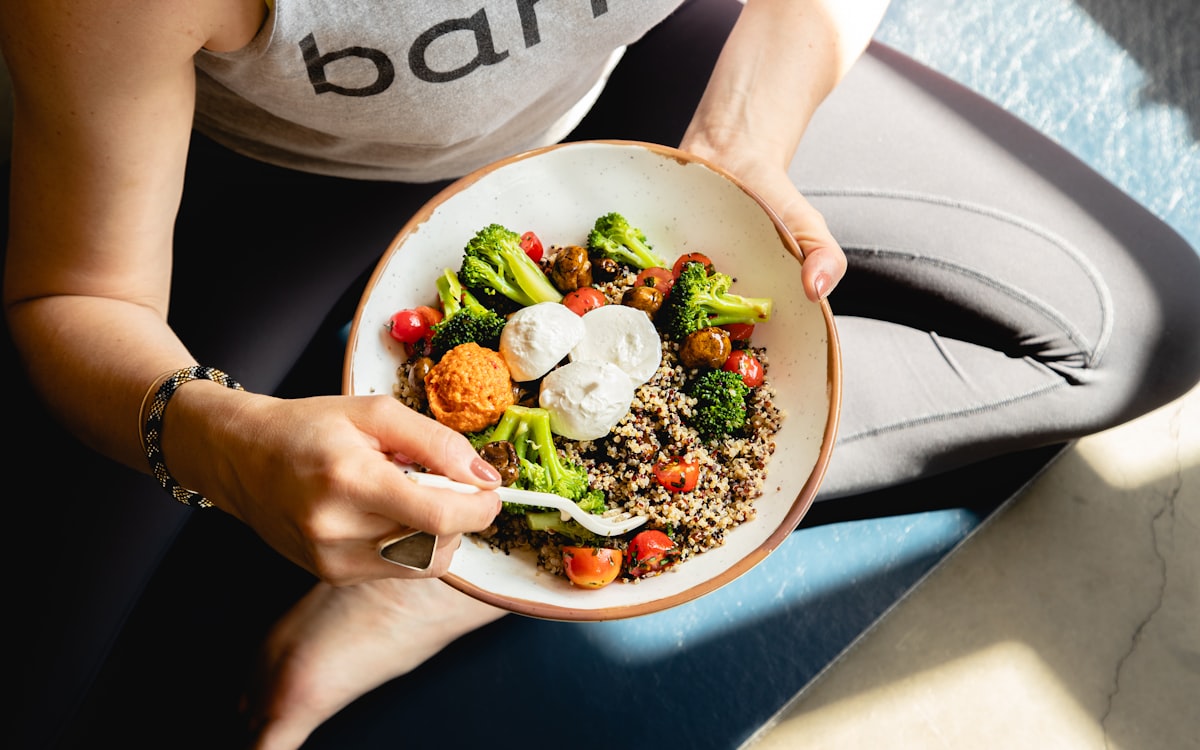
It helps to remember what a healthy diet actually asks for. The World Health Organization suggests at least 400 g of fruit and vegetables a day, which is roughly five portions, along with keeping salt under 5 g a day and free sugars below 10 per cent of energy intake (ideally under 5 per cent). None of that requires a specialist shop. Frozen peas, a bag of carrots, tinned tomatoes and a cabbage will carry most of the fruit-and-veg target for very little money. The salt and sugar targets, if anything, steer you away from the expensive processed end of the shop and towards the cheap plain foods that were the good value all along.
The cheap nutritional workhorses
A short list does most of the heavy lifting: dried beans and lentils, oats, brown rice, eggs, frozen vegetables, cabbage and kale, carrots, onions, tinned tomatoes, tinned fish, bananas, apples and peanut butter. Per portion, these deliver more nutrition for the money than almost any speciality product in the store. None of them is glamorous, and that is rather the point.
Each one earns its keep for a reason. Dried beans and lentils give you protein, fibre and iron in the same mouthful, and a bag that costs very little cooks up into several days of meals. Eggs are close to a complete protein and cook in minutes. Tinned fish (sardines, mackerel, pilchards) brings the same omega-3 fats that fish-oil capsules are sold for, at a fraction of the price and with a meal attached. The cheapest items are consistently the ones that store longest and stretch furthest.
A five-item pantry to build from
If you want a starting point, keep five things permanently stocked: rolled oats, brown rice, dried lentils, peanut butter and frozen vegetables. With those in the cupboard, plus eggs and a few fresh items bought each week, a household can turn out proper meals for a fraction of the cost of ready meals or takeaways. Dried lentils earn their place especially well: they are among the cheapest sources of protein, fibre and iron there is, they cook quickly, and they keep for a very long time. Red lentils need no soaking and collapse into a soup or dhal quickly, which suits anyone nervous about cooking pulses.
Cheap meals that are actually worth eating
These are not survival rations. A few examples that most people are happy to eat again: lentil and tomato stew over rice; eggs with sauteed kale and toast; porridge with peanut butter and banana; black beans with rice, onions and a fried egg; a bean and frozen-vegetable curry. Each is cheap, filling and quick enough for a weeknight. The trick is that they lean on flavour from onions, spices and a little fat rather than from costly ingredients.
Take the lentil and tomato stew as a worked example, since it shows the method rather than just the recipe. Soften a chopped onion in oil, add garlic and whatever spices you have (cumin, paprika and a bay leaf go a long way), stir in red lentils and a tin of chopped tomatoes, then top up with water and simmer until the lentils fall apart. That is a full meal from storecupboard items, and the flavour comes almost entirely from the browning of the onion and the toasting of the spices, neither of which costs anything extra. Learn that one sequence, onion, then aromatics, then pulse, then liquid, and you can improvise variation after variation without a recipe in front of you.
Frozen and tinned are friends, not compromises
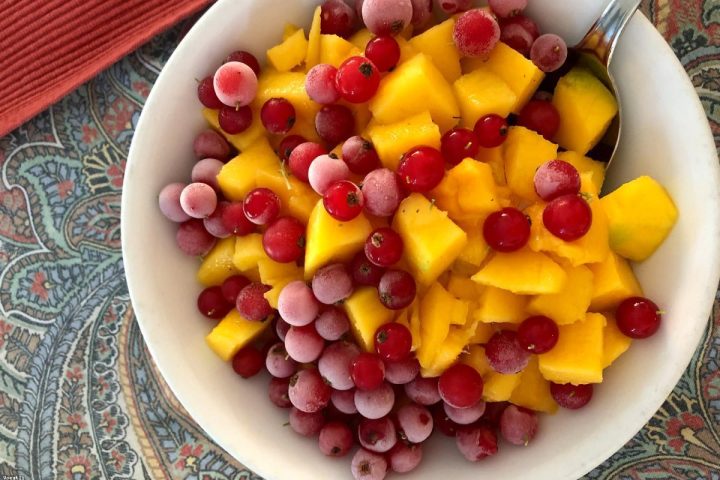
There is a lingering idea that fresh is always better. Frozen vegetables are usually picked at peak ripeness and frozen within hours, which locks in nutrition rather than losing it. (They stay good as long as your freezer holds at or below -18C (0F), the point at which frozen food keeps safe indefinitely.) Tinned beans, tinned fish and tinned tomatoes are all excellent, keep for ages, and cost a fraction of their fresh or speciality equivalents. The convenience is real and the quality is genuine, so there is no need to feel you are settling for something lesser. Frozen fruit is the same story: a bag of mixed berries in porridge or blended into a drink costs far less than the fresh punnet.
Skip the speciality wellness aisle
Chia seeds, acai powder, exotic mushroom supplements, speciality grain mixes. These are not worthless, but they are wildly disproportionate in cost for what they add. The same nutrients, the fibre, the protein, the antioxidants people pay a premium for, are available in everyday foods for a small fraction of the price. Spending the wellness-aisle budget on more vegetables and a whole chicken instead will do far more for an actual diet. Your body cannot tell whether its fibre arrived in an expensive seed or a tin of beans.
Buy whole, cook whole
Convenience is priced in at every counter. A whole chicken costs much less per portion than pre-cut breast fillets, and leaves you a carcass for stock on top. A whole cabbage costs a fraction of a bag of pre-cut salad leaves. Every time something is chopped, portioned or bagged for you, you are paying for that labour. Doing a little of it yourself is one of the quickest ways to bring the bill down without eating any worse.
A whole chicken is the clearest example of the saving. Roast it once and you get one meal from the breast and legs, another from the picked-over remainder, and a pot of stock from the bones simmered with an onion and saved vegetable trimmings. One bird, several meals. The same thinking applies to blocks of cheese over grated bags and loose potatoes over pre-washed ones: the less a shop has handled the food, the less you pay for it.
Cook a big pot, eat it through the week
Batch cooking is the most reliable cheap-and-healthy habit there is. A large pot of lentil soup can be dinner on Monday, lunch on Tuesday and a slightly reworked dinner on Wednesday. You cook once and eat several times, and the effort per meal falls each time. Cooked leftovers keep for three to four days in the fridge according to food-safety guidance, and anything you will not finish in that window freezes well for later.
The safety side is simple. Keep the fridge at or below 4C (40F) so that cooked food actually lasts the three to four days it should. Do not leave a cooked pot standing at room temperature for more than two hours (one hour if the kitchen is above 90F), because that is the window in which bacteria multiply fastest. Cool the pot down reasonably promptly, split a large batch into smaller containers so it chills faster, and portion single servings before they go into the freezer so you reheat only what you will eat.
Waste less, and the budget looks after itself
The cheapest food of all is the food you already bought and did not throw away. The scale of household waste is startling: the UN Environment Programme found that households throw out about 79 kilograms of food per person every year, and account for 60 per cent of all food wasted worldwide, some 631 million tonnes in 2022. Put another way, roughly 1 billion meals are binned across the world every single day. A good share of that is money that was spent and then discarded.
The habits that cut a food bill are mostly waste-avoiding ones: cooking to a rough plan so you buy only what you will use, storing vegetables properly so they last, freezing the half you will not get through, and turning the sad end of a vegetable drawer into soup rather than into the bin. Each dodged clear-out is money kept in your pocket for no extra effort at the till.
Shop the reduced section without worry
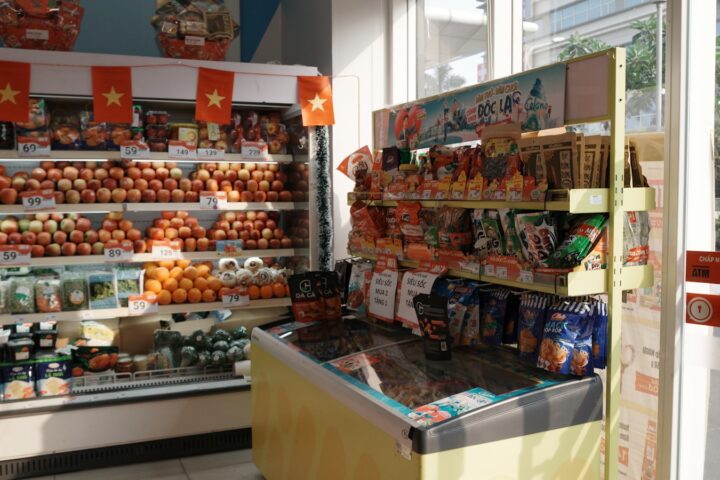
End-of-day reductions on bread, dairy, produce and meat can stretch a budget a long way, and the food is usually perfectly good. Most of those yellow stickers are there because a “best before” or “best if used by” date is approaching, and those dates are about quality, not safety. The USDA notes that, aside from infant formula, date labels are not required by law and are not safety indicators, and that a “best if used by” date speaks to quality rather than safety, so food showing no signs of spoilage is generally fine past it. Trust your own eyes and nose, buy what you will use or freeze, and take the discount. Reduced meat and bread freeze straight away, which turns a same-day bargain into next month’s dinner.
The drink question
Drinks quietly eat a large share of a food budget. Tap water is free, tea is close to it, and almost everything else, juice, fizzy drinks, bottled water, a daily bought coffee, adds up quickly over a week. Making water the default and keeping the rest as an occasional treat does not touch your health, and it noticeably helps the bill. It also lines up with keeping free sugars low, since fizzy drinks and juices are among the biggest sources of them in a typical diet.
The honest limits
Budget healthy eating does ask for some time at the stove. If your circumstances make cooking genuinely difficult (long shifts, no kitchen, poor health), the sums change, and there is no shame in that. But for most households with even modest cooking ability and a working hob, the plain nutritious diet is among the cheapest ways to eat, not the most expensive one.
The quiet win
People who shift towards cheap, healthy basics tend to report the same two things: their food bill drops noticeably, and their meals get better rather than worse. The expensive wellness aisle was never doing the real work. Beans, oats, eggs, frozen vegetables and a big pot on the stove were doing it all along.
Frequently Asked Questions
Are organic vegetables worth the cost on a tight budget?
For pesticide-prone produce eaten with skin (berries, apples, leafy greens), often yes. For most other items, conventional is fine. The budget matters more than universal organic.
How much does a healthy meal really cost?
Building from cheap staples, often under 2 dollars/pounds per portion. Adding small amounts of higher-cost protein brings it up to 3-4 per portion. Specialty meals can run much higher.
Is meal kit subscription a good budget option?
Almost never. Meal kits are typically expensive per portion. They have other benefits (learning, variety) but are not a budget solution.
Can I save money buying in bulk?
For staples your household reliably uses (oats, rice, beans), yes. For specialty items, only if you actually finish them. Bulk only saves if you rotate the stock.
What is the single cheapest nutrient-dense food?
Dried lentils. They are extremely cheap per portion, take only 20-30 minutes to cook, store for years, and provide protein, fibre and iron.