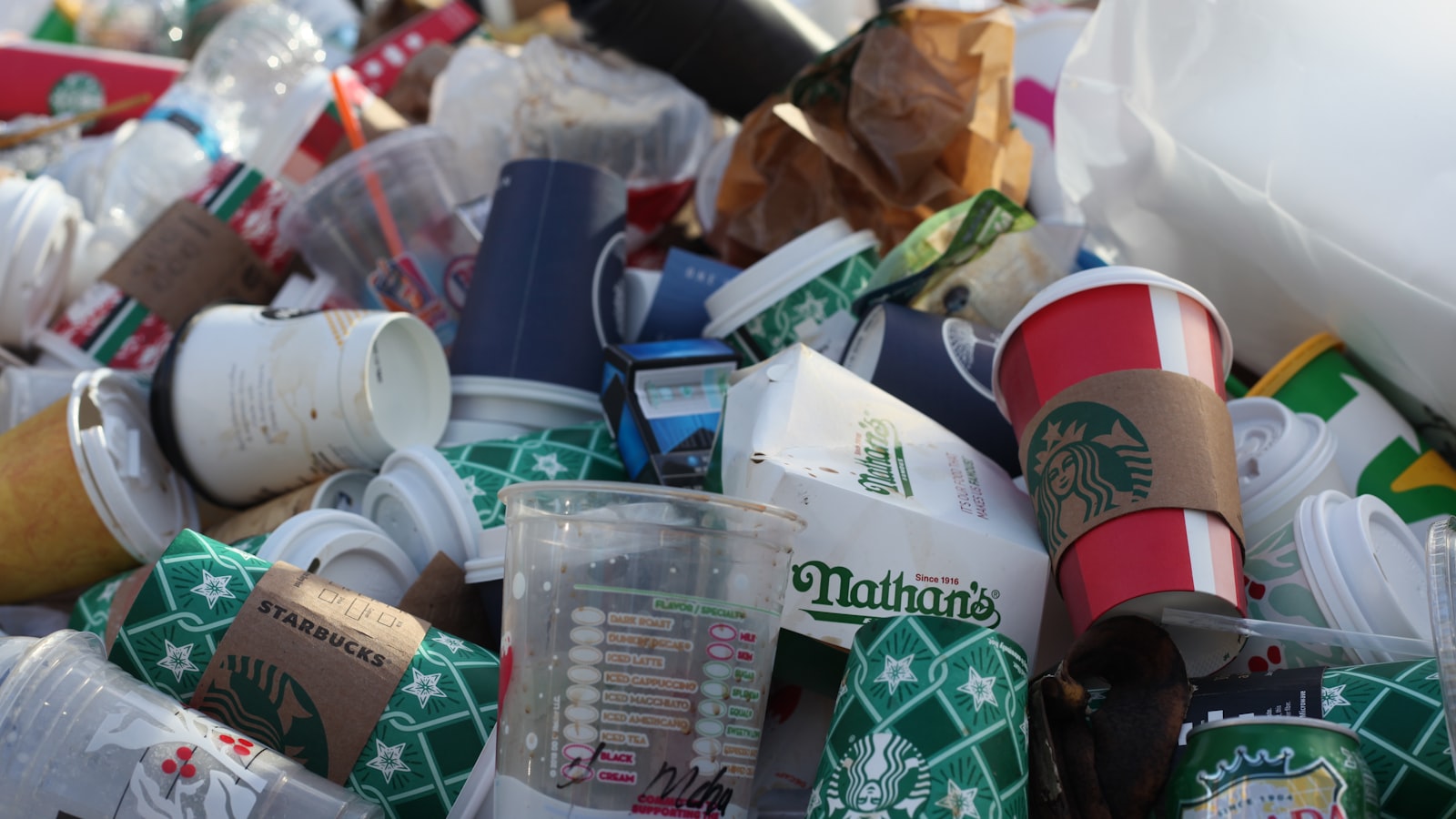
Pull the kitchen bin out and look at what actually fills it. Set aside the food scraps, which have their own place, and look at the rest: the pot that held the yoghurt, the film peeled off the mince, the sleeve around a ready meal, the bottle, the tub, the tray, the crisp packet. Most of what we throw away is not the thing we bought. It is what the thing came in.
That impression holds up when you measure it. Across a whole country’s rubbish, containers and packaging are the single largest category of waste. The US Environmental Protection Agency puts them at about 28 percent of municipal solid waste generated, a bigger slice than food scraps, than garden clippings, than furniture or clothing. Municipal solid waste is simply the everyday rubbish that households and small businesses set out for collection, so this is not an abstract industrial figure. When people picture waste, they tend to imagine broken appliances and worn-out sofas. The truer picture is a drift of bottles, boxes and plastic film, and a great deal of it passes through the kitchen.
Where the weight comes from
“Containers and packaging” is a broad heading. It covers the glass jar your jam came in, the aluminium can, the steel tin, the cardboard box, the paper bag, the wooden crate, and every kind of plastic from the rigid milk bottle to the flimsy salad bag. Some of these are heavy and simple to recycle; some are light and almost impossible. What they share is a single job, to hold a product until you open it, and then they are done. A sofa lasts for years. A yoghurt pot lasts a single breakfast.
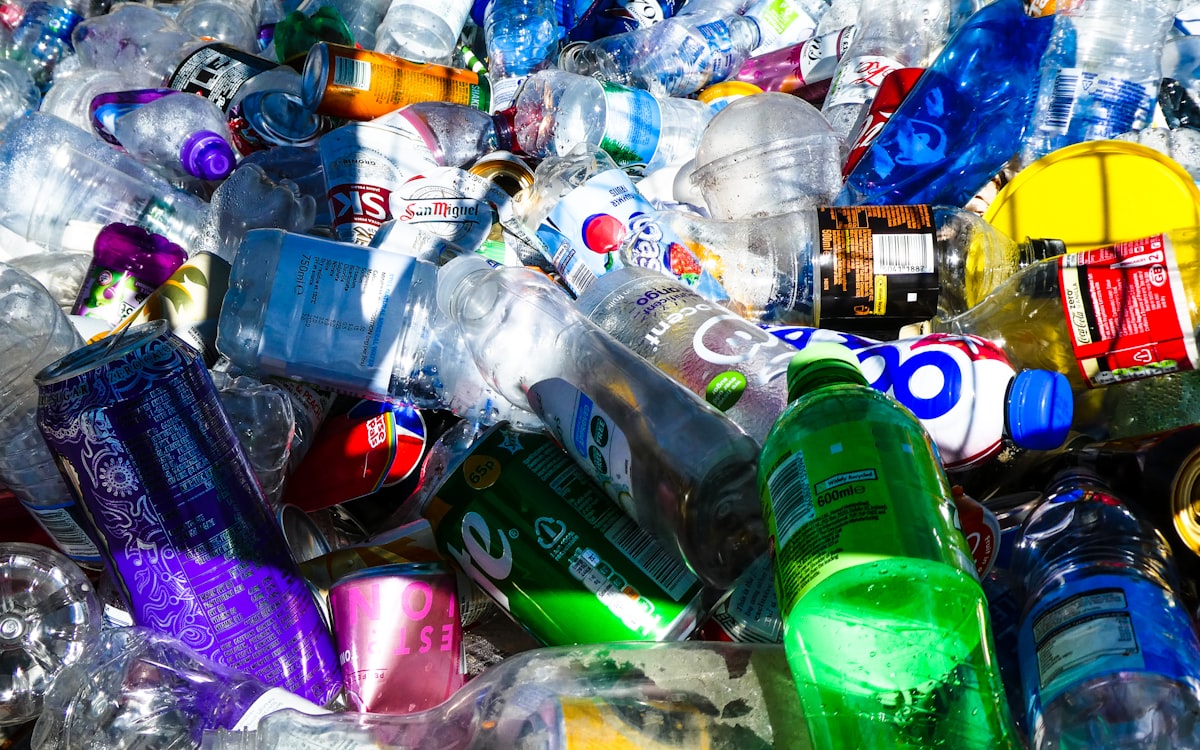
It helps to sort the material in your hand into rough families. Glass and metal are dense and can be recycled again and again, so a jar or a can carries a lot of weight but has a clear route onward. Paper and cardboard are lighter and widely accepted, though grease and food residue can spoil them. Rigid plastics such as drinks bottles and firm tubs are often collected too. The awkward cases are the light ones: thin films, crisp packets, stand-up pouches and the dark plastic trays under ready meals. These weigh very little each, which is part of why they are used, yet they are the hardest to deal with once emptied.
The reason is usually that they are made of more than one material fused together. A pouch that keeps coffee fresh may combine plastic with a thin layer of metal; a snack wrapper may laminate several different plastics into a single film. Bonded like this, the layers cannot easily be separated back into clean streams, so even a careful sorter is often left holding something with no home in the kerbside bin. Weight is not the same as trouble. The heaviest packaging is frequently the easiest to recycle, and some of the lightest is the most stubborn.
Why food carries so much of it
Food and drink drive a large share of this. Think about how many separate items in a weekly shop arrive sealed, wrapped, boxed or bottled. A single evening meal can generate a tray, a film lid, an outer sleeve and a plastic bag for the salad, all destined for the bin almost straight away. Because we eat every day, the packaging that comes with food is the part of the waste stream we handle most often, and the part we can influence most directly.
There are honest reasons food is so heavily packaged. Fresh produce spoils, and a film wrap can genuinely slow that down. Portioning keeps a household from buying more than it can use before it goes off. Hygiene rules mean meat and dairy must be sealed. And packaging carries the information we depend on: dates, allergens, storage and cooking instructions. Not all of it is waste for the sake of waste.
But a good deal of it is. Multipacks bundle small items inside a second layer of plastic. Fruit and vegetables that need no protection at all are shrink-wrapped onto polystyrene trays. Snack-size portions multiply the wrapper against the amount of food inside. Much of this exists to make a product look generous on a shelf, or to give a brand more room to print its name across your eyeline. Once you start noticing the difference between packaging that protects food and packaging that sells it, the bin begins to look like a series of choices rather than something fixed.
The same dinner, two ways
A worked example makes the difference concrete. Picture a simple vegetable curry made for a family. Bought as a ready-assembled kit, it might arrive as a plastic tray of chopped vegetables under a film lid, a separate pouch of sauce, a tub of rice and a cardboard sleeve wrapping the lot, with a bag of naan on the side. Every one of those items goes in the bin within the hour, and several are the awkward mixed materials that recycling struggles with.
Now picture the same curry built from base ingredients: loose onions, a couple of loose peppers, a tin of tomatoes, a tin of chickpeas, a bag of rice and a jar of spices you already keep in the cupboard. The tins and the jar have a straightforward recycling route, the loose vegetables bring no packaging at all, and what is left over is a fraction of the pile the kit produced. The meal on the plate is much the same. The difference sits entirely in what you carry to the bin afterwards, and it comes down to how the shopping was chosen rather than any special effort in the kitchen.
Why the labels don’t rescue you
Faced with a wall of tubs and pouches, most of us reach for the ones that promise to be kind: “biodegradable”, “eco”, “plant-based”, “recyclable”. It is worth being sceptical, because these words are only as good as what actually happens after you throw the item away.
Take “biodegradable”. The US Federal Trade Commission’s Green Guides treat an unqualified biodegradable claim as deceptive when the item is bound for a landfill, because sealed in a tip it will not break down within a year. Most household rubbish does go to landfill or incineration rather than a compost heap, so a “biodegradable” pot in your general waste behaves much like any other pot. The same guidance says marketers must be able to substantiate claims such as “recyclable” or “compostable”, which means a label on its own is not proof that your local system can process the material.
The practical lesson is not to distrust every claim, but to test it against reality. Three questions usually settle it. First, where will this item actually end up, in my recycling bin, a food-waste caddy or the general rubbish? Second, does the label tell me the specific condition it needs, such as home composting, an industrial composter, or a particular kerbside stream? Third, will my own council actually take it? “Compostable” only helps if you have a way to compost the thing, whether at home or through a council food-waste collection. “Recyclable” only helps if your kerbside service takes that specific material. A responsible label tells you which; a vague one is just decoration.
Honest ways to cut it
The most reliable way to shrink packaging waste is to avoid buying it in the first place, and the kitchen offers plenty of room to do that without turning shopping into a chore.
- Buy loose where you can. Loose fruit, vegetables and bakery items skip the tray and the film entirely. Bringing your own bag removes even the thin plastic sleeve you would otherwise take from the roll, and a couple of reusable produce bags weigh next to nothing in a coat pocket.
- Choose the larger size. A big container almost always carries less packaging per portion than a cluster of small ones. Decant into smaller pots at home if you need portions to grab on the way out, which keeps the convenience without buying the extra wrappers.
- Favour materials your area actually recycles. Glass, metal and rigid card tend to be widely accepted; soft plastic film and dark trays often are not. Where you have a choice between two similar products, the one in the recyclable material is the better default, and it is worth checking your council’s list once so the choice becomes automatic.
- Refill and reuse. Refill shops for staples such as rice, pasta, oats and cleaning liquids let you keep the same container in rotation. Even without one nearby, reusing jars and tubs at home cuts down on what you buy new.
- Cook from base ingredients. A meal built from a few loose vegetables, some dried lentils and a tin generates far less packaging than the same meal assembled from ready-made components, each in its own tray and sleeve.
None of this requires perfection. You will still bring home wrapped things, and some of that wrapping does a real job. The aim is to shift the balance, to notice the packaging that exists only to sell, and to leave more of it on the shelf.
Making it a habit rather than a project
The change that lasts is the one you stop having to think about. Rather than overhaul a whole shop at once, pick one or two swaps and let them settle: keep a few folded bags by the door so loose produce is never a problem, or default to the larger jar of the thing you buy most often. A short mental note as you shop, asking whether this packaging protects the food or just sells it, does more work than any single grand gesture. Over a few weeks the easy wins become the normal way you shop, and the bin quietly gets lighter without a running tally in your head.
Keeping it in proportion
It is easy to feel that individual choices are pointless against a category this large. They are not pointless, but they are not the whole story either. Packaging is designed and sold to us long before it reaches the bin, and the honest position is that shoppers can only pick from what producers put on the shelf. Buying loose, choosing better materials and refusing to be swayed by a green-sounding label all send a small signal back up that chain.
The reason packaging is the biggest thing in your bin is that it is genuinely everywhere, the one waste stream that touches almost every purchase you make. That is exactly why paying attention to it is worthwhile. Of all the categories of household waste, this is the one you hold in your hands most often and can steer most easily, one shopping trip at a time.
Frequently Asked Questions
What is the single largest category of household waste?
Containers and packaging. The US Environmental Protection Agency puts them at about 28 percent of municipal solid waste generated, a bigger share than food scraps, garden clippings, furniture or clothing. Because almost every purchase arrives in some kind of wrapping, it is the waste stream we handle most often.
Does 'biodegradable' packaging actually break down in a normal bin?
Usually not. The US Federal Trade Commission's Green Guides treat an unqualified biodegradable claim as deceptive when the item is bound for a landfill, because sealed in a tip it will not break down within a year. Since most general rubbish goes to landfill or incineration rather than a compost heap, a biodegradable pot in your ordinary waste behaves much like any other pot.
Is heavier packaging always worse than light packaging?
No, weight is not the same as trouble. Glass and metal are heavy but have a clear recycling route, while thin films, pouches and dark trays weigh very little yet are among the hardest things to recycle. That is often because the light items combine several materials fused together, which cannot easily be separated back into clean streams.
How can I tell whether something is genuinely recyclable?
Check what your own council actually collects rather than trusting the label alone. The Federal Trade Commission's Green Guides say marketers must be able to substantiate claims such as recyclable or compostable, so a word on the pack is not proof your local system can process the material. A responsible label names the specific condition or stream needed; a vague one is just decoration.
What is the most effective change I can make?
Avoid buying the packaging in the first place, since that is more reliable than trying to recycle it later. Buying loose produce, choosing a larger container over several small ones, and cooking from base ingredients all cut waste before it enters the home. None of this needs to be perfect; the aim is to shift the balance and leave the packaging that exists only to sell on the shelf.