
Food awareness is built slowly, not in a weekend of documentaries. The household that becomes genuinely informed over years tends to follow a calmer pattern than the one that tries to learn everything at once. What follows is what that pattern looks like in practice: a set of small, repeatable habits that compound, rather than a single burst of effort that fades by the following month.
Pick one category a year
Coffee one year. Chocolate the next. Seafood the year after. Eggs and dairy after that. Going deep into a single category builds genuine literacy, while trying to learn everything at once leaves you with shallow knowledge across the board and no real confidence in any of it.
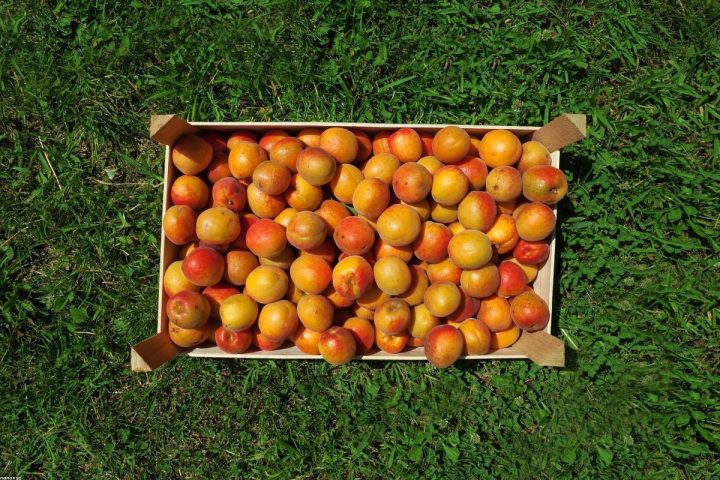
A useful way to structure that year is to move through a category in stages. Spend the first few months simply noticing: which varieties appear, what they cost, where they come from, who sells them. Then read into how the food is grown or made, and finally into how it is graded, labelled and priced. By the end of the year you will have a working mental map of one category that you can carry into the shop without having to look anything up.
Going deep also means learning what the words on the packet actually mean. Take organic as an example. The USDA organic seal is not a marketing flourish; it is federally regulated under the National Organic Program, the land must have had no prohibited substances applied for at least three years before harvest, and certified operations are inspected every year. Genetic engineering, irradiation and sewage sludge are not permitted. Whether or not you choose to buy organic, knowing precisely what the term guarantees is the sort of concrete literacy that a year of attention produces.
That three year conversion window is a good illustration of why a label rewards a closer look. It means a field cannot switch to organic status overnight to chase a premium; the standard is built around a slow transition and an annual inspection rather than a one-off promise. Once you understand a single certification at that level of detail, you tend to read every other claim on the shelf more sceptically, asking who verifies it and how often, rather than taking the word at face value.
Read one long piece, not twenty short ones
A single in-depth investigation into a food category is worth dozens of social media posts on the same subject. Long-form journalism, documentaries from credible producers and books by knowledgeable authors build the kind of awareness that lasts. Quick takes tend to feed anxiety without adding much insight, and they rarely give you the context to judge the next quick take you read.
Choosing sources well matters as much as reading them. Look at the author’s track record, the publication’s editorial standards, which sources it cites, and whether it engages with complexity rather than reaching for certainty. Credible writing on food rarely sounds absolutely sure of itself. Academic research is worth dipping into selectively: review papers and meta-analyses, which weigh many studies together, are more reliable and more readable than individual studies, which often contradict one another and are easy to misread in isolation.
It helps to separate the two questions a food story usually blurs together: is this claim true, and does it matter at the scale of my own kitchen. A study can be perfectly sound and still describe an effect too small to change how you shop. Reading government and agency material directly, rather than a summary of a summary, is one way to keep that distinction clear, because a page from a food safety regulator or an agriculture department usually tells you what a rule actually requires, which is often narrower than the headline built on top of it.
Visit a production site when you can
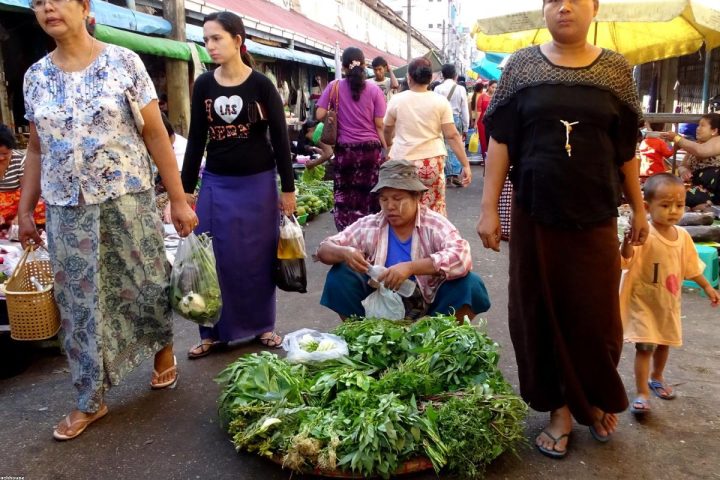
A working farm, a small dairy, a community garden, an oyster lease, a coffee roaster. Direct contact with food production reshapes how you think about the shelves at the supermarket. This is not nostalgia for a simpler past; it is information that photographs alone cannot carry, the smell of a dairy, the labour in a harvest, the sheer scale or smallness of an operation you had only read about.
You do not need a formal tour. Many farmers’ markets are staffed by the people who actually grow the food, and a single honest question about how something is produced often opens up more than an afternoon of reading. Pick-your-own farms, open days and volunteering at a community garden do the same. The point is to replace an abstraction with a memory, so that the next time you read about that category, you have something concrete to hang the words on.
Build a small circle of producers you know
One regular grower at the market. One bakery you trust. One fishmonger you can ask questions of. These relationships compound. Each conversation teaches a little more: why the price moved this week, why a variety disappeared, what is worth buying now. Over years, the household becomes connected to its food system in a way that anonymous shopping cannot deliver.
These relationships also work in the other direction. A grower who recognises you will tell you when something is not worth buying, point you towards a variety you would not have chosen, and let you know when a short season is about to end. After a few years you are no longer guessing; you are buying on the advice of people whose judgement you have tested week after week.
Notice the calendar
Pay attention to when specific foods peak where you live. After two or three years of watching, you begin to anticipate the seasons rather than consult a chart. This intuitive sense is more useful than any printed calendar because it adapts to your own climate, your own region and the particular growers you buy from.
A light way to build that sense is to keep a rough note of what appeared and when. The first strawberries, the last decent tomatoes, the week the citrus turned cheap. A single year of jottings is a curiosity; three years of the same notes becomes a genuine forecast, one that tells you when to buy in bulk and preserve, and when to wait a fortnight for the price and quality to improve.
Cook with what you buy
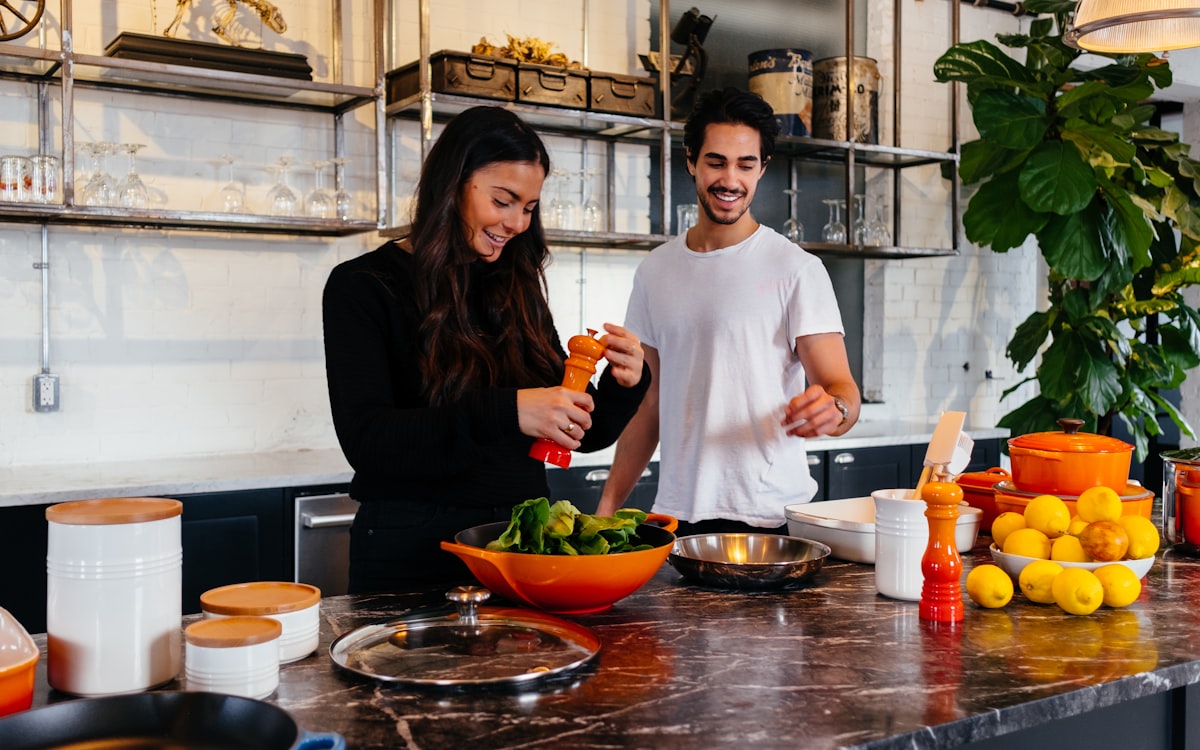
Awareness without cooking is incomplete. Working with seasonal, local or carefully sourced ingredients teaches things about food that no amount of reading can replace. The hand learns alongside the mind: how a glut of one vegetable can be stretched across a week, how a cheaper cut rewards patience, how little needs to be thrown away when you plan around what you already have.
Part of that skill is reading dates sensibly. In the United States, beyond infant formula, most date labels are not required by federal law and are not safety indicators. A “best if used by” date speaks to quality, not safety, and food showing no signs of spoilage is generally fine past it. Learning to trust your senses over the printed date is a small piece of literacy that quietly reduces the amount of edible food a household discards.
What that discarded food does after it leaves the kitchen is worth understanding too, because it turns a private habit into part of a larger picture. In the United States, food waste makes up about 24 percent of everything sent to landfill, and once buried it becomes a major source of methane: landfilled food waste is responsible for around 58 percent of the fugitive methane escaping from municipal landfills. The gas is released as the food rots without oxygen. Using up what you buy, then composting the genuine scraps rather than binning them, keeps that material out of the part of the system where it does the most harm.
Track your habits, not your knowledge
What food awareness produces is changed behaviour, not memorised facts. Tracking whether your habits have actually shifted, what you buy, what you cook, what you throw away, is more useful than tracking how much you know. The habits are the point; the reading and the visits are only the means.
A simple test is to look in your own bin. A household that briefly notes what it throws away for a week usually finds the same few culprits appearing again and again: the salad that wilted, the bread that went stale, the leftovers nobody wanted. Naming those patterns is more useful than any general resolution to waste less, because it points at a specific change: buy less of one thing, freeze another, cook a smaller pot. Progress you can see in the bin is progress you can trust.
Tolerate slow progress
Awareness builds in small increments. A year of attention shifts a household perceptibly. Three years shifts it meaningfully. Ten years transforms it. There is no shortcut that delivers the same result, and patience is the longest-running ingredient in the whole process.
Be honest about what you do not know
The most aware shoppers are often the ones most comfortable saying “I do not know enough about this category yet”. Confidence in food matters is risky when it outpaces actual knowledge, because it closes off the questions that keep you learning. A little humility keeps the process alive for years rather than months.
Resist the doom loop
Food awareness content often runs on alarm, and alarm is exhausting; it rarely produces durable change. It helps to hold the genuine scale of a problem without being paralysed by it. Household food waste is a fair example: households are responsible for around 60 percent of all food wasted worldwide, about 631 million tonnes in a single year, and roughly a billion meals are thrown away every day. That is a serious figure, but it is also an ordinary, fixable one, decided in kitchens, by planning and by using what is bought. Lean towards sources that turn a number like that into a practical next step, not the ones that leave you anxious and stuck.
Bringing the figure down to the level of a single person makes it easier to act on. The same report puts household waste at about 79 kilograms per person each year, a steady loss that most people never see totted up. Framed that way, the problem stops being a distant global statistic and becomes a handful of concrete decisions: a shorter list, a stricter eye on the fridge, one extra meal cooked from what is already in. The scale is real, but so is the fact that most of it is settled at home.
The quiet long-term reward
A decade of patient attention builds a household that eats genuinely well, wastes little, supports producers it actually knows, and contributes to broader change without any performance. Food stops being a source of guilt or confusion and becomes part of the household’s identity, something no single shopping spree or documentary binge could ever create. That is the reward, and it only arrives for those willing to build it slowly.
Frequently Asked Questions
Where do I start if I know nothing yet?
With one category and one good long-form source. Coffee, chocolate or seafood are well-served by published investigations. Pick one and spend a year on it.
How do I avoid information overload?
Limit your sources. One or two trusted publications, occasional books, periodic deep-dive documentaries. Avoid the constant trickle of social media food content, which usually creates anxiety without depth.
Is academic food research worth reading?
Selectively. Meta-analyses and review papers are accessible and informative. Individual studies often contradict each other and are easier to misinterpret.
How do I know if a source is credible?
Look at the journalist or author's track record, the publication's editorial standards, the sources cited and the willingness to engage with complexity. Credible sources rarely sound certain.
Can I get food awareness without specialist knowledge?
Yes. Most useful food awareness is built from ordinary attention, occasional reading and direct relationships with producers. Specialist knowledge accelerates the process but is not required.