Leftovers are not a punishment. They turn into one only when a household eats exactly the same meal a second time on a tired Wednesday. The move that separates a calm kitchen from a frustrated one is reshaping: last night becomes tonight in a different shape, with almost no extra effort. It matters more than it looks, too. Households are the largest single source of food waste, responsible for around 60 percent of the global total, roughly 631 million tonnes in 2022, which works out at something close to a billion meals thrown away every day. Averaged across the world’s population, that is about 79 kilograms of food per person every year, most of it bought, cooked and then quietly abandoned. Eating what you already cooked, in a form you actually want, is one of the most direct ways to push back against that.
The principle behind every reshape is the same. The slow part of cooking is the seasoning and the initial cook, not the final assembly. Once a joint is roasted or a pot of sauce is simmered, the flavour is banked, and reshaping simply spends it a second time in a different format, so the second meal reads as new even though the work behind it is mostly done. What follows are six reliable reshapes.
Reshape One: Sauce Becomes Soup
Any thick stew, curry or tomato-based dish can be loosened with stock or water and carried into the next evening as a soup. Add a handful of greens, warm the pot through, and serve with a piece of toast. The original dish more or less disappears into a new format, and the seasoning work is already done for you, which is why a reshaped soup often tastes deeper than one started from scratch.
The knack is in the loosening. Add liquid a little at a time, stirring as you go, so you can stop at the texture you want rather than something watery. A chickpea curry loosened with stock and finished with wilted spinach is a genuinely different meal from the curry it started as. If it tastes flat, it almost always needs salt or acid: a splash of vinegar lifts a diluted dish faster than more simmering will.
Reshape Two: Cooked Vegetables Become a Frittata
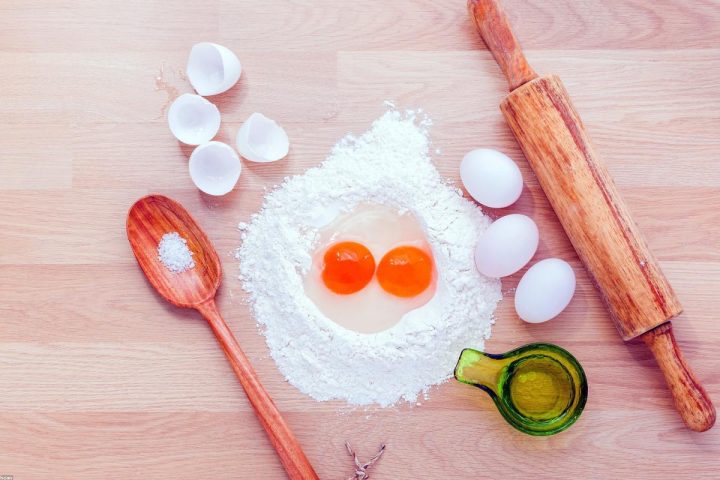
This is the most forgiving reshape ever invented. Take whatever cooked vegetables you have, chop them roughly, and fold them through six beaten eggs with salt and pepper. Last night’s roast carrots, some leftover spinach, half a cooked onion: a low oven for around twenty minutes pulls all of it into one new dinner. Nothing needs to match, because the eggs hold the whole thing together. A frittata is also the reshape that most reliably convinces people who claim not to like leftovers, since it genuinely looks and eats like a fresh meal.
For the best texture, start it on the hob, then finish it in a low oven so the middle cooks gently rather than toughening. Drain anything watery, such as cooked spinach or roasted courgette, so the eggs are not fighting a puddle. Almost any cooked vegetable belongs here:
- Roast roots: carrots, parsnips or squash, chopped small so they warm through.
- Leftover greens: spinach, kale or chard, squeezed dry first.
- Cooked potato, cubed, which turns a light frittata into a filling one.
- Soft alliums: roasted onion, leek, or the base of last night’s sofrito.
Reshape Three: Rice Becomes Fried Rice
Cooked rice is genuinely better the day after, because a night in the fridge firms up the grains and stops them clumping in the pan. Get a pan hot, add oil, then finely chopped vegetables you have on hand, a couple of eggs and the cold rice. Finish with soy or fish sauce. Ten minutes, a complete dinner, and no resemblance at all to last night’s plain rice. One habit worth keeping with rice specifically: cool it quickly after cooking and refrigerate it promptly rather than leaving it standing on the side.
A pan that is not hot enough steams the rice instead of frying it, so let it get properly hot and do not crowd it. Push the rice aside, scramble the eggs in the cleared space, then fold everything together so the egg coats the grains. Reheat until it is piping hot the whole way through, and use chilled rice soon rather than letting it linger.
Reshape Four: Pasta Becomes Baked Pasta
Leftover cooked pasta with any sauce turns into a baked dish with a little extra liquid, a layer of cheese over the top and a spell in a hot oven until it bubbles. Even a lone portion of leftover sauce can be stretched: add a small handful of dried pasta, some milk or stock, and bake it into something that feels made on purpose rather than salvaged.
The one trick worth knowing is that pasta keeps drinking liquid as it bakes, so loosen it with milk or stock before it goes in, more than looks necessary, because most will be absorbed by the time it comes out. Breadcrumbs over the cheese add crunch if you have stale bread to use up.
Reshape Five: Roast Meat Becomes a Salad or a Sandwich
Cold roast chicken, beef or pork is genuinely a different food from the hot version. Sliced thin into a salad with a sharp vinaigrette, or pressed into a sandwich with mustard and pickle, it tastes nothing like the dinner it came from. Cold meat also asks for no cooking at all, so this is the reshape to reach for on the evenings when you have nothing left to give the stove.
The salad and the sandwich are only the start. Shredded chicken folded through a hot broth with noodles and greens becomes a soup; warmed with spice and piled into wraps, it reads as something close to a taco night. The bones are worth keeping too: simmered with onion, carrot and any herb stalks, they make the stock that powers the soup reshape and the loosening of sauces.
Reshape Six: Stew Becomes a Pie
A small amount of yesterday’s stew, tipped into a dish and topped with mashed potato or a sheet of puff pastry, becomes a quick pie in about twenty minutes. It reads as a proper effort at the table while asking almost nothing of you, and it uses up an amount too small to serve on its own. The topping is where you vary it: mash makes a cottage or shepherd’s style pie, pastry makes a proper crust, and thinly sliced potato needs none at all. The portion that would otherwise have been scraped into the bin becomes the centre of a meal.
Keep a Few Reshape Ingredients Stocked
Most of these moves lean on the same short list: eggs, a piece of decent cheese, a tin or two of tomatoes, and some stock or a stock cube. Eggs bind the frittata and enrich the fried rice; cheese browns the top of a bake; tinned tomatoes give body to a thin sauce; stock loosens sauces into soups. With those in the cupboard and fridge, almost any leftover has somewhere to go. Buy them as a standing habit rather than a one-off, and reshaping stops being a scramble and becomes the default.
What Doesn’t Reshape Well
Some things resist a second life, and it is worth being honest about them. Fried foods, anything with a delicate crisp crust, and raw salads that already have dressing on them are best eaten the day they are made. Fried food in particular rarely survives reheating: if you must use it, treat it as a topping or a crouton rather than trying to bring back the crunch. A dressed salad wilts because the dressing keeps working on the leaves overnight, so if you expect leftovers, dress only what you will eat and keep the rest bare. Knowing these limits keeps you from forcing a sad second meal that puts the household off the idea.
Storing Leftovers So They Actually Get Eaten
The commonest reason a leftover goes to waste is dull rather than dramatic: it slides to the back of the fridge and is forgotten. A sticky note with the date and contents, stuck where you will see it, fixes most of that, and clear containers at eye level beat opaque tubs on a low shelf. Visibility matters more than any clever container.
When you are deciding whether something is still good, lean on your senses rather than the calendar. On packaged ingredients, those printed dates are mostly about quality rather than safety; apart from infant formula they are not even required by law and are not meant to be read as safety cut-offs. A “best if used by” date marks when a food is at its best, not the moment it becomes unsafe, and something with no signs of spoilage is generally fine past it. For your own cooking there is no printed date at all, so keep it a few days, look at it, smell it, and trust what you find.
Why the Small Effort Is Worth It
Beyond your own week, there is a wider reason to bother. Food that ends up in landfill breaks down without oxygen and gives off methane; landfilled food waste is responsible for roughly 58 percent of the fugitive methane escaping from municipal landfills. It is not a marginal part of the bin either: food makes up around 24 percent of everything sent to landfill in the United States, so reshaping rather than binning scales into something that matters well beyond a single kitchen.
Reshaping a leftover into a meal you are pleased to eat keeps it out of that stream entirely. Anything that genuinely cannot be eaten is better composted than binned: composting works through aerobic decomposition, where the microbes at work are not the methane-producing kind, so scraps that would release methane in a landfill give off little to none in a heap. The finished compost also improves soil structure and helps soil hold on to moisture and nutrients. The first and best move, though, is still simply to eat it, in a shape you look forward to.
The Time Cost, Honestly
Reshape meals usually take ten to fifteen minutes, less than waiting on a takeaway and far less than starting a dinner from nothing. They also flatten the week. You no longer need to plan five separate dinners; three cooked meals plus two reshapes is a calmer, cheaper and less wasteful schedule. The reshape is not a compromise you settle for on a bad day. Done well, it is often the best thing you eat all week, because the slow work of seasoning and cooking is already behind you, and all that is left is the part that tastes good.
Frequently Asked Questions
How long are leftovers safe in the fridge?
About three days for most cooked food. Rice and seafood are at the tighter end. If it smells off or looks wrong, trust your senses rather than the date.
Can I reshape one leftover into multiple new dishes?
Yes. A pot of cooked beans can become a soup, a salad, a stew topping and a quesadilla filling across a single week. Versatile leftovers are worth cooking deliberately for that purpose.
What if my family does not like leftovers?
Reshape them aggressively. A frittata feels like a new meal even when it is yesterday's vegetables. The trick is making the second meal genuinely look different.
How do I label leftovers so they actually get eaten?
A small sticky note with the date and the contents works perfectly. Visibility is the deciding factor, not technology.
Is reheating in the microwave ever a problem?
For most dishes, no. For specific items like fried foods or anything that needs to crisp, the oven or a hot pan is better. Reheating in the microwave is otherwise fast, low-energy and safe.