Sustainable seafood has a reputation for being one of the most confusing food categories, and it is deserved. Lists change from year to year, and stocks recover in one place while they collapse in another. The same species can be caught responsibly in one region and destructively in the next, and different organisations rank the same fish differently. For an everyday shopper, most practical decisions come down to a few rules. Get those right and you will make good choices far more often than not.
Rule one: look for a recognised certification
Two schemes cover most of what you will see on a label. The Marine Stewardship Council (MSC) certifies wild-caught seafood against a sustainability standard, while the Aquaculture Stewardship Council (ASC) does the same for farmed fish and shellfish. Neither is perfect, and both attract fair criticism, but they are well established and independently audited. When you are in front of a chilled cabinet with no time to research a fishery, an MSC or ASC mark handles most of the question for you. Treat it as a strong shortcut rather than an absolute guarantee, and you will rarely go far wrong.
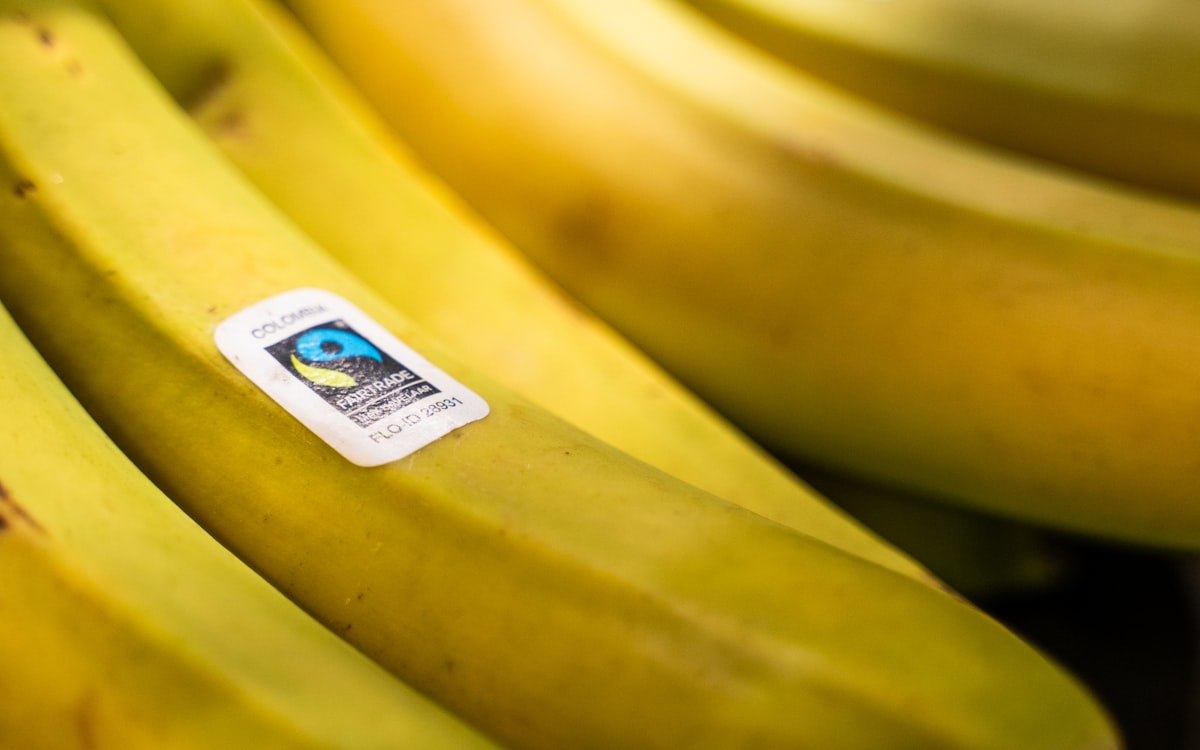
A certification also carries a chain of custody: the fish bearing the mark is tracked from water to packet, so it is genuinely the one that was assessed. Loose terms like “responsibly sourced” carry no such backing, so without a recognised logo they are claims to check rather than facts to rely on.
Where an “organic” label fits
You will sometimes see farmed seafood, salmon in particular, carrying an organic seal. This is a separate scheme answering a different question: how the fish was produced, not the health of a wild stock. The USDA organic seal is federally regulated by the National Organic Program, certified operations are inspected every year, and organic ground must have had no prohibited substances for at least three years, with genetic engineering, irradiation and sewage sludge banned. That speaks to the inputs behind a product, not its impact on the wider sea, so read it alongside an ASC mark, not as a replacement.
Rule two: eat a wider range of species
The fish under the most pressure are usually the famous ones. Cod, salmon and tuna dominate menus and shopping baskets, so demand concentrates on a handful of names. Spreading that demand across less fashionable species eases the strain. Mackerel, sardines, herring, pollock, hake and mussels are all widely available and, in many cases, caught or farmed closer to home. Variety on the plate becomes variety in the sea, and it tends to make cooking more interesting, since each of these has its own character rather than the mild, interchangeable flavour of the usual suspects.
The block for most people is not willingness but that they know how to cook only two or three fish, worth working around one recipe at a time. Hake behaves much like cod, so anywhere a recipe wants a firm white fillet it slots in unchanged, and pollock does the same in a fish pie or fish cakes for less. Mackerel and herring are oily and take assertive partners: lemon, mustard, or a sharp gooseberry sauce cuts the richness. Sardines want little more than heat, salt and acid. Once three or four become familiar, the underused half of the counter stops looking like a gamble.
Rule three: smaller and lower down is usually better
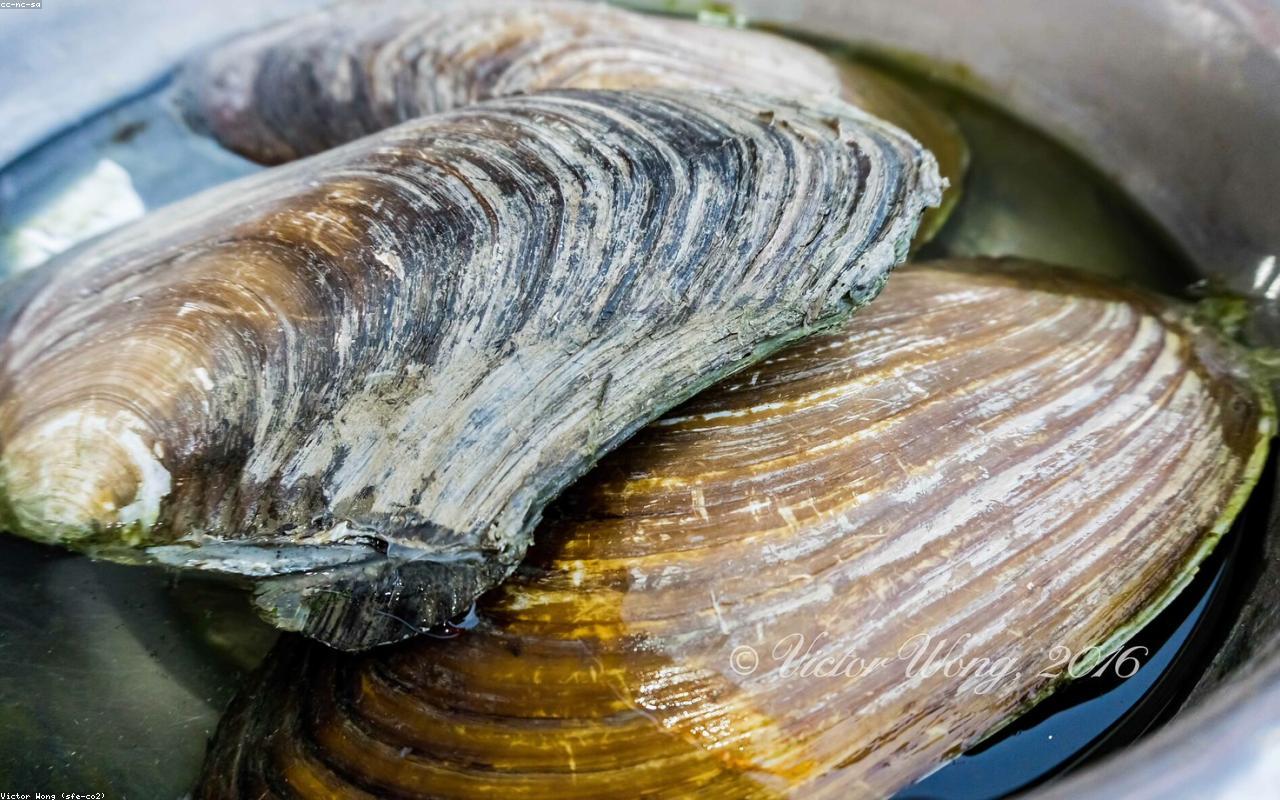
Small fish near the bottom of the food chain, such as sardines, anchovies and herring, along with shellfish like mussels, are generally more abundant, quicker to reproduce and less costly to the wider environment than large predators. A fast-breeding fish can absorb pressure that a slow-growing top predator cannot. They are usually cheaper too, and many people find them more flavourful per portion. If you remember nothing else, smaller and lower will steer you toward the more resilient options most of the time.
The logic is worth understanding rather than memorising, because it explains the exceptions too. Large predators mature slowly and produce fewer young over a long life, so when too many are removed the stock takes years or decades to rebuild. Small forage species mature fast and spawn in huge numbers, so a heavily fished stock can recover within a few seasons if pressure eases. That is why moving down the food chain tends to be forgiving, and why it can still flip when a small fishery is badly managed, which is where the certification marks earn their keep.
Farmed or wild? It genuinely depends
There is no clean rule that farmed is worse or wild is better; both can be sustainable or damaging depending on the species and the method. Farmed mussels and oysters are among the most sustainable proteins you can buy: they filter-feed, so they need no added feed, and in many places they improve the surrounding water. Farmed salmon has improved but still carries variable impact, partly because it depends on feed inputs. Wild fishing ranges from well-managed to severely destructive, depending on the gear and the fishery. The method matters as much as the label on the packet.
Feed and gear are the hinges that decide a lot of this. Shellfish farming needs no feed at all, which is why mussels and oysters land near the top of almost every ranking, while carnivorous farmed fish depend on protein-rich pellets whose footprint varies with what goes into them. On the wild side, pots and hook-and-line touch only the target species and do far less damage than heavy gear dragged across the seabed, which hauls up whatever else is in the way. Two packets of the same species can sit worlds apart on this alone.
Why “always” and “never” lists mislead
A guide that tells you to “never eat” a particular fish is almost always oversimplifying. The same species, caught in one region with one type of gear, may be a sound choice, while the same fish from another region or method may not be. This is why the certification marks and the counter questions matter more than a memorised blacklist: they point you at how and where a fish came from, which is what determines its footprint.
The tinned and frozen advantage
Some of the most sustainable seafood sits quietly in the ambient and freezer aisles. Tinned mackerel, sardines and anchovies, and frozen mussels or pollock, are often responsibly sourced, inexpensive and good to eat. They also solve a problem fresh fish creates: fresh seafood spoils quickly, and a fillet forgotten at the back of the fridge becomes waste. Households are responsible for around 60 percent of all food wasted globally, so choosing fish that keeps for months rather than days is quietly part of eating it more sustainably.
The scale of that waste is easy to underestimate. The same report puts household waste at about 79 kilograms of food per person each year, and the global total at roughly 1 billion meals thrown away every day. Seafood is especially vulnerable, because a fresh fillet gives you only a day or two of grace before it turns. A tin or a bag of frozen fillets sidesteps that: you cook the exact amount you need and leave the rest until next time. For a household that eats fish now and then rather than daily, keeping most of it tinned or frozen is often the single change that wastes the least.
Long shelf life also means you can stop treating the printed date as a hard deadline. On tinned and frozen food, a “best if used by” date signals quality rather than safety. The US Food Safety and Inspection Service notes that most date labels are not required by law and are not safety indicators, and food with no signs of spoilage is generally fine past them, so a tin of sardines a little beyond its date is almost certainly still good. The one thing to watch is salt, which can be high: the WHO suggests keeping salt under 5 g a day, so draining the brine helps.
Building the plate around the fish
Sustainability is partly a question of proportion, and the easiest lever is what sits next to the fish. Treating seafood as one part of a mostly plant-heavy plate stretches a modest portion across a full meal. The WHO advice to eat at least 400 g of fruit and vegetables a day, roughly five portions, gives a target to build around. A tin of mackerel becomes a proper lunch folded through a bowl of leaves and beans, and a single fillet feeds two atop roasted vegetables and grains. The oily fish and shellfish suit this well: their flavour carries a dish in which the fish is a component, not the whole event.
What to ask at the fish counter
Two questions cover most of what you need: “Where was this caught or farmed?” and “How was it caught or farmed?” A good fishmonger will answer or find out, and the replies tell you the two things that matter most, the source and the method. A vague or evasive answer is information in itself, and a fair sign to choose something else. A friendly question at the counter is normal and usually welcomed, so there is no need to interrogate anyone.
It helps to know what a good answer sounds like. A specific fishery or region, named gear such as pots or lines, and a fishmonger who offers the detail unprompted are all reassuring signs. A shrug tells you the shop is not tracking what decides sustainability, a reason to look for a counter that does. The point is to reward the sellers who can answer, since a counter that fields the question well is usually worth returning to.
How often, and where to start
For most households, seafood works well as a regular part of the week rather than a daily staple, and the case is strongest when what you eat is varied. For a gentle way in, pick a species you have not cooked before: sardines on hot buttered toast, mussels steamed with white wine and garlic, or frozen pollock turned into fish cakes. A simple way to hold the habit is to rotate: tins for quick lunches, frozen fillets for pies and cakes, and something fresh only when you will cook it that day. Over a month that covers several species and keeps waste low.
The honest limit
Sustainable seafood is one of the genuinely complex corners of ethical eating, and even careful shoppers get it wrong sometimes. Working from the three rules, leaning on the certifications, and asking a question or two at the counter will put you ahead on most decisions. Perfection is not the standard, and treating it as one only makes a manageable choice feel impossible.
Frequently Asked Questions
Is salmon ever sustainable?
Some farmed salmon (especially ASC-certified) and some wild Pacific salmon are sustainable. Some are not. Look at the certification or the country of origin to tell the difference.
Are tinned tuna and tinned sardines equally sustainable?
Sardines tend to be more sustainable, because they reproduce faster and are lower in the food chain. Tinned tuna varies widely based on species and fishing method.
Why are mussels so sustainable?
They filter feed (no extra feed required) and they actually improve water quality in many farming areas. They are one of the most sustainable proteins on the market.
Are fish from supermarkets reliably labelled?
Major retailers now label most fish with origin and certification, though the detail varies. Independent fishmongers often provide more specific information on request.
What is the most overrated sustainable seafood choice?
Generic "wild caught" labels without further detail. Wild does not automatically mean sustainable. Look for the specific certification or named method.