A food label is doing two jobs at once. It is a regulatory document that has to be honest about ingredients and nutrition, and it is a marketing surface designed to convince you the product belongs in your trolley. Most of what you notice first, the big front-of-pack wording, the illustrations, the colour palette, is the second job, not the first.
Once you understand that split, the whole aisle becomes easier to read. You stop being persuaded by the design and start treating the back of the pack as the actual source of truth. What follows is the practical version of label literacy: not exhaustive, not academic, just the parts that change what ends up in the trolley.
The front of the pack is a billboard
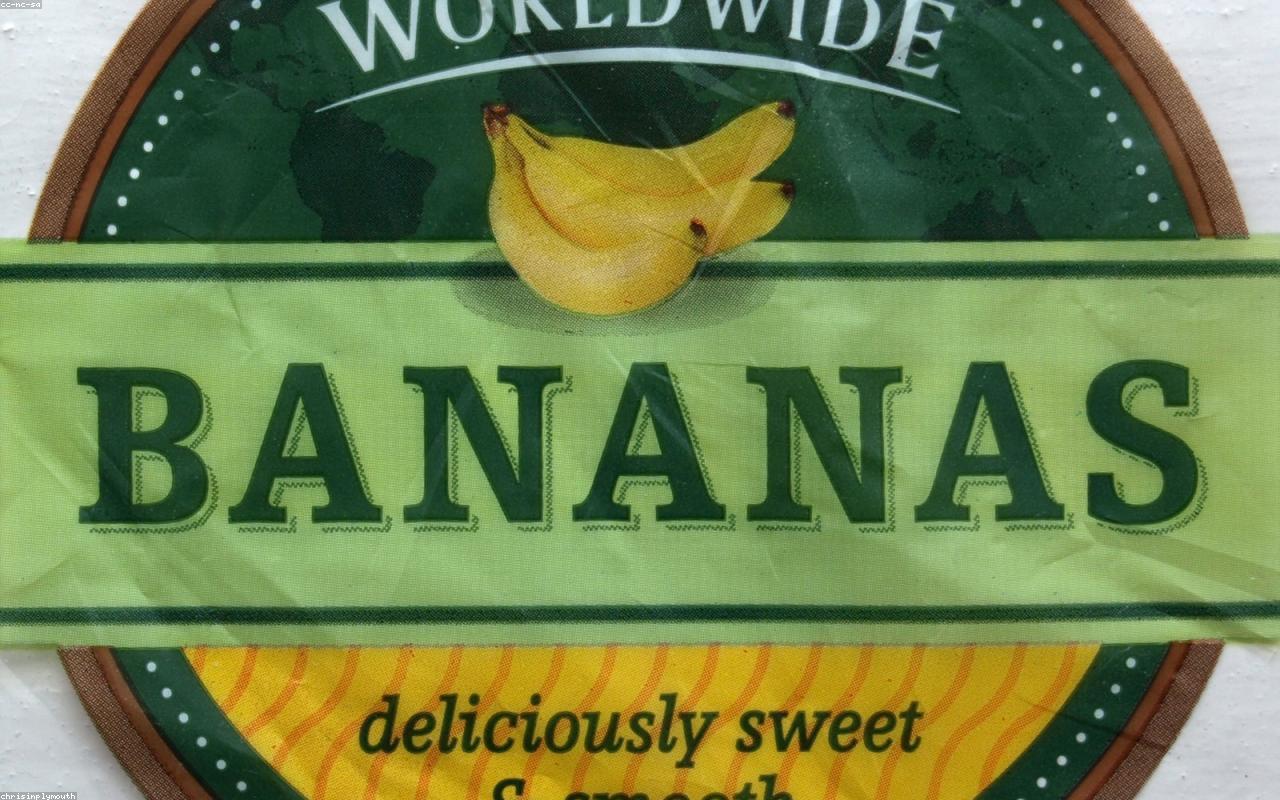
Treat the front of the pack as advertising. The words in large serif fonts, the soft watercolour illustrations, the leaves wrapped around the logo, very little of it is regulated in the way most shoppers assume. “Natural” has no consistent legal meaning across food categories. “Farm fresh” is decorative. “Crafted” is a marketing word with no definition behind it.
This is not a scandal; it is simply how packaging works. The moment you treat the front as branding, your attention drifts to where the useful information actually sits.
A quick test helps here. For any front-of-pack phrase, ask whether it names a specific, checkable thing or simply gestures at a mood. “Made with wholegrain” points to something you can confirm on the back. “Wholesome goodness” points nowhere. “Contains real fruit” is checkable, but says nothing about how much, so it rewards a glance at the ingredient list rather than trust. The wording that survives this test is worth reading; the rest is scenery.
The ingredient list is the real story
The ingredient list is the single most useful piece of information on a food product, and the most overlooked. Two rules carry most of the value.
First, ingredients are listed in descending order by weight. If the first three are not what the front of the pack promised, that is your answer. A “raspberry” yogurt where raspberries appear ninth is a flavoured product with branding, not a fruit product.
Second, a shorter list of recognisable ingredients tends to sit closer to food you would cook yourself. This is a trend rather than a rule. A pasta sauce with five ingredients is usually nearer to what you would make at home than one with twenty-three, though there are sensible exceptions, some longer lists simply reflect fortification or several wholefoods combined. The signal to watch is unfamiliar ingredients, not length on its own.
Try it with two jars of tomato pasta sauce. A plain one might read: tomatoes, onion, olive oil, garlic, basil, salt. A cheaper rival might open with tomato puree (reconstituted from concentrate), then sugar, then modified maize starch, before the flavourings arrive. Neither is dangerous, but the order tells you which jar is mostly tomato and which is mostly water, thickener and sugar dressed to look like the first.
Watch for the same ingredient in several costumes
One of the oldest tricks on a label is splitting a single ingredient into several similar versions so none of them appears near the top of the list. Sugar is the most familiar example: cane sugar, glucose syrup, dextrose, invert sugar, fruit juice concentrate, maltose. Each entry is small, but together they add up.
You do not need to memorise the variants. You just need to notice when the same kind of ingredient turns up in three different guises. That is usually a clue worth following.
The tell for hidden sugar is a family of words ending in “ose” (glucose, fructose, dextrose, maltose, sucrose) alongside anything described as a syrup, a nectar or a juice concentrate. Salt hides the same way, showing up as sodium across several compounds. If you spot the pattern, mentally group the entries together and reread the list as though they were a single item. The ingredient that looked like it sat comfortably down the list may really belong near the top.
Date labels say less about safety than you would think
Date labels cause more confusion, and more waste, than almost anything else on the pack, so it helps to know what they actually mean. According to the USDA’s guidance on food product dating, a phrase like “best if used by” is about quality, not safety, food showing no signs of spoilage is generally fine to eat past that date. With the single exception of infant formula, these dates are not required by federal law and are not designed to be safety indicators at all.
The practical habit is to trust your senses on shelf-stable and hardy items, look, smell, use judgement, rather than binning food the moment a printed date passes. Keep dates as a rough guide to quality, stay cautious with genuinely perishable foods, but do not treat “best before” as a hard cut-off.
The stakes are larger than one household budget. The UN Environment Programme’s Food Waste Index Report estimates that households throw away about 79 kilograms of food per person each year, and that homes account for 60 per cent of all the food wasted worldwide, roughly 631 million tonnes in 2022. Put another way, something close to 1 billion meals are binned every single day. A large share of that is edible food discarded on the strength of a misread date. Separating a quality date from a safety one is one of the few label skills that pays off in money and in waste at once.
A short routine helps. For firm produce, hard cheese, dried goods, tinned items and most condiments, treat the date as advisory and let your eyes and nose decide. For soft cheeses, cooked meats, prepared salads and anything chilled, stay strict, because these carry genuine safety risk. The distinction between “use by” (a safety instruction) and “best before” (a quality one) is the single most useful thing to learn from the whole date debate.
Country of origin is quietly one of the most useful lines
Sustainability claims on the front of the pack are loud. Country of origin, printed in small type on the back, is quieter and often more informative. It tells you something concrete about the supply chain rather than a feeling.
You do not need to refuse every imported product; that is unrealistic and often unfair to small producers abroad. It matters more for some foods than others, too, for fresh produce out of season, origin can make a real difference, while for shelf-stable staples the supply-chain practices matter more than the distance travelled. Knowing where your everyday staples come from simply lets you favour shorter, simpler routes when they are available.
Read the wording precisely, because it is chosen with care. “Produce of” a country usually means the food was grown or raised there. “Packed in” or “made in” can mean the raw ingredients travelled from somewhere else and only the final step happened locally. A jar labelled as packed in one country may hold fruit grown on another continent. It rewards a shopper who notices the difference between where something was grown and where it was merely boxed.
The green claims that actually mean something
Most environmental claims on packaging are not lies, but they are built to evoke a feeling rather than deliver verified information. A handful of marks are different, because they are backed by independent, third-party certification.
- Fairtrade. Verified standards for producer pay and conditions, mostly for tropical commodities.
- MSC and ASC. Independent seafood certifications, imperfect, but meaningfully better than none.
- Rainforest Alliance. A genuine audit standard for tropical agriculture supply chains.
- Organic certification. Strict, audited and regionally regulated. The standards are not identical worldwide, but the label has real teeth.
The difference between these and empty phrasing comes down to one question: is there a named body that audits the claim and could withdraw the mark? A certified logo carries a scheme’s name, and often a licence number you could look up. An “eco-friendly” flash carries only the brand’s own word for it.
Unqualified phrases like “eco-friendly”, “natural” or “responsibly sourced”, with no certifying body named, are marketing language. They are not necessarily false, just not verifiable. Regulators take much the same view: the Federal Trade Commission’s Green Guides treat an unqualified “biodegradable” claim as deceptive when the item is likely to end up in a landfill, where it will not break down within a year, and expect marketers to be able to substantiate claims such as “recyclable” or “compostable”. This scrutiny is worth applying, because containers and packaging are the single largest category of everyday waste, about 28 per cent of what is generated, so a “recyclable” logo you can actually trust is doing real work.
One caveat worth carrying to the bin: “recyclable” describes what is technically possible, not what your local council actually collects. A pot marked recyclable may still go to landfill if the material is not accepted where you live. The honest check is the list on your own kerbside collection, not the logo on the pack.
Nutrition panels: read the top few lines
You do not need to be a nutritionist to use the nutrition panel. A few numbers cover most of what you want when comparing two similar products: energy, total sugars, salt and serving size. The serving size is the catch, because brands sometimes shrink it to make the other figures look smaller. Always compare the per-100g or per-100ml columns, never per-serving.
A worked comparison shows why. Two boxes of cereal can quote very different figures per serving, until you notice that one defines its serving as markedly smaller than the other. Line them up in the per-100g column instead and the real gap appears, sometimes in the opposite direction to what the front of the box suggested. The same trick appears on drinks, where a bottle plainly meant to be finished in one sitting is quietly described as more than one serving. The per-100 column leaves you comparing like with like.
One aisle, once a week
Reading every label on every shop is not sustainable, and trying will only put you off. The realistic habit is smaller: pick one aisle each time, slow down for an extra minute, and compare two or three products properly. Over a few months you build genuine literacy on most of the staples in your trolley without ever feeling overwhelmed.
Marketing is loud because it has to be. The truth on a food label is quiet, sits on the back, and rewards the shopper who learns where to look. Once you stop being persuaded by the front of the pack, the whole shop gets cheaper, simpler and quietly more sustainable, and less of what you buy ends up in the bin.
Frequently Asked Questions
Are organic labels actually meaningful?
Yes. Certified organic labels are regionally regulated and audited, and the standards include genuine restrictions on pesticide use, soil management, and additives. They are not perfect, and "organic" does not automatically mean local or low-emission, but the certification itself has real teeth.
Is "natural" a regulated term?
Almost never, and definitely not consistently. Across most food categories, "natural" has no single legal definition. Treat it as a branding word, not as a guarantee of anything specific.
How do I tell if a green claim is real?
Look for a named, independent certification body next to the claim. If the package says "eco-friendly" but no third party is named, treat it as marketing language. If it says "Fairtrade certified by FLOCERT" or "MSC certified", that claim has a verification trail behind it.
Should I avoid products with long ingredient lists?
Not automatically. Some perfectly fine foods have longer lists because they are fortified or made with multiple wholefoods. The signal you are looking for is unrecognisable ingredients, not the length itself.
Does country of origin actually matter for sustainability?
It matters more for some foods than others. For fresh produce, especially out of season, origin can have a noticeable footprint impact. For shelf-stable staples, the origin matters less and the supply chain practices matter more.