Open most kitchen cupboards and you will find them somewhere near the back: a bag of red lentils, a tin of chickpeas, a forgotten sack of dried kidney beans. Pulses are among the least glamorous things we cook with, and among the most quietly useful. They keep for months, cost little, and happen to sit at a rare meeting point where good nutrition and low environmental cost line up. This is not a recipe piece. It is an attempt to explain what pulses actually are, and why the case for eating more of them holds up whether you care about your health, your shopping bill, or the land they are grown on.
What actually counts as a pulse
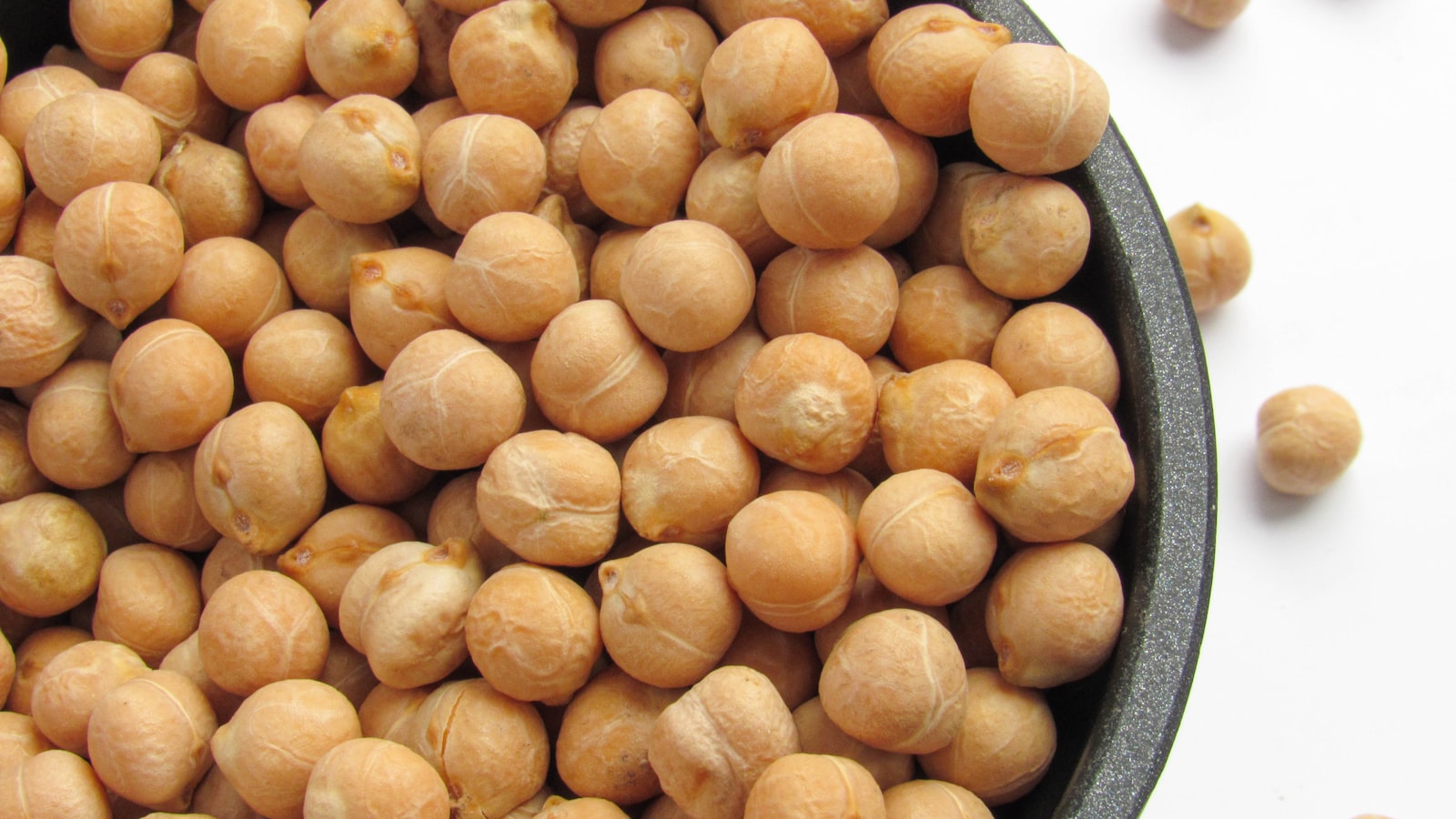
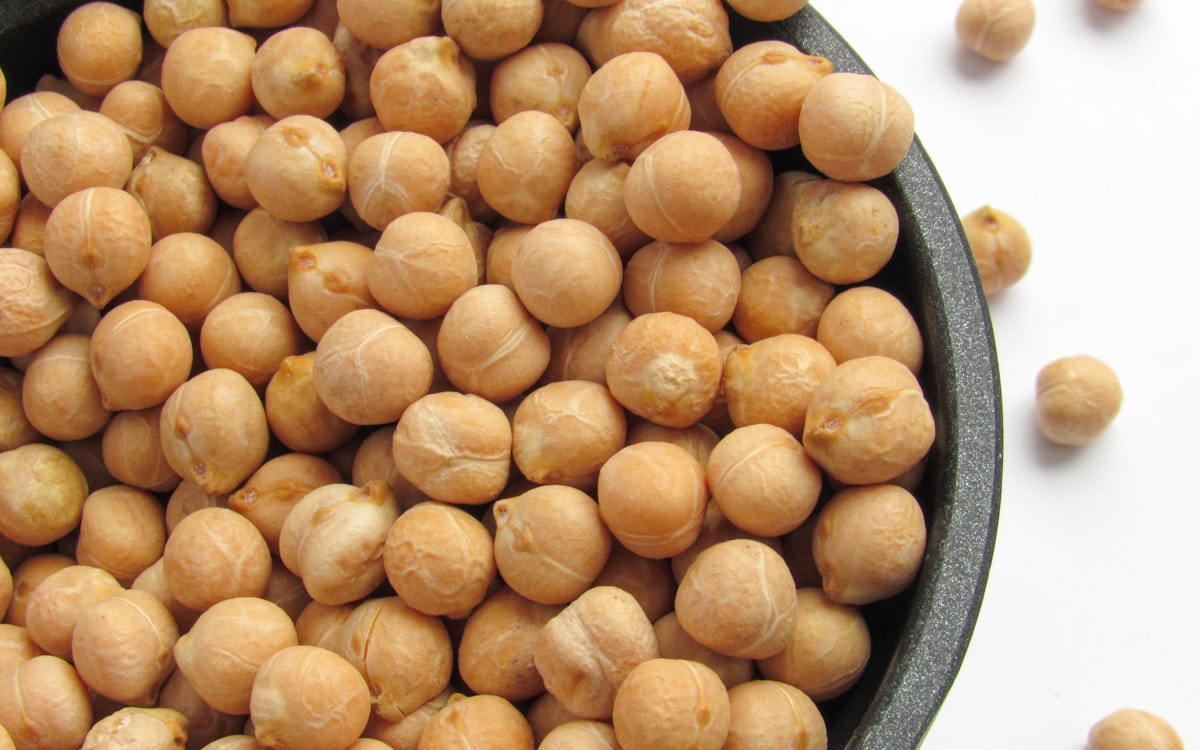
The word gets used loosely, so it is worth pinning down. According to the UN’s Food and Agriculture Organization, pulses are the edible seeds of legume plants: lentils, chickpeas and the many kinds of dried beans. Dried peas belong in the group too. The distinction that trips people up is between a pulse and the wider family of legumes. Fresh green peas or runner beans, eaten straight from the pod, are legumes but not pulses. A pulse is the mature, dried seed: harvested once the plant has finished, then stored dry. That is why they last so long in the cupboard and why they have fed people through lean seasons for as long as they have.
This matters beyond pedantry. The dried, shelf-stable nature of pulses is bound up with almost everything that makes them worth writing about. It is the reason they travel and store without refrigeration, the reason they are cheap, and part of the reason their environmental footprint is modest. A food that keeps for a year at room temperature asks very little of the systems around it. It also explains the sheer variety on offer: red, green and brown lentils, chickpeas, split peas, and beans from black to butter to borlotti are all the same basic thing in different forms, which means once you are comfortable cooking one, the rest follow easily.
The water story
Water is where the sustainability case for pulses starts to look genuinely distinctive. Many of the protein-rich foods we lean on are thirsty to produce. Pulses are not. The FAO notes that they have a low water footprint and are drought-tolerant, which is a useful pair of traits to hold together. The low footprint means that, for the protein you get out, comparatively little water goes in. The drought tolerance means the plants can carry a crop through dry spells that would ruin thirstier alternatives.
In a world where fresh water is under growing strain, that combination is not a minor accounting detail. It makes pulses a sensible crop for farmers working marginal or unpredictable land, and it makes them a low-cost choice, in water terms, for anyone trying to eat more protein without leaning entirely on animal sources. You do not have to overhaul your diet to feel the effect. Consider a simple habit: pick one meal a week that would normally centre on meat, and build it around pulses instead. A shepherd’s pie made partly with lentils, a curry thickened with chickpeas, or a chilli where beans do half the work of the mince all quietly lower the water demand behind what is on your plate, without asking you to give anything up wholesale.
How pulses feed the soil
The second environmental argument is one you cannot see on the plate at all, because it happens underground while the crop is still growing. Legumes, pulses among them, form a partnership with bacteria in their roots that pulls nitrogen out of the air and fixes it into the soil in a form plants can use. The FAO points out that pulses fix nitrogen in the soil, which can reduce the need for synthetic fertiliser.
Synthetic nitrogen fertiliser is energy-hungry to manufacture and, applied heavily, contributes to water pollution and greenhouse gas emissions. A crop that brings some of its own nitrogen, and leaves the ground richer for whatever is planted next, breaks that dependence a little. This is why pulses have long earned their place in crop rotations. A field of beans or lentils is not only producing food; it is doing some of the soil-conditioning that the following crop would otherwise need bought-in fertiliser to get. A farmer might follow a pulse crop with a cereal that draws on the nitrogen left behind, so the benefit carries forward into the next season rather than ending at harvest. Eating pulses, then, supports a style of farming that is gentler on the ground rather than one that has to keep topping it up from a bag.
What they do for you
None of this would matter much if pulses were nutritionally thin. They are the opposite. The FAO describes them as high in protein and fibre, low in fat, and containing no cholesterol. That profile does a lot of quiet work in a meal. The protein makes them genuinely filling and lets them stand in for meat rather than merely garnish it. The fibre, which most of us eat too little of, supports digestion and helps a meal keep you satisfied for longer. And because they carry little fat and no cholesterol, they add substance to a dish without the things people are often trying to cut back on.
Pulses also fit neatly into the wider shape of a healthy diet. The World Health Organization advises adults to eat at least 400 g, or five portions, of fruit and vegetables a day and to build meals around plants. Pulses sit alongside that as an affordable, plant-based source of protein and fibre, and a bowl built on beans and vegetables makes those five portions far easier to reach. There is a subtler benefit too. Because they are filling and satisfying, pulses can help displace the salty, sugary snacking that undermines an otherwise decent diet. The WHO suggests keeping salt under 5 g a day and free sugars below 10 percent of energy intake, ideally under 5 percent, and dried pulses that you cook yourself contribute neither. A pot of lentils simmered at home starts from a completely clean slate.
It is worth being honest about how this plays out over a day rather than a single meal. Protein and fibre both work on fullness, so a lunch built around a bean salad or a lentil soup tends to hold hunger at bay into the afternoon, which is often when the biscuit tin does its damage. None of this makes pulses a magic food. What it makes them is a dependable building block: cheap, plant-based, filling, and easy to slot into meals you already eat.
Where pulses fit in a week of meals
The gap between knowing pulses are good for you and actually eating more of them usually comes down to habit rather than skill, so it helps to have a few reliable moves. Red lentils are the gentlest starting point: they cook down into a soft, thick base with no soaking, so they slip into soups, dals and pasta sauces almost invisibly. Chickpeas are the all-rounder, good roasted until crisp for a snack, blitzed into a spread, or added whole to a stew or salad. Tinned beans are the fastest route to a meal on a busy evening, since they need only warming through.
A workable pattern is to let pulses take over part of a familiar dish rather than replacing it entirely. Brown or green lentils hold their shape and can carry half the weight of a mince in a bolognese or cottage pie, stretching the meat further and adding fibre at the same time. A tin of chickpeas turns a vegetable soup into something substantial enough to be dinner. If you would rather cook from dried, the method is undemanding: rinse the beans, soak the firmer ones ahead of time so they cook evenly, then simmer gently until tender. Batch-cooking a large pot and keeping the surplus in the fridge means the effort lands once but feeds you several times.
Making the most of a cupboard staple
The practical differences between how you buy pulses are worth knowing, because they change the health picture. Dried pulses, bought in a bag and cooked from scratch, are as plain as food gets: seed and water, with whatever seasoning you choose to add. Tinned pulses are far more convenient and nutritionally very similar, but some are packed in salted water. If you are watching the salt figures above, draining and rinsing a tin before use removes a good part of the added salt, and buying versions tinned in plain water avoids it altogether.
Storage is the other quiet advantage. Because dried pulses keep for many months in a sealed container somewhere cool and dark, a modest stock in the cupboard means a cheap, plant-based meal is always within reach without a shopping trip. That reliability is part of why they suit the way most households actually eat: not through grand resolutions, but through having the right easy option on hand when time is short. A tin of chickpeas turned into a quick stew, or red lentils thickening a soup, asks very little effort for what it gives back.
Taken together, the argument for pulses is unusually consistent. The same drought-tolerant, nitrogen-fixing crop that goes easy on water and soil also delivers protein and fibre with no cholesterol, at a price almost anyone can manage. Few foods let you do something genuinely good for your diet and for the land in the same unremarkable spoonful. The next time you spot that half-used bag of lentils at the back of the shelf, it is worth remembering how much it quietly has going for it.
Frequently Asked Questions
What is the difference between a pulse and a legume?
A legume is the whole plant family, while a pulse is specifically the mature, dried, edible seed of a legume, such as lentils, chickpeas and dried beans. Fresh green peas or runner beans eaten straight from the pod are legumes but not pulses, because they have not been dried. The drying is what gives pulses their long cupboard life and low storage demands.
Are tinned pulses as healthy as dried ones?
Nutritionally they are very similar, and tinned pulses are far more convenient because they are already cooked. The main difference is that some tins are packed in salted water, so draining and rinsing before use removes a good part of the added salt. Choosing versions tinned in plain water avoids it altogether, which helps if you are keeping salt under the 5 g a day the World Health Organization suggests.
Why are pulses considered good for the environment?
According to the Food and Agriculture Organization, pulses have a low water footprint and are drought-tolerant, so comparatively little water goes in for the protein you get out. They also fix nitrogen in the soil through a partnership with bacteria in their roots, which can reduce the need for synthetic fertiliser. That combination makes them a gentle crop for both water supplies and the land they grow on.
Can pulses really replace meat as a protein source?
Pulses are high in protein and fibre, low in fat and contain no cholesterol, which makes them filling enough to stand in for meat rather than just accompany it. A practical approach is to let them take over part of a familiar dish, such as replacing half the mince in a chilli or cottage pie with lentils or beans. This stretches a meal further and adds fibre without asking you to give up meat entirely.
How do pulses fit into a healthy diet?
The World Health Organization advises building meals around plants and eating at least 400 g, or five portions, of fruit and vegetables a day, and pulses sit alongside that as an affordable plant-based source of protein and fibre. Because they are filling, they can help crowd out the salty, sugary snacking that undermines an otherwise good diet. Cooked from dried at home, they add neither salt nor free sugars, so they start from a clean slate.