A tin of beans is a fine thing to have in the cupboard, but cooking pulses from dried gives you better texture, a gentler flavour and full control over how much salt goes in. It usually costs less too, and leaves behind far less packaging. Dried beans and lentils keep for a long time in a jar, and once you understand a few principles, how to soak, how to judge when they are done, and when to add salt and acid, the process is mostly unattended waiting. Here is a practical guide to getting it right, from the bag to the bowl.
What you are actually working with
Pulses are the edible seeds of legume plants, such as lentils, chickpeas and beans. The single most useful thing to grasp before you start is that they do not all behave the same way in the pot. A red lentil and a dried chickpea are cooked quite differently, and treating them as interchangeable is where most disappointment comes from. Small, thin-skinned pulses cook quickly and can go straight from the bag; large, dense beans want soaking and patience.
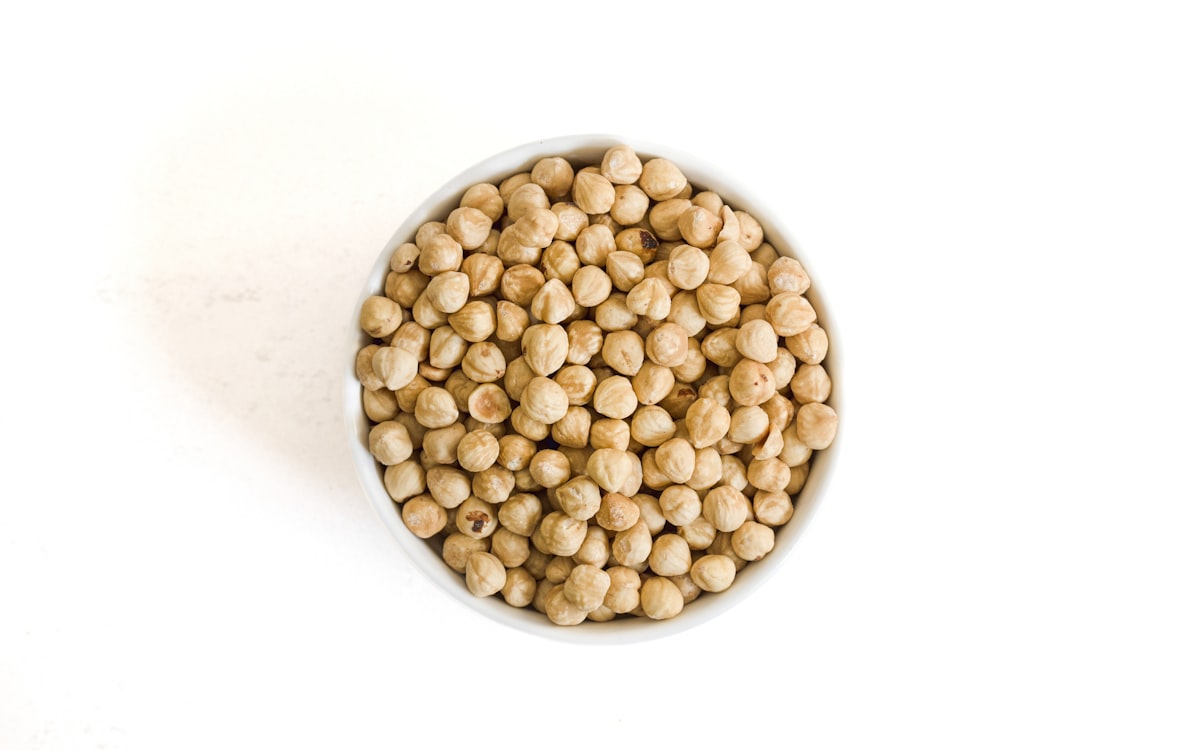
Age matters as much as type. A bean that has been stored for a long time will take noticeably longer to soften than one from a recent harvest, and no two bags tell you which you have. Buy from somewhere with a decent turnover if you can, keep your dried pulses in an airtight jar away from heat and light, and try to work through older stock rather than letting it drift to the back of the cupboard. None of this is fussy: it simply removes the most common reason a pot of beans stays stubbornly firm.
Sort and rinse first
Tip the dried pulses onto a tray or into a bowl and pick through them. Bags occasionally hide a small stone, a bit of grit or the odd shrivelled seed, and these are far easier to spot while everything is dry than later in a pan of cloudy water. Spreading them across a pale tray or board makes the stray stones and broken seeds far easier to see than heaping them in a bowl. Then rinse them in a sieve under cold running water until the water runs clear. It takes a moment and saves you biting down on something unpleasant.
To soak or not to soak
Larger beans, chickpeas, kidney beans, cannellini, butter beans, black beans, are worth soaking. Cover them generously with cold water, because they swell a great deal, and leave them overnight on the worktop, or in the fridge if the kitchen is warm. Soaking shortens the cooking, helps the beans cook evenly rather than blowing out on the surface while the middle stays hard, and rinses away some of the compounds that cause wind. Drain them, discard the soaking water, and cook in fresh water.
If you forget, there is a quicker route: cover the beans with plenty of water, bring them to the boil, then take the pan off the heat and let them sit, covered, until plumped up before draining and cooking as usual. This hot soak does much the same job as the long cold one in a fraction of the waiting. Either way, a soaked bean should look plump and its skin should be smooth rather than wrinkled; if you tear one open, the centre will have lightened in colour as water works its way in. Lentils and split peas are the exception to all of this: they are small enough to cook straight from dried, with no soaking at all.
A word on kidney beans
Red kidney beans deserve particular care. Raw or barely warmed, they contain a natural toxin that causes stomach upset, and gentle heat alone does not deal with it. They need a proper vigorous boil before you drop the heat to a simmer. For that reason, never cook dried kidney beans from raw in a slow cooker without boiling them hard first, as a slow cooker may never get hot enough on its own. Tinned kidney beans are already fully cooked and carry no such risk.
The gentle simmer
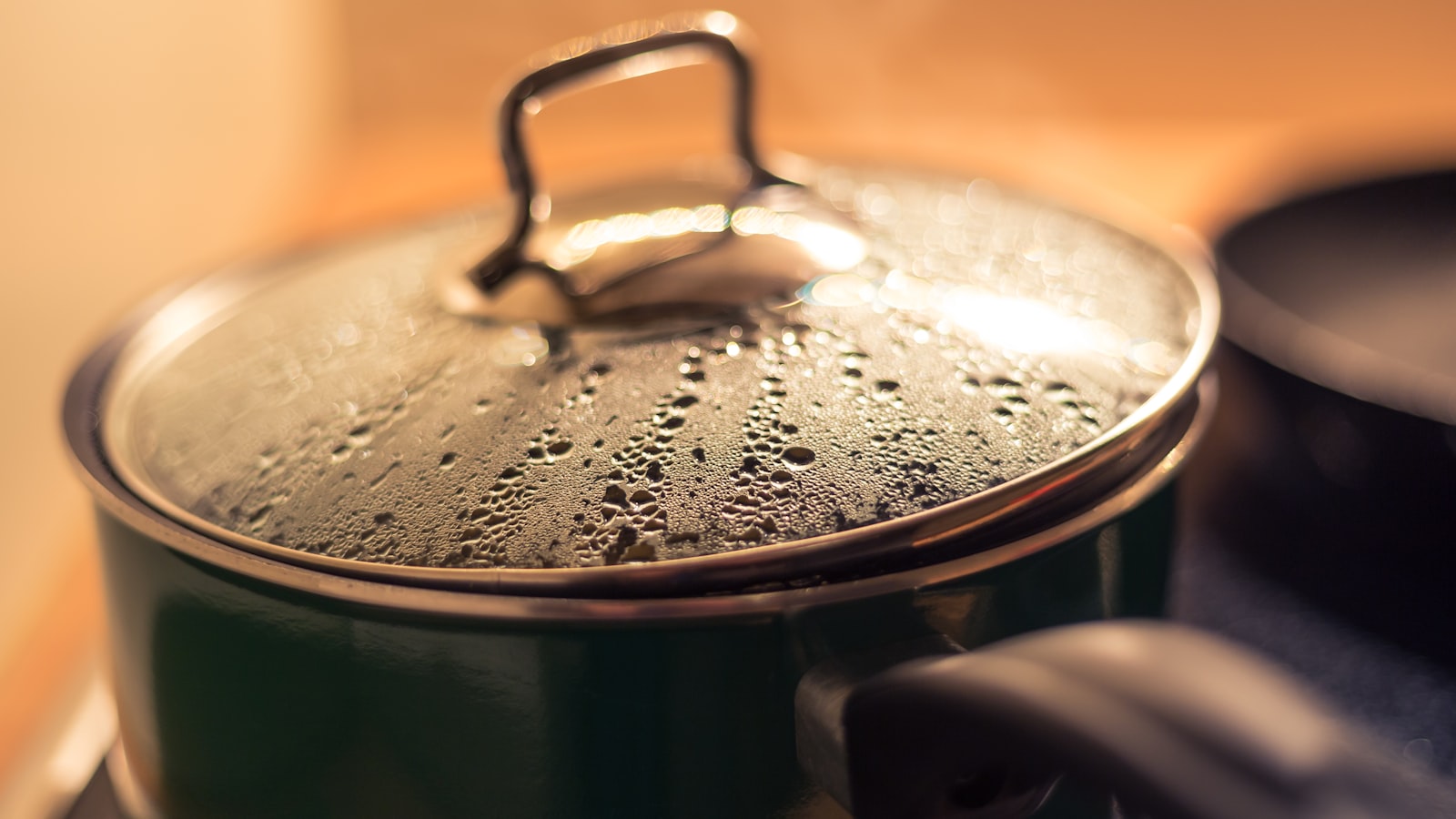
Put the drained beans in a large pan, cover them well with fresh cold water, and bring the pan up to the boil. Skim off the greyish foam that rises, then lower the heat to a bare simmer and set the lid slightly ajar. A rolling boil batters beans and splits their skins; what you want is the barely-there bubble that keeps them whole and creamy. Keep them submerged throughout, topping up with hot water if the level drops. A bay leaf, a halved onion, a garlic clove or a strip of kombu in the water lends a quiet background flavour for almost no effort.
Aromatics go in at the start, while seasoning that reacts with the skins waits until later (more on that below). There is no need to stir much; an occasional gentle turn stops the lowest layer catching, but vigorous stirring only breaks skins. If a thick foam keeps forming, carry on skimming at first and it will settle. The pan should tick over quietly, with a lazy bubble rising here and there rather than a churning surface.
Judge doneness by tasting, never by the clock. Older beans take longer than fresh ones, and you rarely know how long a particular bag has been sitting on a shelf. Fish out a few beans and eat them: a properly cooked bean is soft and creamy all the way through, with no chalky core. Test more than one, because they do not all reach that point at the same moment. A useful check for larger beans is to press one against the roof of your mouth with your tongue; if it yields without resistance and has no grainy centre, the pot is ready.
Lentils and split peas, up close
Lentils reward a little knowledge of the type in your hand, since they behave very differently:
- Red and yellow lentils collapse into a soft purée as they cook, right for dal, thick soups and spreads.
- Green and brown lentils hold their shape and stay slightly firm, good in salads and as a side.
- Puy-style, slate-grey lentils keep the most bite and a mild peppery flavour.
- Split peas break down slowly into a thick, comforting pottage.
None of these needs soaking, and all of them travel from firm to overcooked fairly quickly near the end, so start tasting sooner than you think you need to. A gentle simmer still applies; a hard boil will turn even the sturdy ones to mush. If you want green or brown lentils to stay separate for a salad, drain them the moment they are tender and spread them out to stop the residual heat cooking them further.
Salt and acid: when to add them
Salt seasons pulses from the inside if it is in the water while they cook, and contrary to old kitchen lore it does not stop them softening. Lightly salted cooking water gives a better-seasoned, more evenly cooked bean, so add it once the pot has come up to a simmer rather than only at the table. Some cooks also add a little salt to the soaking water, which seasons the beans early and can help the skins hold together.
Acid is the ingredient to hold back. Tomatoes, vinegar, lemon, wine and anything else sharp slow the softening of the skins, so beans cooked in a tomato sauce from the very start can stay stubbornly firm however long you wait. Cook them until tender in plain water first, then stir in the acidic ingredients. The same goes for a chilli or a bean stew: get the beans soft, then build the sauce around them.
When beans refuse to soften
Now and then a pot simply will not come good, and the cause is usually one of a short list. The beans may be old, which is the most common reason of all. The water may be hard, and very mineral-rich water can keep skins firm. Acid may have gone in too early, or the water may have been left unsalted throughout. Work through these in order: give old beans more time and heat, keep acidic ingredients back until the end, and make sure the beans stay fully covered and at a steady simmer. If your tap water is very hard, cooking in filtered or bottled water can make a visible difference to how readily the skins give way.
A worked example: a pot of chickpeas
To put it together, here is one batch from start to finish. Pick over the dried chickpeas on a tray, discard any stones or shrivelled seeds, and rinse them until the water runs clear. Cover them generously with cold water and leave them overnight, remembering that they will swell considerably, so give them room. The next day, drain and rinse, then put them in a large pan with plenty of fresh water, a halved onion and a bay leaf. Bring to the boil, skim the foam, then drop to a bare simmer with the lid ajar. Once it is simmering, add a little salt. Cook, topping up with hot water as needed, tasting from time to time until a chickpea is creamy through with no chalk at the centre. Only now stir in lemon or tomato if the dish calls for it. Lift out the aromatics, and you have a pot ready to become hummus, a stew, or a bowl dressed simply with oil and herbs.
Storing what you have cooked
Cooking a large pot and keeping the rest is the real economy of dried pulses. Cool them quickly once they are done, spreading them out helps them lose heat faster, and get them into the fridge without dawdling. Perishable food should not sit out for more than two hours at room temperature, or one hour if it is above 90F. Keep the fridge at 40F (4C) or below, where cooked pulses will keep for three to four days.
For anything beyond that, freeze them. Pack the cooled beans into portions with a little of their cooking liquid to stop them drying out, and hold the freezer at 0F (-18C). Label each container with what is inside and the date, since one frozen tub of pale beans looks much like another, and it saves you guessing later. Portioning by the amount you would use in a single meal means you can pull out just what you need. They thaw well and drop straight into soups, stews and salads. Do not pour the cooking liquid away, either, that savoury bean broth makes a ready stock, and the thick liquid from chickpeas, sometimes called aquafaba, whisks into a foam that can stand in for egg white.
Why the effort is worth it
Beyond flavour and cost, pulses earn their keep. They are high in protein and fibre, low in fat, and contain no cholesterol, which makes a batch a genuinely useful thing to have ready in the fridge. They are also kind to grow: they have a low water footprint, tolerate drought, and fix nitrogen in the soil so the land needs less synthetic fertiliser. Cook a pot at the weekend and you have the makings of several meals sitting ready, seasoned exactly the way you like them.
Frequently Asked Questions
Do I have to soak dried beans before cooking?
Larger, denser beans such as chickpeas, kidney beans and butter beans benefit from soaking, which shortens the cooking, helps them cook evenly and rinses away some of the compounds that cause wind. If you forget, a hot soak works: bring them to the boil, take the pan off the heat and let them sit covered until plumped up. Lentils and split peas are small enough to cook straight from dried, so they need no soaking at all.
Does adding salt to the cooking water stop beans from softening?
No, that is an old kitchen belief that does not hold up. Salt in the water actually seasons pulses from the inside and gives a more evenly cooked bean. Add a little once the pot has come up to a simmer rather than only seasoning at the table.
Why are my beans still hard after a long time in the pan?
The most common reason is simply that the beans are old, since dried pulses that have been stored a long time take much longer to soften. Hard, very mineral-rich water can also keep the skins firm, and acidic ingredients like tomato, vinegar or lemon added early will slow softening further. Keep acids back until the beans are tender, make sure they stay fully covered at a steady simmer, and give old beans more time and heat.
Is it safe to cook dried kidney beans in a slow cooker?
Not from raw without a hard boil first. Raw or barely warmed kidney beans contain a natural toxin that causes stomach upset, and a slow cooker may never get hot enough on its own to deal with it. Boil dried kidney beans vigorously before dropping to a simmer, or use tinned kidney beans, which are already fully cooked and carry no such risk.
How long do cooked beans keep, and can I freeze them?
Cooled cooked pulses keep for three to four days in a fridge held at 40F (4C) or below. Do not leave them out at room temperature for more than two hours, or one hour if it is above 90F. For longer storage, freeze them in meal-sized portions with a little cooking liquid and hold the freezer at 0F (-18C); they thaw straight into soups, stews and salads.