The lunchbox that gets photographed for social media often comes home untouched. The one that actually gets eaten usually looks much plainer. A sustainable school lunch really only needs three things: food the child genuinely likes, reasonable nutrition, and as little single-use packaging as possible. A lunch that comes back uneaten fails on all three counts, and it feeds a problem bigger than any one kitchen. Households are the single biggest source of food waste worldwide, more, in fact, than the retail and food-service sectors combined. Packing food a child will finish is quietly one of the most effective things a parent can do about that. Here is the realistic version.
The sandwich that always works
A good sandwich, a protein, a small vegetable element, a familiar bread, is the most reliable school lunch in any culture. Cheese and tomato. Peanut butter and banana. Ham and lettuce. Hummus and cucumber. Tested formulas are tested for a reason, and a child who trusts what is in front of them tends to eat it. If yours asks for the same filling every day, let them. Repetition does no harm, and a plain lunch that gets eaten beats a varied one that gets binned.
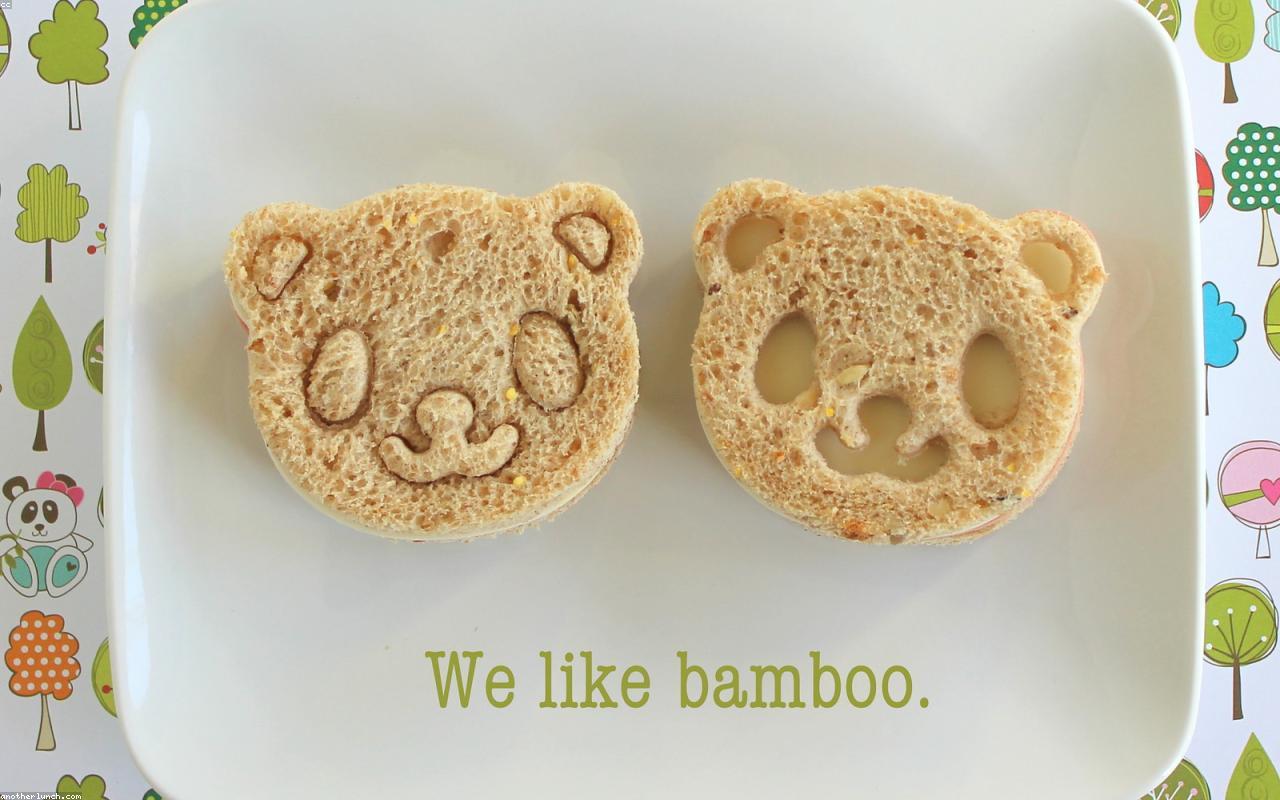
The mechanics matter more than the recipe. Butter the bread right to the edges so a dry corner does not put a child off the whole thing, and if a wet filling like tomato tends to make the bread soggy by lunchtime, keep it as a separate side. Cut the sandwich into halves or quarters: smaller pieces are easier to hold and more likely to be finished than left. A wrap or a pitta pocket does the same job when the loaf runs out.
The fruit or vegetable sidekick
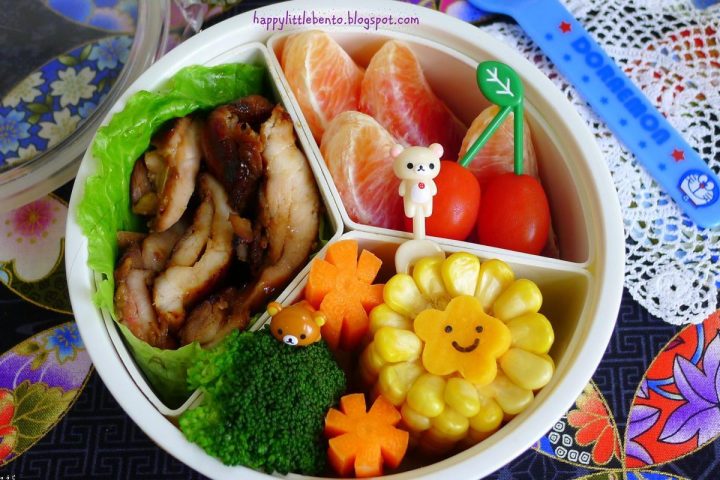
Carrot sticks, cucumber slices, cherry tomatoes, apple slices, grapes, a satsuma. These need no preparation beyond chopping, travel well, and give a child something to eat with their hands. One of them belongs in every lunchbox. It is also a practical way to chip away at a daily target: the World Health Organization suggests at least 400 g, or five portions, of fruit and vegetables a day, and lunch is a reliable moment to add one or two of them without any fuss. Apple slices brown quickly once cut, so a squeeze of lemon juice, or simply sending the whole fruit, keeps them appetising until the bell. Grapes and cherry tomatoes are best halved for younger children, both are a choking risk left whole.
The protein anchor
If the sandwich does not carry enough protein on its own, add some alongside it. A hard-boiled egg. A small piece of cheese. A pot of yoghurt. A handful of nuts or seeds, where school policy allows. Protein is what keeps energy steady through the long afternoon between lunch and home, and it is often the difference between a child who concentrates and one who flags by the last lesson. A tub of plain or lightly flavoured yoghurt does double duty here, and it is cheaper by the pot than the individually wrapped versions.
The treat that makes lunch feel like lunch
A small biscuit, a square of dark chocolate, a few crackers. A child who feels their lunch includes a small pleasure is more likely to eat the rest of it, so the treat earns its place. It does not need to be expensive or elaborate, and keeping it small also keeps the lunch sensible. The same WHO guidance recommends keeping free sugars low, under a tenth of daily energy, and ideally under a twentieth. A modest treat sits comfortably inside that; a whole chocolate bar does not. A few dried apricots or a handful of raisins scratch the same itch while adding more than sugar.
The drink
A reusable bottle of water is the simplest and cheapest default. Juice boxes are worth skipping: they tend to be high in sugar, and each one is single-use packaging thrown away after a single lunch. Some children take milk, or a small flask of homemade smoothie. Water covers most days, and if plain water is a hard sell, a few berries in the bottle add flavour without the sugar of a carton.
Packaging: the box, and what to skip
A solid reusable lunchbox with its own water bottle is the foundation. The upfront cost is modest and one well-chosen box lasts the school year, while the saving on disposable bags and snack packets adds up steadily. Reusable wraps and small containers are a genuine improvement on zip-lock bags, they remove hundreds of throwaway bags across a school year and pay for themselves within a few months.
The thing worth avoiding is the pre-packaged “lunch kit”: crackers, cheese, a slice of ham and a sweet, sealed in moulded plastic. These are expensive by weight, heavily processed, and generate a surprising amount of packaging for what is inside. They also tend to be high in salt, which is easy to overlook next to the sugar, and WHO advises keeping salt under 5 g a day for the same reasons it caps free sugars. Assembling the same components yourself, a few crackers, a slice of cheese cut from a block and a piece of fruit, is faster than a shop run, cheaper, and far lower waste.
Keeping lunch safe until lunchtime
A packed lunch sits at room temperature for hours, which matters for anything perishable. An insulated lunchbox with a small frozen ice pack keeps things cool; a frozen yoghurt or a bottle of frozen water does double duty, chilling the box and thawing in time to eat or drink. This is not fussiness. Food safety guidance is to not leave perishable food at room temperature for more than two hours, and a lunchbox in a warm classroom is exactly that situation. On a genuinely hot day, above 32C (90F), that window drops to a single hour, so an ice pack matters most in summer term. An ice pack buys the margin.
The cold chain at home is worth getting right too. The same guidance sets the fridge at 4C (40F) or below and the freezer at -18C (0F). Keep perishables properly chilled overnight and pack them straight from the fridge, so the ice pack only has to hold that cold rather than claw it back.
The hot lunch option
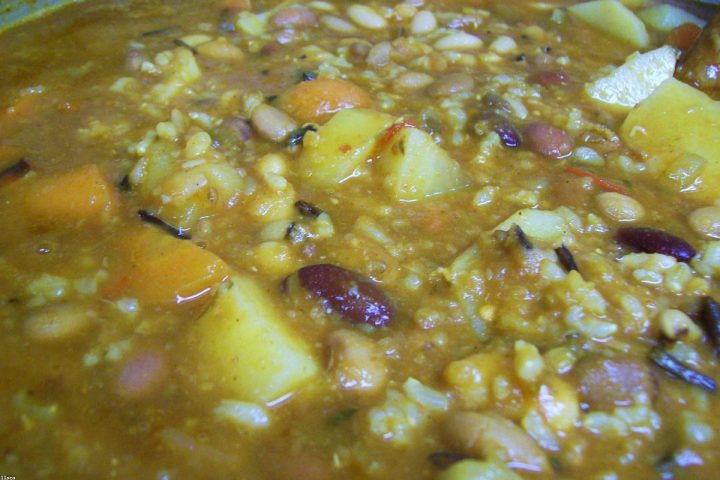
A small vacuum flask of leftovers, soup, a warm grain bowl, yesterday’s pasta, is a welcome change from sandwiches, and children often love the variety. It also puts last night’s cooking to use rather than the bin. Cooked leftovers keep well in the fridge for three to four days, so a Sunday or Monday meal can comfortably reappear in a Tuesday flask. Warm it through thoroughly in the morning and send it out in a flask pre-heated with boiling water, so it stays hot until the bell. The pre-heating step is the one people skip: pour boiling water into the empty flask, tip it out when the food is ready, then fill immediately.
Wasting less of what you buy
The waste from a school lunch is not only the uneaten sandwich. It is the half-tub of yoghurt that turns, the bread that goes stale, the fruit that softens at the back of the bowl. Households throw away about 79 kilograms of food per person each year and account for around 60 percent of all food wasted globally, roughly 631 million tonnes in 2022. Put another way, close to a billion meals are binned worldwide every day. A packed lunch is a small lever on a very large number, but it is a daily one.
A fair amount of that waste comes from misreading date labels. Except for infant formula, those labels are not required by federal law and are not safety indicators at all. A “Best if Used By” date speaks to quality rather than safety, and food showing no signs of spoilage is generally fine to eat past it. A yoghurt a day past its printed date, or bread that is a shade firmer than yesterday’s, is usually perfectly good for a lunchbox. Trusting your eyes and nose rather than the print on the pot keeps edible food out of the bin, and turning a slightly firm loaf into toasted sandwiches is the small habit that makes the difference over a term.
A weekly prep pattern
The system that survives real weeks is a light one. On Sunday, hard-boil a batch of eggs, cut a tub of vegetable sticks, and restock the fruit bowl. On weekday mornings, assemble. By midweek most of the work is already done and putting a lunch together takes only a few minutes. As a worked example, a Sunday session of a batch of boiled eggs, a tub of carrot and cucumber batons and a bowl of apples covers the vegetable and protein side of the week’s lunches before it even starts; the mornings then only ask for a sandwich and a treat in the box. The point is not a perfect production line; it is removing enough friction that the easy choice and the good choice become the same choice.
Involving children, allergens, and refusal
Even young children can choose between two options or help assemble parts of their lunch, and a child who had a hand in the choice is more likely to eat it. Those small decisions grow into real skills over the years. Laying out two fillings and two fruits on a Sunday evening and letting them point at the week’s rotation does the choosing once, rather than arguing it out every morning.
Work within the school’s rules from the start. Many schools restrict nuts; some limit other allergens. Check carefully and adapt, and aim to replace a restricted food with another real food rather than a heavily processed substitute. A seed butter, cheese or a boiled egg can carry the protein a peanut butter sandwich would have, without breaking a nut policy.
When a child refuses something, stay calm. Offer a smaller portion of the new food, pair it with something they always eat, and avoid turning the meal into a battle. Refusal cycles are ordinary; consistent, low-pressure offering usually settles them over a few weeks. With older children who trade or skip lunch, a gentle conversation about why tends to be more useful than punishment, sometimes the lunch needs to change, and sometimes it is the social side of the day that needs the attention.
None of this needs elaborate cooking. Children whose lunches consistently contain real food tend to build steadier eating habits, the family saves a meaningful amount over a school career, and far less single-use plastic leaves the house each year. What it asks for is not effort so much as a few reliable patterns, repeated.
Frequently Asked Questions
How do I keep cold lunches cold?
An insulated lunchbox with a small frozen ice pack works well. Some lunchboxes have built-in cold compartments. Frozen fruit or yogurt also keeps the rest of the lunch cooler.
What if my child wants the same lunch every day?
Let them. Repetition is fine. Add a small variety element (different fruit, different treat) if you want, but the core lunch can be the same for weeks without harm.
How do I avoid the "lunch kit" trap as a busy parent?
Prep components on Sunday. Hard-boil eggs, slice vegetables, portion crackers and cheese into small reusable containers. By mid-week the assembly is faster than buying.
Are reusable wraps better than zip-lock bags?
Significantly. Reusable wraps and small containers eliminate hundreds of single-use bags per school year. The investment pays back within a few months.
What if my child trades or skips lunch?
Common with older children. A gentle conversation about why is more useful than punishment. Sometimes the lunch needs to evolve; sometimes the social context needs attention.