Plenty of family kitchens now cook for genuinely different needs at the same table. One person is vegetarian. Another is avoiding dairy. A young child will eat only a narrow set of foods this month. A teenager is following a training diet. Faced with this, most cooks swing between two extremes: producing a separate meal for each person, or insisting everyone eats exactly the same thing. The first exhausts whoever is cooking. The second usually leaves someone at the table hungry or resentful. There is a calmer middle path, and it starts with how you think about a meal rather than how hard you work at it.
Build one base, then let people top it
The most reliable system is to cook a single base that suits everyone, then let each person finish their own plate. The base is deliberately plain and flexible: rice, pasta, baked potatoes, a soup, or a spread of salad components. Toppings and additions do the work of meeting individual needs. One round of cooking produces what feels like several different meals, because the variation happens at the plate rather than at the hob.
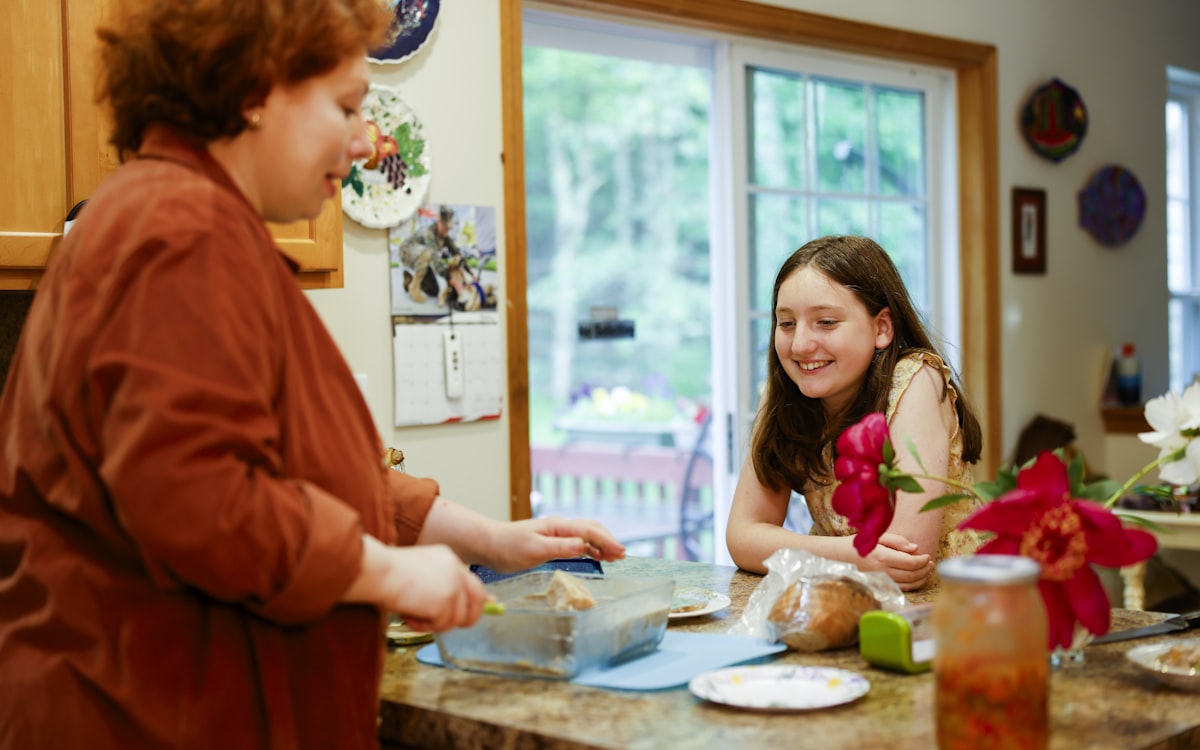
The plainness is a feature, not a compromise. A base cooked without much salt lets each eater season to taste, which quietly helps the person who is watching their intake stay within sensible limits. The World Health Organization suggests keeping salt under 5 g a day, and that is far easier when the pot is seasoned lightly and a salt cellar, soy sauce or chilli oil sits on the table for those who want more. The same logic applies to sweeteners and rich sauces: the WHO advises keeping free sugars under 10 per cent of energy intake, and ideally under 5 per cent, so a sauce or dressing added at the plate lets one person go heavy while another skips it entirely.
What this looks like in practice
The pattern is always the same. Cook the shared part once; keep the personal part additive. The trick in each case is choosing a base that is genuinely neutral, then staging the additions in separate bowls so nobody has to pick their food out of anyone else’s.
- Taco night: warm shells, rice, beans and salsa go in the middle of the table for everyone. Cooked meat sits in one bowl for those who want it; extra roasted vegetables sit in another. The dairy-avoider reaches for their own dairy-free cheese; the meat-eater loads up on chicken. Nobody has ordered anyone else a different dinner.
- Pasta night: cook the pasta and a basic tomato sauce, then offer grated cheese, beans, tinned tuna or sauteed vegetables alongside so each bowl is finished to taste. Keep the sauce meat-free and stir cooked mince into a single portion if one person wants it, rather than committing the whole pan.
- Soup night: make one base soup and put bread, cheese, croutons, a swirl of cream and extra cooked vegetables on the side, so each bowl becomes a slightly different meal. A thin vegetable broth can become a hearty bowl with beans and bread, or stay light for someone who wants it that way.
- Baked potato night: the oven does the shared work while you prepare four or five fillings. Beans, cheese, tuna, chilli and a leafy salad cover vegetarians, meat-eaters, fussy children and hungry teenagers from one tray.
Make the vegetarian version the default
When a household includes both meat-eaters and vegetarians, it usually works better to build the dish as vegetarian and offer meat as an addition, rather than building it around meat and improvising a vegetarian version at the last minute. The meat-eaters still get their portion, added at the table. The vegetarians are not left waiting for a second, separate dish to be assembled. Defaulting to plants also tends to put more vegetables within everyone’s reach. The World Health Organization suggests at least 400 g of fruit and vegetables a day, roughly five portions, and a base built around vegetables makes that far easier to hit than a plate where they are an afterthought. A chilli built on beans, peppers and tomatoes with browned mince spooned over one bowl feeds the whole table and reaches that five-a-day mark without anyone counting.
Keep allergies and preferences firmly apart
The single most important distinction at a mixed table is between medical needs and personal tastes. Allergies, intolerances and other medical requirements are non-negotiable, and they belong to the whole kitchen. If one person has a nut allergy, the kitchen simply does not bring nuts into it, and anyone adding an allergen from a separate source does so with real care about cross-contamination. In practice that means separate serving spoons for each bowl, so a spoon that touched the peanut sauce never dips into the shared rice, and washing boards and knives between jobs rather than trusting a quick wipe. Preferences are flexible and can be handled at the plate: someone who dislikes mushrooms gets them served on the side, not banished from every recipe the household ever cooks. Confusing the two either puts someone at genuine risk or needlessly strips a food out of everyone’s diet.
Do not collapse into cooking for the most restricted
A common trap is to let the strictest diet in the house quietly set the menu for everyone. Bit by bit, the whole family’s range narrows to the short list of things one person will eat, and meals that most people enjoyed disappear. There is a waste cost too. Cooking several parallel meals, or over-catering so that everyone has a fallback, tends to leave more food scraped into the bin, and households are already the single largest source of food waste, responsible for around 60 per cent of the global total, about 631 million tonnes in 2022. That works out at roughly 79 kg of food thrown away per person each year, and close to 1 billion meals wasted worldwide every day. Cooking one good dish that suits most of the table, with small adaptations for the person who needs them, wastes less and keeps the family’s diet broad.
Over-catering is often driven by a fear that the fridge and pantry cannot be trusted, so plenty gets binned “just in case”. Much of that caution is misplaced. According to the USDA, date labels other than the one on infant formula are not required by law and are not safety indicators: a “Best if Used By” date speaks to quality, not safety, and food with no signs of spoilage is generally fine past it. Knowing that lets you cook confidently from what you already have rather than replacing it prematurely, which is a small habit that adds up across a busy week of mixed-diet dinners.
Picky eating: exposure, not pressure
Picky eating is best handled with patience rather than force. Make sure every meal contains at least one thing the picky eater reliably accepts, so they never face a plate with nothing on it. The rest of the meal is there to be seen, smelled and, in time, tried, but it is offered rather than enforced. Pushing a child to eat a food they are refusing usually makes that food more aversive, not less, and turns dinner into a standoff. Acceptance tends to grow slowly, over weeks and months of calm, low-pressure exposure. The base-and-topping model helps here: a new vegetable in its own bowl, alongside the safe foods, is easy for a wary child to sample a little of and easy to leave, which is exactly the low-stakes offer that eventually works. It rarely arrives on the timetable the cook would prefer, which is frustrating but worth accepting.
Respect older children’s choices
Teenagers who take up vegetarianism, veganism or another way of eating deserve to be taken seriously rather than treated as an inconvenience. Bring them into meal planning and shopping, and teach them to cook simple versions of what they want to eat. A teenager who can add tofu or beans to the family stir-fry is no longer waiting on anyone else, and is building a skill that will outlast the phase, if it turns out to be one. Framing their choice as a nuisance mostly guarantees friction and teaches them little. It also spreads the mental load: a young person who plans their own protein has, in effect, taken one accommodation off the cook’s list for good.
Batch the base and share the load
The base-and-topping model has a practical bonus: the base tends to store well. A pot of soup, a tomato sauce or a tray of roasted vegetables can be made ahead and reused across the week, which spreads the effort out. Cooled promptly and refrigerated at 4°C (40°F) or below, cooked leftovers keep for three to four days, long enough to carry a base through several dinners. For a longer horizon, the same source advises keeping the freezer at 0°F (-18°C), so a double batch of sauce or soup portioned into tubs gives you a diet-flexible dinner weeks later with no fresh cooking at all.
Serving buffet-style needs one piece of care. Bowls of fillings left out over a slow, chatty dinner are sitting at room temperature, and perishable food should not stay out for more than two hours, or one hour if the room is above 90°F. For a leisurely meal, put out modest amounts and refill from the fridge rather than emptying everything onto the table at once. Sharing the cooking itself matters just as much. When demands are high, spread them: the teenager takes one night, the other parent takes another, and the picky eater gets to choose what lands on the table on Tuesday.
Be honest about what the cook can manage
None of this works if it quietly assumes one person will do everything. Whoever is cooking has a real limit, and a single cook cannot turn out several bespoke meals every night without eventually burning out. It is worth saying this plainly and negotiating it: who cooks, on which nights, and how much adaptation is genuinely realistic. Capable family members can take on their own adjustments. The dairy-avoiding parent adds their own dairy-free cheese; the vegetarian stirs beans into their portion. Accommodation is then shared rather than piled onto one pair of hands.
The table matters more than the plates
Through all of this, the point of a family meal is the sitting down together, not the uniformity of the plates. A table where people eat different things but eat them side by side keeps the connection that separate meals at separate times quietly lose. Different diets under one roof are workable with a fairly small shift in how a meal is imagined: one shared base, personal finishing touches, honesty about who cooks, and a clear line between what is medical and what is merely a preference. Handled that way, the table stays a place to gather rather than a nightly negotiation.
Frequently Asked Questions
How do I cook for a family with one vegetarian?
Default to vegetarian-friendly dishes and add meat as an option for those who want it. This is much easier than producing parallel vegetarian and meat versions of every meal.
What if my child refuses everything I cook?
Always include at least one element they accept. Continue offering other items without pressure. The phase usually passes within months.
How do I handle one family member with severe allergies?
The kitchen treats the allergen as off-limits across the household. Other adaptations can be additive (others adding allergens at the table from separate sources if essential, with care about cross-contamination).
Is it okay for family members to eat completely different meals?
Occasionally yes, regularly no. Different meals at the same table maintain family connection. Completely separate meals erode the shared mealtime.
How can teenagers handle their own dietary changes?
Teach them to cook simple versions of their preferred diet. Include them in shopping and meal planning. Adolescent food autonomy is age-appropriate and supports long-term skill.