Modern food culture treats variety as a virtue. Every meal should be new, every dinner exciting, every week built around something the household has not tried before. That message runs through recipe blogs, cooking shows and meal-planning apps. It also quietly drives a great deal of the waste, expense and low-level stress that sits inside home cooking. The alternative is not deprivation. It is cooking a small set of dishes so often that they become second nature.
The case for a narrow repertoire
Most of the world’s long-standing food cultures cook from a small, well-worn set of dishes, and have done so for generations. The result is not boredom. It is deep familiarity, refined technique and food that improves over time. Less variety, cooked well, is usually more satisfying than more variety cooked badly. The narrowness is not a limitation imposed from outside; it is the condition under which real skill develops. A cook who returns to the same dishes is not stuck. They are getting better.
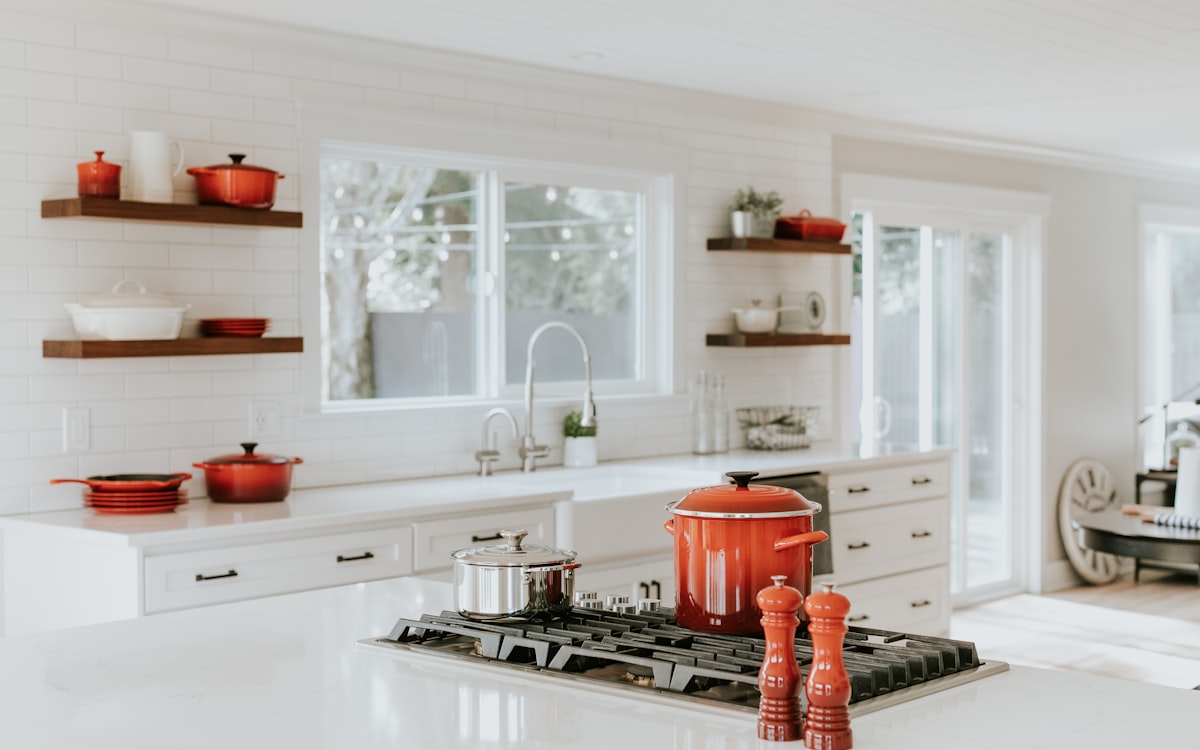
There is a practical logic underneath the cultural one. A cook who makes the same braise every week is running a private experiment: adjusting the salt one time, browning the meat longer the next, noticing that a splash of vinegar at the end sharpens the whole pot. Each repetition carries forward what the last one taught, while a different dish every week starts from scratch and never lets the small refinements accumulate. Narrowness compounds. Novelty resets.
The familiarity dividend
A dish you have made many times over is simply better than one you are attempting for the first time. The pacing is right. You know when the onions are ready without watching the clock. The seasoning is intuitive rather than anxious, and small adjustments come without thought. Mistakes grow rare because your hands already know the work. Familiarity also buys speed, which matters most on the evenings you have least of it: a recipe you have read fourteen times needs no reading on the fifteenth, and the knife work falls into a rhythm you do not have to think about. This is the quiet payoff of repetition: not monotony, but competence. The variety hidden inside a familiar dish is far greater than a first-time cook can see, because every making is slightly different from the last.
Why it wastes less
A household that cooks from a small core of dishes shops more efficiently, keeps a steadier pantry and throws away less. The same ingredients reappear across the week, so odd halves and leftovers always have somewhere to go. This matters more than it first appears. According to the UN Environment Programme’s Food Waste Index Report 2024, households are responsible for around 60 percent of all food wasted globally, roughly 631 million tonnes in 2022, and about a billion meals are thrown away worldwide every single day. The same report puts household waste at around 79 kilograms of food per person each year. Much of that is food bought in optimism and discarded in resignation. A predictable set of meals is one of the plainest ways to buy only what you will actually cook.
The mechanism is simple. When half a bunch of coriander, a leftover tin of chickpeas and a lonely carrot all belong to dishes you know you will make again in a few days, none of them becomes an orphan. You buy a cabbage knowing it will feed two meals, not one hopeful salad. A fridge stocked for seven different recipes fills instead with single-use fragments, each forgotten once its one dish is done.
Making leftovers actually work
Cooking repeatedly from the same base also makes leftovers genuinely usable rather than a vague guilt at the back of the fridge. When you know a pot of lentils or a tray of roast vegetables will return in a recognisable form later in the week, you plan for it instead of forgetting it. Stored properly, those extra portions become tomorrow’s lunch rather than Thursday’s waste. The US FoodSafety.gov cold storage guidance notes that cooked leftovers keep 3 to 4 days refrigerated, which is more than enough room to fold them back into a familiar week without a scramble.
Getting that window is a matter of a few habits. Keep the refrigerator at 40F (4C) or below and the freezer at 0F (-18C), so cold food stays genuinely cold rather than merely cool. Do not leave cooked food sitting out; the same guidance warns against leaving perishable food at room temperature for more than two hours, or more than one hour when the room is above 90F. Portion leftovers into containers you will actually reach for, and label the ones bound for the freezer so a batch is not lost. A dish you already know reheats predictably, and you know how the second night tastes, which is often better than the first.
Reading date labels instead of obeying them
A steadier pantry only helps if you are not throwing away food that is perfectly good. A surprising amount of household waste comes from misreading the dates printed on packaging. The USDA Food Safety and Inspection Service is blunt about this: except for infant formula, date labels are not required by federal law and are not safety indicators. A “Best if Used By” date speaks to quality, not safety, and food that shows no signs of spoilage is generally fine to eat past it. Once you cook from a familiar core, you learn what your own staples look, smell and feel like when they turn, a far better guide than a stamped date read in a panic.
Where variety genuinely belongs
None of this means abandoning variety altogether. It means giving it a proper home. The weekend, special occasions, travel and eating out are where experimentation belongs. The weekday kitchen is for reliability. Separating the two lowers the mental load on a tired Tuesday evening while protecting the pleasure of a slow, curious Saturday. Both improve once they stop competing for the same worn-out attention. The point is not to cook less well, but to stop asking every night to be an event.
Variety that moves with the season
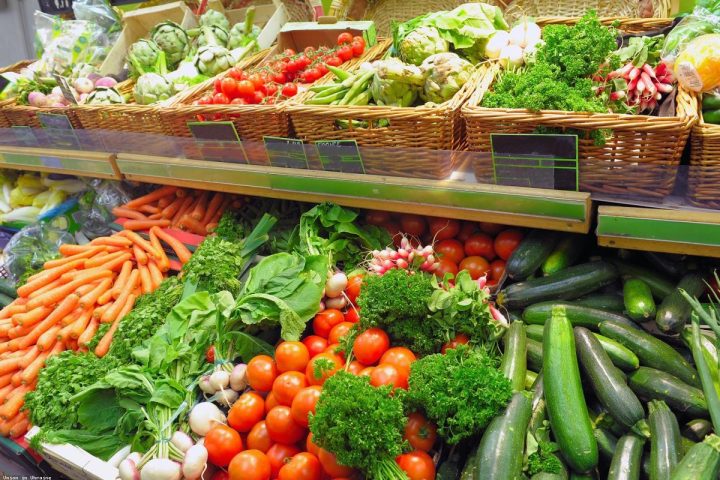
A small repertoire is not a fixed one. The clearest way to keep it alive is to let the seasons rewrite it. Winter cabbage gives way to spring greens; late-summer courgettes give way to autumn squash and then to winter roots. The structure of a meal stays the same while its contents shift underneath. A lentil stew can be brighter and sharper in spring, deeper and richer in autumn, without ever becoming a different dish to learn. The variety arrives across months rather than across days, which is closer to how people have always eaten and to what the land actually offers.
Building your own short list
Start by writing down the dishes your household genuinely loves and returns to willingly. Keep the list short enough to master and honest enough to actually cook on a busy evening. Check that it covers the ground a good diet needs, and vegetables above all. The World Health Organization recommends at least 400 grams, or five portions, of fruit and vegetables a day, so a repertoire that leans on greens, roots, pulses and whole grains does more quiet work than one built around a rotating cast of novelties. The same guidance advises keeping free sugars under 10 percent of energy intake, ideally under 5 percent, and salt under 5 grams a day. Cooking your own core dishes from scratch is the most direct way to hold both in check, because you control the sugar and the salt rather than inheriting whatever a jar or a ready meal decided for you.
When you draw up the list, aim for a handful of dishes that between them cover a few different bases: something built on pulses, something on a whole grain, something that turns a tray of vegetables into the centre of the plate. Make sure each fits your real weeknight time and can flex with the seasons. Those dishes are your actual cooking life. Everything else is occasional.
A worked week
To see how little it takes, imagine five weekday dinners drawn from a fixed core. Monday is a lentil stew, made in a big pot so it covers a lunch later. Tuesday is pasta with whatever green vegetable is in season, cooked fast. Wednesday is a tray of roast vegetables with a grain, using the half a squash left from the weekend. Thursday folds the Monday lentils into a second, slightly different form, brightened with lemon or softened with yoghurt. Friday is eggs, quick and forgiving, with bread and a salad. Five meals, perhaps a dozen core ingredients, almost nothing wasted, and not a single evening spent deciding what to cook.
How children respond
Parents often expect a narrow repertoire to trigger complaints, and are frequently surprised by the opposite. Children tend to settle into a stable set of familiar meals more happily than into a constantly shifting one. The predictability is reassuring rather than dull. New foods also land better when they arrive as occasional additions against a steady background, instead of as yet another nightly disruption. Acceptance grows when the baseline holds still long enough to be trusted.
The cost you stop paying
Deciding what to cook from scratch every evening is quietly exhausting, and most households underestimate that cost until they remove it. A loose weekly rhythm, with pulses one night, pasta another and a tray of roast vegetables on a third, frees up the mental space that endless choosing consumes. That reclaimed attention rarely goes to waste. It simply flows into the rest of the household’s evening, which is where most people would rather spend it anyway.
Repetition is not rigidity
The trap worth avoiding is confusing a small repertoire with a rigid one. Repetition and sameness are not the same thing. A single dish can vary widely week to week depending on what is in season, what needs using and how much time you have. The scaffolding stays put while the details flex constantly. Approached this way, a short list of dishes holds far more genuine variety than a first-time cook ever expects, and it holds it without the daily strain of starting over.
What usually happens
Households that deliberately narrow what they cook tend to notice two things after a while: the cooking has become easier, and the food has become better. These are not in tension. They are the same result seen from two sides. Mastery costs less than novelty and gives back more, in less waste, less expense, less nightly deliberation, and meals that quietly improve the more often you make them. The reward for cooking a little less variety, it turns out, is enjoying it a good deal more.
Frequently Asked Questions
How small should my repertoire be?
Around 10 to 15 dinners is the practical sweet spot for most households. Smaller and you risk boredom; larger and the benefits of familiarity diminish.
Will my family complain about repetition?
Initially, sometimes. After a few weeks, almost never. The repetition becomes comforting rather than monotonous, especially when the dishes are well-made.
How do I avoid the same week repeating?
Rotate dishes across two or three weeks. Mondays might be lentils one week and pasta the next. The structure holds. The order changes.
Can I still try new recipes?
Yes, deliberately. Mark them as weekend experiments. Successful ones eventually join the core repertoire. Failed ones leave without disrupting the weeknight rhythm.
Does this work for cooking enthusiasts who love variety?
Yes, if you separate the weekday kitchen (small, calm, repetitive) from the weekend kitchen (variety, experiments, exploration). Both can coexist.