A weekly vegetable box from a nearby farm is often sold as the tidy answer to eating well and eating sustainably. For some households it genuinely is. For others it becomes an expensive way to grow guilt in the bottom of the fridge. The deciding factor is rarely the box itself; it is the way your household already cooks. Knowing which type of household you are saves both money and waste before you sign up.
What a vegetable box actually is
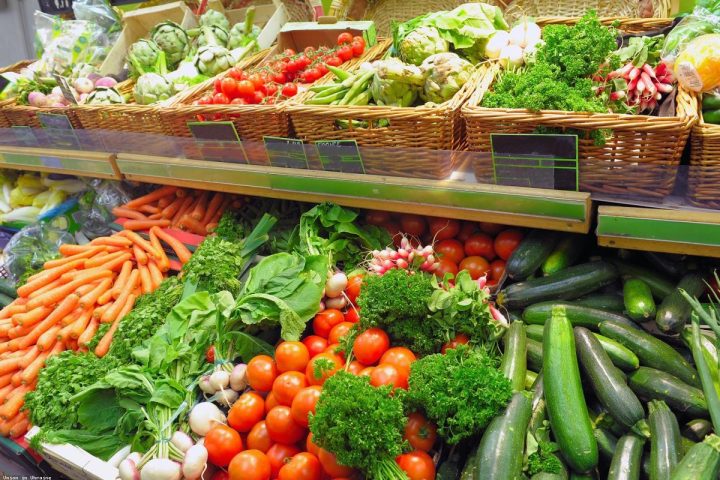
At its simplest, a vegetable box is a regular delivery of seasonal produce, usually from a single farm or a local cooperative. Some boxes are fixed, so you take whatever the harvest offers that week. Others are flexible, letting you swap items in and out. Prices range widely depending on size, frequency and whether the scheme is certified organic. The produce is almost always fresher than the supermarket equivalent, because it travels a shorter distance and spends less time in storage. That freshness is the real draw, and it is also the first thing lost when a box sits unopened.
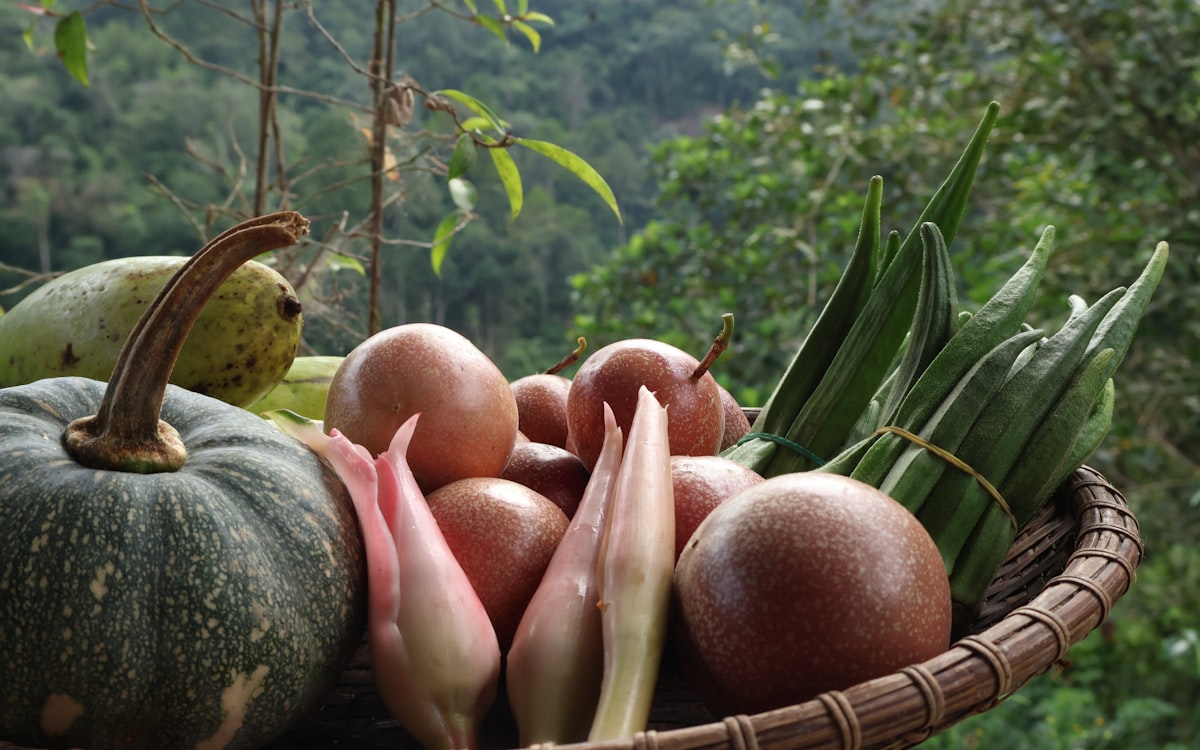
Three things vary most between providers: the size (often sold as small, medium or large, pitched at a rough number of people), the frequency (weekly or fortnightly), and how much control you have over the contents. Many farms also let you bolt on extras such as eggs, bread, milk or apples, which turns a vegetable delivery into a small weekly shop. Each add-on changes the sums and the risk of waste, so decide what you want the box to do before you tick any of them.
Who they work brilliantly for
Boxes reward households that already cook from fresh produce most nights and improvise comfortably. If you can look at an unfamiliar vegetable and see a few things you might do with it, the box stops being a test and becomes a prompt. It nudges you out of the same handful of meals and quietly widens your repertoire. People who enjoy cooking often find this the most valuable part: the box makes the decision about what to eat, and the constraint turns out to be freeing rather than annoying.
Who they quietly fail
The opposite household struggles. If you cook from specific recipes, plan meals around exact ingredients, and feel a small flush of anxiety when an unknown vegetable arrives, the box works against your habits rather than with them. What tends to happen is predictable: the familiar items get used and the unfamiliar ones drift to the back of the drawer until they are past saving. The cost-per-meal maths turns ugly quickly, because you are paying full price for produce and eating only part of it.
The honest cost comparison
A mid-sized weekly box usually costs roughly the same as buying the equivalent produce from a supermarket, with two differences that both cut both ways. The quality is generally higher, which is a point in the box’s favour. The variety is chosen by the farm rather than by you, which helps if you like surprises and hurts if you do not. The figure that actually matters is not the sticker price but the cost per portion you genuinely eat. A cheaper box you waste is dearer than a pricier one you finish.
A simple way to see this is to track a single month honestly. Keep the box receipt, then note anything that goes in the bin or the compost uneaten. If a box arrives full and you finish nearly all of it, the effective cost per portion sits close to the sticker price and the higher quality is a genuine bonus. If a third of it goes uneaten week after week, your real cost per portion is much higher than the receipt suggests, because you paid for food you never ate. That single sum, done with your own household, answers the money question better than any comparison table.
The sustainability case
When the box is fully used, the environmental argument is strong: a shorter supply chain, less packaging, direct support for small producers, and a more diverse local agriculture. The weak point is waste, and it is worth being honest about the scale of the problem a wasted box feeds into. According to the UN Environment Programme’s Food Waste Index, households account for about 60 percent of all food wasted worldwide, some 631 million tonnes in 2022, which works out at roughly 79 kilograms of food thrown away per person each year. On a global view, that adds up to around 1 billion meals wasted every single day. A subscription that quietly adds to that pile is not a sustainable choice, however good the farm’s practices are. The box earns its green credentials only at the point where the food is actually eaten.
What happens to the part you do not use
Composting the leftovers is far better than binning them, and it is worth understanding why. When uneaten food goes to landfill it breaks down without oxygen and releases methane; the US Environmental Protection Agency finds that landfilled food waste is responsible for about 58 percent of the fugitive methane escaping from municipal landfills, and that food waste makes up around 24 percent of everything landfilled in the US. Home composting avoids that, because it relies on aerobic decomposition rather than the airless conditions that generate methane, and the finished compost improves soil structure, helps the soil hold moisture and nutrients, and reduces the need for fertiliser, as the EPA’s guidance on composting at home explains. Still, composting a large part of every box is a signal, not a solution. It means you are paying for food to feed your compost heap, and the honest response is to change the box or change your habits.
Judging what is still good before you bin it
A fair amount of box waste is not really spoilage at all; it is a guess made in a hurry. A limp carrot or a slightly soft courgette usually has plenty of good cooking left in it, and the wilt often revives with a spell in cold water. The waste comes from treating “not perfect” as “not usable”.
The same over-caution shows up with the dated add-ons many schemes bundle in, such as eggs, bread or cheese. Here it helps to know how those dates work. The US Department of Agriculture points out that, except for infant formula, date labels are not required by federal law and are not safety indicators. A “best if used by” date speaks to quality rather than safety, and food showing no signs of spoilage is generally fine to eat past it. Treating a quality date as a hard deadline is one of the quieter ways a box turns into waste, so lean on your own senses for the extras and save the dates for rough guidance.
The hidden catch of timing
Boxes assume a steady weekly rhythm, and life rarely cooperates. If your delivery lands mid-week after you have already shopped, you end up with overlapping supplies and more than you can cook. If it arrives just before you go away, the produce wilts while you are gone. Frequent travel breaks the pattern entirely. Before committing, check how easily you can skip or pause a delivery, because that single feature does more to prevent waste than any recipe card the farm includes.
Two questions are worth asking a provider before you sign up. First, how far ahead do you have to skip a delivery, and can you do it in a couple of taps rather than an email exchange? Second, does an unclaimed week roll over, refund, or simply arrive anyway? A scheme that makes pausing awkward will cost you produce on every busy or away week.
Customisable versus fixed boxes
Customisable boxes let you remove the items you know you will not eat. You lose some of the seasonal serendipity that makes a fixed box interesting, but you also solve the problem of the vegetable nobody in the house wants. For households with fussy eaters or firm preferences, the customisable option is the safer bet and usually the one that survives past the first month. A fixed box suits confident, curious cooks; a flexible one suits almost everyone else.
What to do with a vegetable you have never cooked
The trick is to keep the first attempt simple. Roast it with a little oil and salt, sauté it with garlic, or drop it into a soup. Most vegetables respond well to at least one of those three treatments, and none of them requires a recipe. Save the elaborate dishes for ingredients you already trust. Building a small habit of low-effort cooking for unfamiliar items is what turns a box from a source of guilt into a source of variety.
A little more detail makes those three routes almost foolproof. For roasting, cut the vegetable into rough, even pieces so they cook at the same rate, toss with oil and salt, and give it a hot oven until the edges colour; firm roots take longer than soft, watery vegetables, so check rather than clock-watch. For sautéing, slice thinly, start the garlic gently so it does not burn, and keep the pan moving. For soup, sweat an onion, add the chopped vegetable, cover with stock, simmer until soft, and blend. All three forgive mistakes, which is what you want the first time you meet a kohlrabi or a bunch of chard.
It also helps to cook the unknown item first, not last. The familiar vegetables will always find a use, so the risk sits with the new arrival. Give it the first slot in the week, while it is freshest, and it rarely reaches the back of the drawer.
Try it before you commit
The most reliable way to answer the question is to run a short trial. Take a box for a month and buy no other produce during that time. Pay attention to how much you actually cook, what ends up in the compost, and whether the box adds to your week or quietly stresses it. If your weeks look like cooking from scratch most nights, with leftovers used promptly and a tolerance for improvising, the box is probably a good fit. If they look like irregular cooking from set recipes, punctuated by travel and busy stretches, it is more likely to be a slow source of waste. Most households sit between the two, which is why trying first and then deciding beats guessing.
Keep the trial record honest rather than flattering: the weeks you skipped cooking, the items you quietly ignored, and the portion of each box that went uneaten. If the box fits, the fridge empties and the cooking feels easier, not harder. If it does not, the compost heap will have told you long before the second month’s payment leaves your account.
Frequently Asked Questions
Are vegetable boxes always organic?
Most are, but not universally. Read the description carefully. The sustainability case is strong with or without organic certification if the producer is local and uses good practices.
Can I pause a vegetable box subscription?
Most schemes allow you to skip weeks. This is essential for travel, holidays or weeks when your fridge is already full. Always confirm the policy before committing.
How much produce is typically in a weekly box?
For a small household box, usually enough for 3 to 5 cooking sessions. For a family box, enough for the whole week of vegetable-based meals.
What if I get items I never use?
Either learn to use them (roasting works for almost everything) or swap to a customisable scheme. Persistent unused items are the signal to change boxes.
Are vegetable boxes worth it for singletons?
Often yes if the household cooks regularly, but choose the smallest box and consider every-other-week delivery. The volume can otherwise overwhelm a single-person kitchen.