Most articles about cutting packaging waste assume you live near a zero-waste shop with refill stations. Most people do not. The useful version of this advice is quieter: trimming packaging at the supermarket you already use, through a handful of small habits that work in any aisle and ask nothing more of your week. None of it needs a special trip or a change of loyalty card: it is the ordinary shop, done with a little more intent.
Start with loose produce
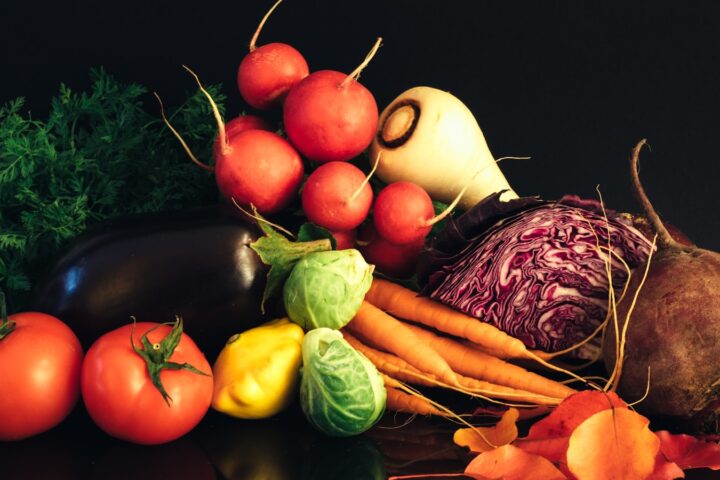
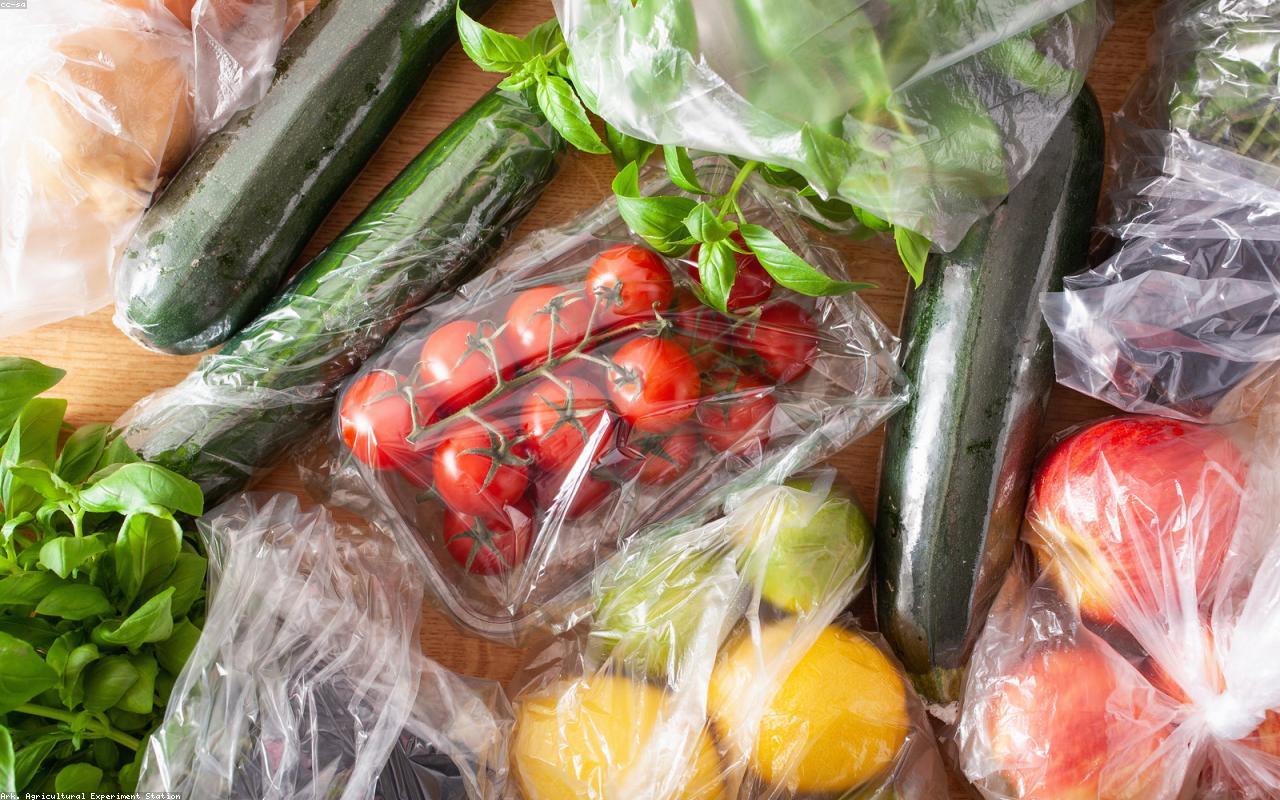
Loose carrots, potatoes, apples, peppers and lemons usually sit right beside their bagged versions and cost about the same by weight. Bring a light reusable bag, or skip the bag entirely for sturdy items that do not mind a knock. A set of reusable mesh bags weighs almost nothing at the till, since most scales let you tare or the cashier deducts a few grams. Swapping even a few bagged items for loose ones takes a visible amount of plastic out of a typical shop, and it is the change with the least friction attached.
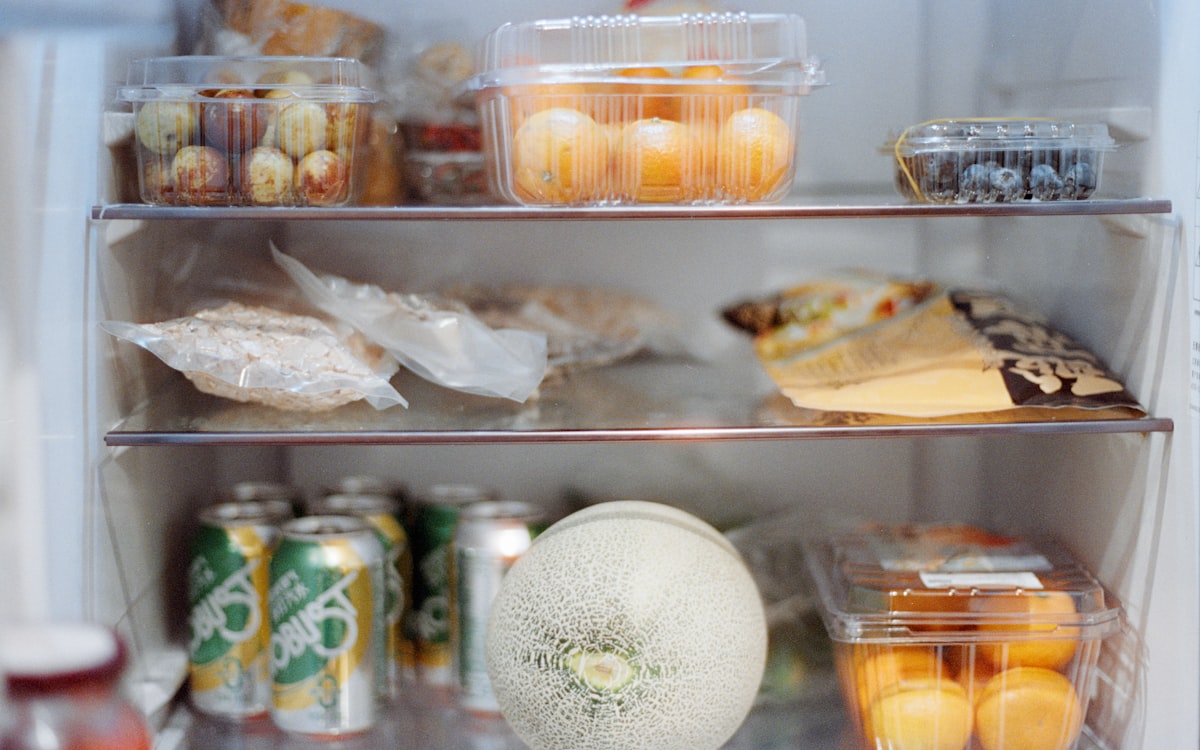
In practice it helps to sort produce into two mental piles. Sturdy items that shrug off handling, such as onions, potatoes, citrus and most root vegetables, can go straight into the trolley and then into your own bag at the end. Softer things that would bruise, such as loose mushrooms and berries, are the ones worth a mesh bag.
Buy bigger packs of the staples you actually finish
Larger pack sizes use less packaging per gram than several small ones. For staples you cycle through every week, such as oats, rice, pasta and flour, the big pack is usually the more packaging-efficient choice, even though it looks like more plastic sitting on the shelf. The qualifier is the whole point: this only holds for things you reliably finish before they go stale or off. A large bag that lingers half-used in the cupboard has quietly cancelled its own advantage.
A simple test keeps you honest. Look at what you already buy regularly and never throw away: for most households that is the dry, long-life core of the cupboard. Those are the safe candidates for sizing up; occasional or perishable items are not. Decanting a big bag of oats or rice into a jar keeps it fresh and stops the half-open bag from spilling and being written off.
Mind the food-waste trap
Bigger packs and loose produce both stop helping the moment the food spoils before you eat it, and this is worth taking seriously, because throwing away food carries a far heavier environmental cost than the wrapping it arrived in. Households are responsible for the largest slice of the problem: they account for around 60 percent of all food wasted globally, about 631 million tonnes in 2022. Averaged out, that is roughly 79 kilograms of food per person each year, and worldwide it adds up to close to 1 billion meals thrown away every day. Against numbers like those, the film around a cucumber is a rounding error.
The damage does not end at the bin. When food reaches landfill it breaks down without oxygen and releases methane; landfilled food waste is responsible for about 58 percent of the fugitive methane from municipal landfills, and food waste makes up around 24 percent of everything sent to landfill in the United States. So buy the big pack only where you are confident you will use it, and buy loose in the quantity you will genuinely cook. Planning the week’s meals before you shop, rather than buying hopefully and improvising later, does more for both packaging and waste than any single swap in the aisle.
Read date labels for what they actually mean
A large share of household food is thrown out while it is still perfectly good, because the date on the pack gets read as an instruction. It usually is not one. Except for infant formula, date labels are not required by federal law and are not safety indicators. A “Best if Used By” date describes quality, the point past which a biscuit might be less crisp or a sauce less bright, not the point at which it becomes unsafe. Food showing no signs of spoilage is generally fine to eat past that date.
The practical version is to trust your senses over the print. Dry goods like rice, pasta, flour and tinned food stay usable long past their printed dates, and many chilled items are fine a day or two beyond if they look and smell right. This is not a licence to ignore genuine spoilage or to take risks with high-risk foods, but it does stop a good yoghurt or a firm bag of salad going in the bin on a number alone.
Compost what spoils despite good planning
For the portion that spoils anyway, home composting beats the bin. Composting relies on aerobic decomposition, which keeps the methane-producing microbes inactive, so the emissions that landfill would have released are avoided. The finished compost also improves your soil’s structure, helps it hold moisture and nutrients, and reduces the need for bought fertiliser, rather than sitting uselessly under a landfill cap.
You do not need a garden or a large heap to start. A small kitchen caddy for peelings, cores, coffee grounds and eggshells is enough to close the loop, whether it feeds a garden bin, a wormery on a balcony or your council’s kerbside food collection. A rough balance between wet green scraps and drier brown material such as cardboard or dead leaves, turned now and then to keep air in it, is most of the skill.
Choose paper and card over multi-layer plastic
Where two comparable products sit on the same shelf, paper or cardboard is usually a simpler recycling story than multi-layer plastic film. Crackers, oats, sugar and dried pasta often come both ways, so pick the simpler material when the quality is equal. Simpler packaging also travels better through the system after you have finished with it: the fewer materials fused together, the more reliably it is actually recycled rather than sorted out and discarded. Multi-layer pouches that fuse plastic, foil and paper are the awkward case, since most kerbside systems cannot separate the layers.
It is worth checking your council’s real recycling streams rather than trusting the symbol printed on the pack, since those symbols describe what could be recycled somewhere, not what your area accepts. A quick look at your local authority’s list turns vague good intentions into decisions you can make at the shelf.
Keep a few glass jars in rotation
Pasta sauce, jam, peanut butter and pickles often come in glass. Once washed, and a soak in warm water usually lifts the label while a little oil shifts stubborn glue, those jars become storage for dry grains, leftover sauces or portioned meals for the freezer. You do not need to hoard every jar; a small working set in the cupboard quietly removes the reason to buy new containers, and it pairs neatly with using up the food you already bought. Wide-mouthed jars are the most versatile, since they are easier to fill, empty and clean than narrow ones. They are also where a sized-up bag of oats or lentils goes, keeping the big pack fresh, and left plain glass they go on being reused for years, which is the whole reason to prefer a durable container over a single-use one.
Use the counter instead of the pre-packed aisle
Bakery, deli and butcher counters in most supermarkets will serve into paper, or into a clean container you have brought yourself. Bread, cheese, sliced meats and olives are all sold pre-wrapped in plastic by default and handed over unwrapped on request at the counter. The ask is small, usually a tub held out and a sentence, and staff are used to it. Quieter times of day make it easier still. It removes a layer of packaging that would otherwise repeat every single week, and the price is often the same or a little less.
Refuse what you don’t need at the till
The spare carrier, the small plastic bags by the scales, the bag-for-life bought because you forgot your own: politely declining these is the lowest-effort sustainability move in any shop. Bring one bag you already own and use it until it genuinely wears out. A bag-for-life only earns its name through years of reuse; replaced every few months, it works out worse than a thin disposable, because the sturdier bag took far more material to make in the first place. The greenest bag is almost always the one already in your cupboard, repaired if a handle gives way rather than upgraded. A folded tote kept in a coat pocket or the car is the trick that stops the forgetting.
Don’t spend energy on the unavoidable
Some packaging is genuinely hard to escape at the moment, including certain flexible films, some pet food and some baby food. Chasing perfection on items where no realistic alternative exists is a quick route to giving up altogether. Notice which categories offer a real swap and act there, and leave the rest without guilt. It also helps to remember that some pre-wrapping does useful work, protecting delicate produce and extending its life, which loops back to the earlier point that avoiding food waste often matters more than avoiding the film around it. A shrink-wrapped cucumber that lasts a week longer and gets eaten has usually done less harm than a naked one that softens and is binned.
It adds up quietly
None of these habits is dramatic on its own. Removing or downsizing the packaging on even a handful of your regular items, repeated every week, becomes a real reduction across a year, with no change to where you shop or what you cook. That steadiness is the whole appeal; it is a routine you can actually keep, rather than a burst of effort you abandon after a fortnight. Pick the two or three swaps that fit your shop most naturally, let them become automatic, and add another only when those take no thought at all.
The honest limits of personal action
Most packaging decisions are made by manufacturers and retailers, not by shoppers, so personal swaps make a real but bounded difference. The larger lever you hold is your voice as a customer. Emails and messages to retailers and producers about excess packaging carry more weight than they appear to, especially when many shoppers raise the same point at once. Buying habits and public pressure work together, and neither does the job alone. Do the quiet swaps because they are easy and they help, and send the occasional note to a retailer because that is where the bigger change is actually decided.
Frequently Asked Questions
Are bag-for-life schemes actually sustainable?
Only if the bag is genuinely reused for years. A bag-for-life that gets replaced every three months is worse than a normal disposable. Keep one bag, repair it if necessary, and resist the impulse to upgrade.
Should I refuse paper bags too?
Not necessarily. Paper is more recyclable in most areas but requires more water and energy to produce. Reusing whatever bag you already own beats buying new of any kind.
Is "biodegradable" packaging really better?
Often modestly so, but only if it actually biodegrades in real conditions. Many biodegradable products require industrial composting facilities that do not exist in most cities. Read carefully.
Why is so much produce pre-wrapped?
Mostly to extend shelf life and to reduce handling damage. Some pre-wrapping is genuinely useful, especially for delicate items. But much of it is convenience-driven rather than necessary, and that portion is shrinking under pressure.
Does my recycling actually get recycled?
Depends entirely on local infrastructure. Check your council's actual recycling streams rather than relying on the symbol on the package. The simpler the packaging, the more reliably it gets recycled.