
A sustainable kitchen is not built by buying more things. It is built by buying fewer, better things that quietly replace something disposable. The marketing around reusables tends to blur this, presenting a drawer full of gadgets as an achievement in itself. What follows is a short, honest list of items that actually earn their keep in a real household, along with the ones that mostly gather dust and quietly drain the budget. The test running underneath all of it is simple: an object only counts as sustainable once it has stopped a disposable one from being bought.
Beeswax or cotton wraps instead of cling film
For wrapping cheese, half an onion or a lunchtime sandwich, beeswax wraps are hard to beat. The warmth of your hands moulds them to shape, they hold that shape well enough to seal a bowl, and with a little care they last around a year before losing their tack. In that time a couple of wraps replace a surprising amount of clingfilm. Keep them away from raw meat, which they are not designed for, and away from heat sources that soften the wax. Hand wash them in cool water with mild soap and they slide into normal use without any ceremony.
The practical skill is matching the wrap to the job. A small square seals a cut lemon or a knob of ginger; a large one covers a mixing bowl or folds around a loaf. Press the edges down for a few seconds and let the warmth of your hands set the crease, then keep the wrap in the fridge, where the cool air firms the wax and tightens the seal. When a wrap starts to look tired but has not cracked, you can often revive it: lay it on baking paper in a barely warm oven until the wax melts and spreads evenly, then hang it to cool. That single step can add months before the wrap is genuinely finished, which stretches every purchase further.
When a wrap finally gives up, it does not have to go in the bin. A cotton-and-beeswax wrap can go on a home compost heap. Home composting works through aerobic decomposition, which means the methane-producing microbes that thrive in a sealed landfill never get going, and what you are left with improves soil structure and helps it hold moisture and nutrients. It is a small, tidy end for something that spent a year saving film. That same finished compost also reduces how much bought fertiliser a garden needs, so the wrap keeps giving something back long after it has left the kitchen.
A set of glass or stainless containers
Three sizes, stackable, with lids that actually seal. A good set replaces sandwich bags, takeaway tubs and the endless churn of disposable packaging, and the right one will last a decade. The wrong one, with too many pieces and mismatched lids, ends up forgotten in a drawer, so buy fewer than you think you need and add more only when you genuinely run short. Glass has the edge for anything you will reheat or store with tomato or turmeric in it, since it does not stain or hold odours. Stainless is lighter and shrugs off being dropped, which makes it the safer choice for packed lunches and bags.
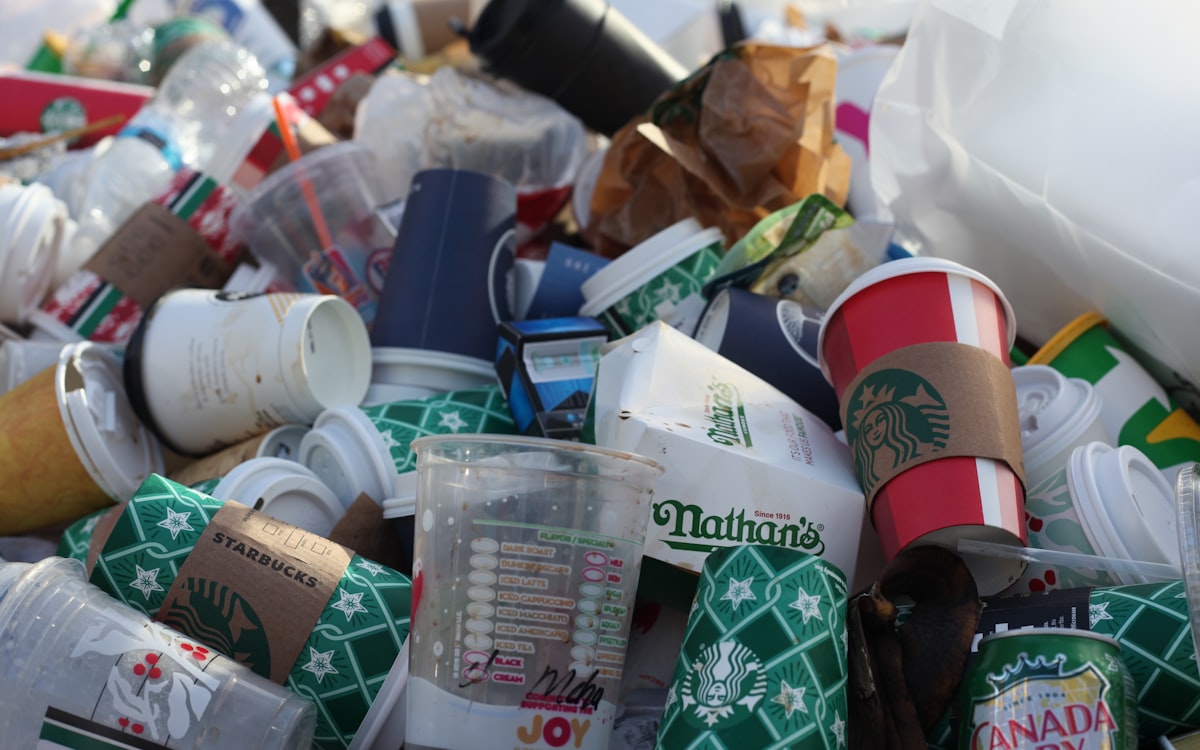
There is a quieter benefit here too. Containers that let you see and reach your leftovers are one of the simplest ways to actually eat what you bought. That matters more than it sounds: households throw away the largest share of the world’s wasted food, around 60 percent of it on UN estimates, and most of that is ordinary food that was simply forgotten or left to spoil. The same report puts household waste at about 79 kilograms per person each year, which adds up to roughly a billion meals binned across the world every single day. A clear box at eye level does more against that than any amount of good intention.
Trusting your senses over the printed date
Half the battle with leftovers is knowing what is still good, and the labels are less help than most people assume. In the United States, apart from infant formula, date labels are not required by federal law and are not safety indicators. A phrase like “Best if Used By” speaks to quality, not safety: food that shows no sign of spoilage is generally fine to eat past it. Clear containers help here, because you can see and smell what is inside before deciding, rather than throwing out a perfectly good portion on the strength of a printed date. Label the lid with the day you cooked something and let your eyes and nose make the final call, and a surprising amount of food stops going in the bin out of caution alone.
One good cloth tea towel per two days
Paper towels are among the largest disposable items in a modern kitchen, and most of what they do can be handled by cloth. A small rotation of cotton tea towels dries produce, wipes counters and soaks up spills perfectly well, then goes in with the rest of your laundry on a normal cycle. Four to six is plenty for most households: enough to rotate without running out before wash day, but not so many that they pile up unused at the back of a drawer. It helps to give each towel a job, a drying cloth, a hands cloth, a mopping-up cloth, so a stained one bothers you far less. Thin waffle weave or linen dries faster between uses than heavy terry, and a cloth that dries quickly is the one that never turns sour.
A reusable coffee filter or cafetiere
For anyone who drinks coffee daily, a metal or cloth reusable filter removes a steady stream of paper from the bin over the years. A cafetiere does the same job with even less fuss and nothing to replace at all. Any difference in taste comes mostly from the brewing method rather than the filter itself, so choose whichever suits your morning and stick with it. The one habit that keeps either working is a quick rinse straight after use, before grounds have a chance to dry on and clog the mesh. Spent grounds are worth saving rather than binning: they go straight onto the compost heap, where, already wet and broken down, they rot quickly into the same soil-improving material.
Cotton produce bags
Light, washable and useful only if you actually remember them. The trick is not owning them but keeping a small set permanently inside your main shopping bag, so they travel without a second thought. A drawer full of pristine produce bags you forget every week is not saving anything. Choose lightweight ones if your shop weighs loose produce, since a heavy bag quietly adds to the price of everything inside it. Wash them inside out every few weeks and let them dry fully before folding them away, so they never go back into the bag damp.
A decent knife and a cutting board
This is rarely filed under reusables, but a sharp knife is one of the most quietly sustainable tools a kitchen can own. It makes cooking from whole ingredients easy rather than a chore, which nudges you away from pre-cut, pre-packaged versions wrapped in plastic. Cooking from scratch also tends to mean using more of what you buy: the trimmings, the stalks, the slightly tired vegetable at the back of the drawer. That connects to the bigger picture, because food that ends up in landfill is responsible for the majority of the fugitive methane those sites release. Food scraps make up close to a quarter of everything sent to landfill in the United States, so cooking in a way that leaves fewer of them behind reaches well beyond your own bin.
A worked example makes the point. A whole chicken, jointed at home with a decent knife, yields portions for several meals and a carcass for stock, all without the plastic trays that pre-cut pieces arrive in. Vegetable ends, onion skins and herb stalks that would otherwise be binned go into the same stock pot, and whatever is left after simmering goes on the compost rather than to landfill, where it would be adding to that methane. One knife and one board, kept sharp and clean, quietly replace years of convenience packaging and a good deal of waste along with it.
What is worth skipping
Not everything sold as sustainable earns its place. Reusable straws beyond one or two per household. Designer compost crocks that do nothing a lidded tub cannot. Branded “zero waste kits” that bundle twelve items most kitchens already own. Silicone food bags, which genuinely work but rarely replace something you needed badly enough to justify the cost. Bamboo cutlery sets that live, permanently unused, in a drawer. None of these are harmful; they simply add objects without removing disposables, which is the opposite of the point. The manufacture of every one of them carried a cost in energy and materials, and an item that never displaces a disposable never earns that cost back.
The most common mistake
The biggest error with reusables is buying them all at once. The shop feels productive, the kitchen looks organised for a fortnight, and then half the items go untouched. A better approach is to replace things one at a time, as you exhaust their disposable equivalents. Run out of clingfilm, buy the wraps. Finish the last roll of sandwich bags, buy the containers. Each reusable then arrives to fill a real gap rather than to sit on a shelf waiting for a use to be found for it.
The quiet sustainability test
There is one question worth asking of any reusable before it comes home: does this replace something I was using disposably this week? If the answer is a clear yes, it is a sound purchase. If the answer is “well, I might start using less of X”, treat the item as decorative until it proves otherwise. A genuinely sustainable kitchen is quietly suspicious of new things, including new sustainable things, because the greenest item is almost always the one you already own and already use.
Frequently Asked Questions
How long do beeswax wraps actually last?
Around a year of daily use, often longer with care. Hand wash with cool water and mild soap. Avoid heat sources. When they finally lose their tack, they can be composted.
Are glass containers safer than plastic?
For long-term storage and reheating, glass is more inert and does not stain or absorb flavours. For freezing irregular shapes or transport, sturdy plastic still has its uses.
How many tea towels do I need?
For most households, four to six. Enough to rotate without running out before the next wash. More than that and they pile up unused.
Is buying second-hand reusables a good idea?
Often yes. Cast iron, knives, glass containers and well-made cookware are common second-hand finds and reduce demand for new production.
What is the single best first reusable to buy?
For most households, a set of clear glass containers. They replace cling film, takeaway boxes, sandwich bags and several other disposables in one move.