Most people in Britain can recite “five a day” without pausing, yet far fewer could say where the figure comes from, what actually counts towards it, or why fruit and vegetables earn a target when other foods do not. The number is not arbitrary, and it is not a slogan dreamt up by supermarkets. It rests on public health advice that has stayed consistent for years, and once the logic is clear, reaching it becomes a matter of routine rather than daily arithmetic.
Where the target comes from
The starting point is guidance from the World Health Organization, whose healthy diet advice recommends eating at least 400 g of fruit and vegetables a day, described as five portions. That single figure is the backbone of the five-a-day campaigns run in the UK and many other countries. The portions framing exists because five separate helpings spread across a day are easier to picture than a weight you would otherwise have to hunt for on packaging. Nobody expects you to weigh a banana; the point is to translate a research-backed quantity into something you can judge by eye.
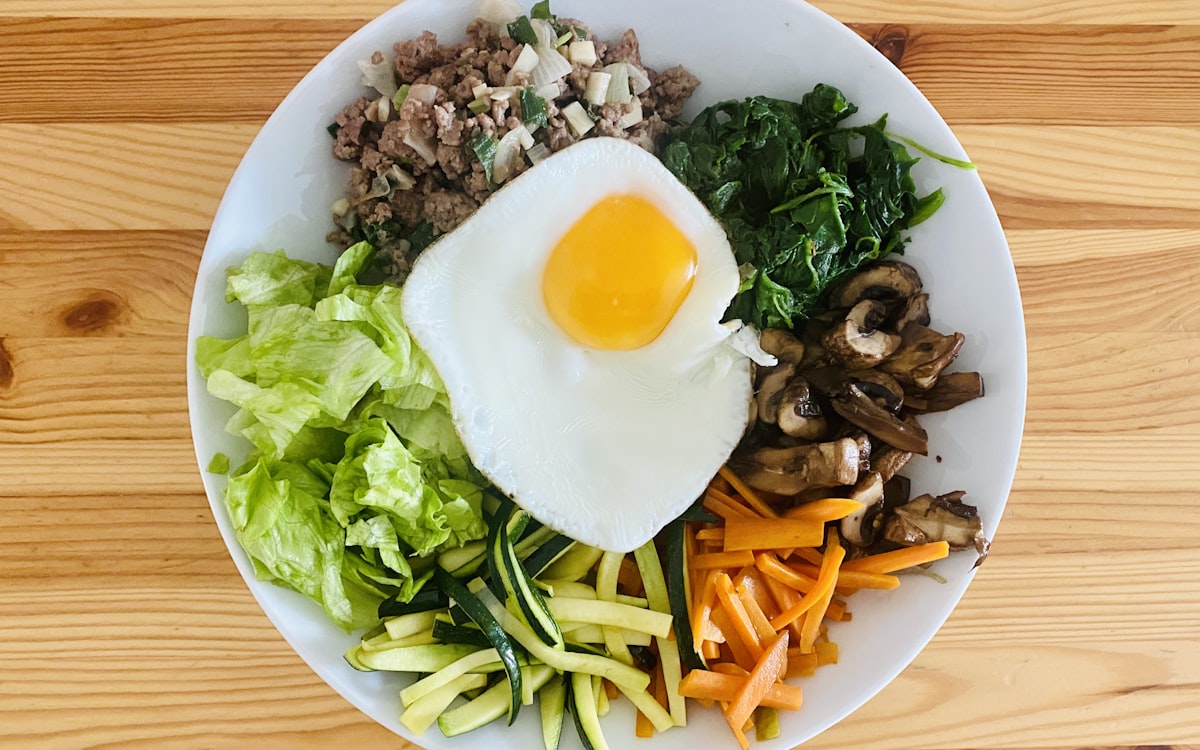
It helps to treat the target as one plank of a wider set of advice rather than a rule standing on its own. The same WHO guidance pairs the fruit and vegetable goal with limits elsewhere: keeping free sugars under 10 percent of daily energy, and ideally under 5 percent, and holding salt under 5 g a day. Produce, sugar and salt are considered together because a genuinely healthy pattern of eating depends on the balance between them, not on any one number in isolation. Meeting the fruit and veg goal while drowning everything in salt or sugar rather misses the point.
The two limits are worth understanding in their own right, because they change how you read a label. Free sugars are those added to food or naturally present in things like honey and fruit juice, as opposed to the sugars locked inside whole fruit and vegetables, which is one reason whole produce is treated so differently from juice. The salt figure covers everything on the plate, and most of it arrives hidden in bread, sauces, cured meats and ready meals rather than from the pinch you add while cooking. Seen together, the three numbers describe a direction of travel: more plants, less added sugar, less salt. The fruit and veg target is simply the part of that direction that comes with a friendly slogan attached.
What actually counts
This is where most of the confusion lives. The target is deliberately generous about form. Fresh produce counts, but so does frozen, tinned and dried. A bag of frozen peas or a tin of chopped tomatoes is not a lesser option; freezing and canning happen quickly after harvest and preserve most of the nutrition. Dried fruit counts as well, though because the sugars are concentrated it is sensible to keep portions modest and to eat it with meals rather than grazing on it. That last point ties directly back to the free sugars limit: a handful of raisins eaten slowly through an afternoon behaves very differently from the same raisins folded into a bowl of porridge.
A few things trip people up. Potatoes do not count, because they are treated as a starchy staple in the same bracket as bread, rice and pasta rather than as a vegetable for this purpose. Sweet potatoes, parsnips and other starchy roots eaten as a side dish do count. Beans and pulses count too, but only as a single portion however large the serving, on the grounds that they are lower in the range of nutrients the target is trying to encourage. Fruit juice and smoothies are limited to one portion between them across the day, regardless of how many glasses you drink, because blending and juicing release sugars and remove much of the fibre.
As for what a portion looks like, the practical shorthand is a cupped handful. For most whole fruit and veg that is roughly a piece of fruit, or a serving of cooked vegetables that would sit comfortably in one hand. Smaller fruits gather in a loose handful, a couple of florets of broccoli make a portion, and a bowl of salad leaves counts as one even though it looks like a lot on the plate. You do not need scales; the point of the portions language is to let you estimate by eye and get on with your day.
A day that adds up on its own
It is easier to trust the target once you see it fall into place across ordinary meals. Picture a normal day. Breakfast is porridge with a chopped banana and a scattering of berries, which is already two portions before you have properly woken up. A tin of chopped tomatoes and a handful of spinach stirred into a lunchtime pasta sauce brings a third and a fourth. A side of peas or a small salad with the evening meal makes five, and beans in a stew would carry you past it. Nothing there involves counting during the day; the counting has already been designed into the shape of the meals. That is the whole trick, and it is why people who hit the target reliably rarely think about the number at all.
Why plants, and why a target at all
Fruit and vegetables earn their own goal because they deliver a combination that little else provides at the same time: fibre, a wide spread of vitamins and minerals, and generally low energy density, meaning a satisfying amount of food for relatively few calories. Fibre in particular does quiet work that no supplement replicates, feeding gut bacteria and slowing the release of sugars, which is part of why whole fruit is treated more kindly than the juice pressed from it. A target exists rather than a vague nudge because vague nudges rarely change behaviour. A concrete figure gives people something to aim at and to notice when they fall short, which is why the number has proved so durable across decades of campaigns.
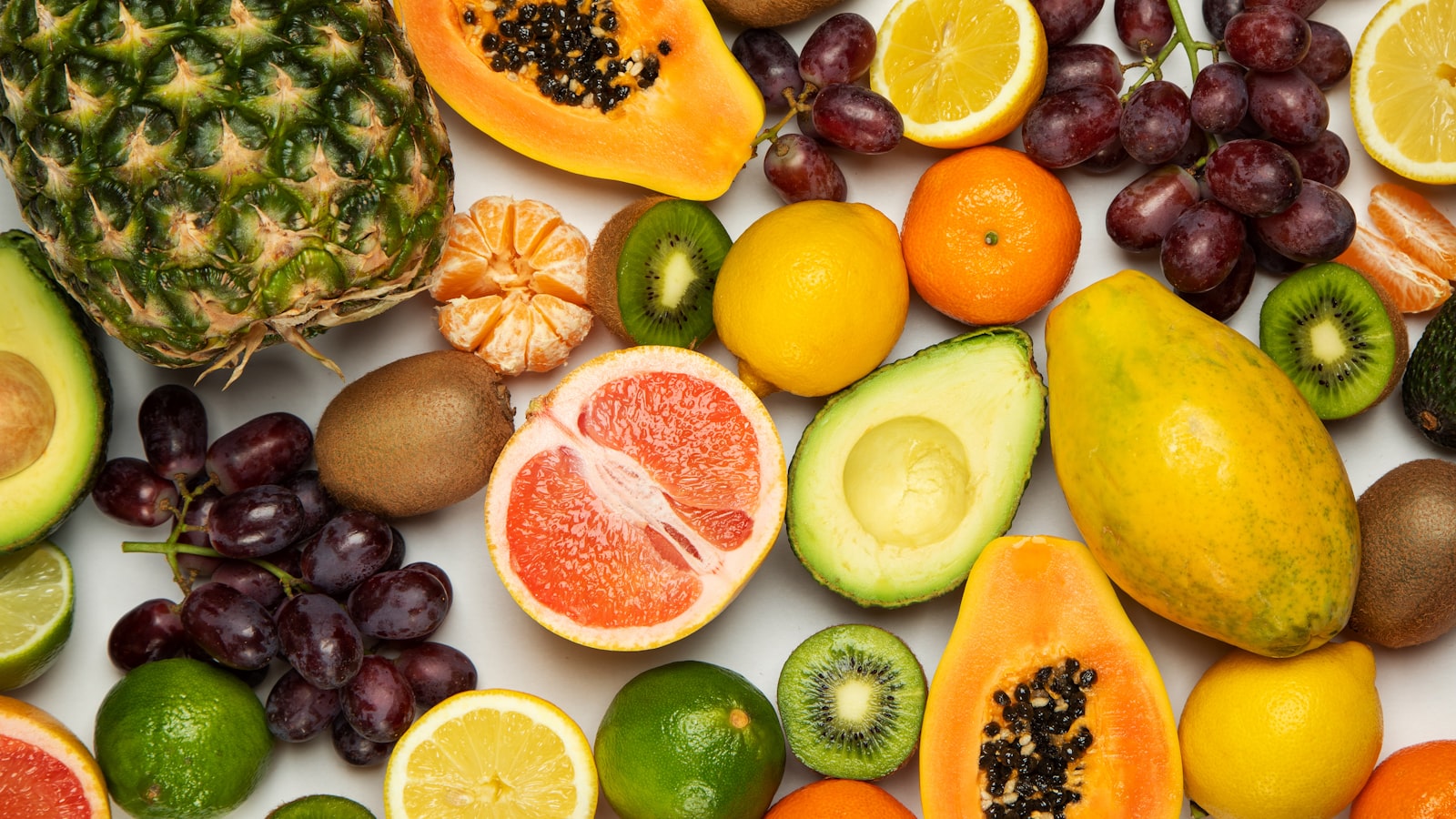
It is worth being honest that five is a floor, not a ceiling. The WHO phrasing is “at least”, and there is nothing to be gained by stopping at exactly five if more comes naturally. Variety matters as much as quantity. Different colours and types of produce carry different nutrients, so a plate that changes through the week does more than the same two vegetables on repeat. A simple habit is to think in colours rather than counts: something red, something green and something orange across a day will drag your variety upwards without any conscious effort to diversify.
Hitting it without thinking too hard
The people who reach the target reliably tend not to count at all. They build it into the shape of each meal instead. A few habits do most of the work:
- Add one portion to things you already make. A handful of spinach stirred into a curry or pasta sauce disappears into the dish and asks nothing extra of you.
- Let breakfast carry one or two. Fruit on porridge or with yoghurt is an easy way to start the day already partway there.
- Keep frozen veg in the freezer as your safety net. It cooks in minutes, never goes off before you reach it, and counts exactly the same as fresh.
- Make vegetables the base of a meal now and then rather than the garnish. A soup, a traybake or a stir-fry can cover several portions in one sitting.
- Treat tinned pulses as a fast half-portion of protein and fibre in stews, salads and pasta.
- Prep once for several days. A tray of roasted vegetables cooked on a Sunday can be spread across lunches, so the effort is spent once rather than every evening.
Framed this way, the target stops being a chore and becomes the natural result of building meals around plants rather than bolting them on at the end. It also removes the sense of failure that comes from counting: if a meal is built around vegetables, you can stop tallying and trust that the day will land in roughly the right place.
Buying more without wasting more
There is a catch worth naming. Deciding to eat more fruit and veg usually means buying more perishable food, and perishable food is exactly what tends to rot at the back of the fridge. This matters beyond your own budget. According to the UN Environment Programme’s Food Waste Index Report 2024, households are responsible for 60 percent of all food wasted globally, around 631 million tonnes in 2022, and the same report estimates roughly a billion meals are thrown away worldwide every single day. Homes, in other words, are the largest single source of the problem, not shops or restaurants.
The report also puts household waste at about 79 kilograms of food per person each year, and fresh produce makes up a good share of that in practice because it spoils fast and is easy to over-buy with good intentions. So the sensible move is to raise your fruit and veg intake and your care in equal measure. Shop a little more often for the fresh items you will eat within a few days, and lean on frozen and tinned for the rest, since they wait patiently until you need them. Plan a couple of meals around what is already open before buying more. Store leaves and herbs properly, and treat slightly tired vegetables as the starting point for soup rather than a reason to reach for the bin.
A few practical guards keep good intentions from turning into waste. Buy the sturdy staples that keep for weeks, such as carrots, cabbage and onions, in the same trip as the delicate items you will eat first, and eat them in that order. Move anything wilting to the front of a shelf so it is in sight. Freeze bananas and berries that are turning rather than letting them go, since they are perfect for later cooking. Because frozen and tinned produce count exactly the same towards the target, they are the honest answer to the waste problem: they let you hit five a day on the days when fresh food would have quietly spoiled first.
Done this way, meeting the fruit and vegetable target does two useful things at once. It nudges your own eating towards the balance the WHO guidance is aiming for, and it does so without quietly adding to a waste problem that households already dominate. Five a day is a genuinely good target. It is at its best when the food you buy to reach it actually gets eaten.
Frequently Asked Questions
Does the target mean 400 g or five portions? Are they the same thing?
They describe the same goal from two angles. The World Health Organization advises at least 400 g of fruit and vegetables a day, and the five-portions framing simply splits that weight into helpings that are easier to picture across meals. You do not need to weigh anything; aiming for roughly five cupped handfuls of produce a day gets you there.
Why don't potatoes count towards five a day?
Potatoes are classed as a starchy staple in the same bracket as bread, rice and pasta rather than as a vegetable for this purpose, so they do not count. Starchy roots eaten as a side dish, such as sweet potatoes and parsnips, do count. It is a category decision about the role potatoes usually play on the plate, not a judgement that they are unhealthy.
Do frozen and tinned vegetables count as much as fresh ones?
Yes, they count exactly the same. Freezing and canning happen quickly after harvest and preserve most of the nutrition, so a bag of frozen peas or a tin of chopped tomatoes is not a lesser option. Because they keep for a long time, they are also the most reliable way to hit the target on days when fresh produce would have spoiled.
Why is fruit juice limited to only one portion a day?
Juicing and blending release the sugars held inside the fruit and remove much of the fibre, so juice and smoothies are capped at one portion between them however many glasses you drink. This lines up with the wider WHO advice to keep free sugars under 10 percent of daily energy, and ideally under 5 percent. Whole fruit, where the sugars stay locked in and the fibre is intact, has no such cap.
Is five a day the maximum I should aim for?
No, it is a floor rather than a ceiling. The WHO phrasing is at least 400 g, so there is nothing wrong with eating more if it comes naturally. Variety matters alongside quantity, because different colours and types of produce carry different nutrients, so a changing plate through the week does more than the same two vegetables on repeat.