Batch cooking is one of the most dependable ways to eat well without standing over the hob every evening, but it only works if the food you set aside actually keeps. The freezer is the tool that makes it possible: it stops the clock on most cooked dishes, so a single afternoon of chopping and simmering can quietly feed you for weeks. This is a working reference for freezing properly, covering the temperatures to hold, what freezes cleanly and what falls apart, how to plan a session, how to pack and label, and how to thaw without taking chances.
It is worth being clear about why this matters beyond the convenience. Wasted food is not a small domestic footnote. According to the UN Environment Programme’s Food Waste Index Report 2024, households throw away around 79 kilograms of food per person each year and are responsible for 60 percent of all food wasted worldwide, roughly 631 million tonnes in 2022. Put another way, close to a billion meals are binned every single day. A freezer used with a little method is one of the simplest answers a household has to that, because it lets you cook to a plan and rescue the surplus before it ever reaches the bin.
The temperatures that decide everything
Freezing is about holding a steady, low temperature rather than simply being “cold enough”. The US FoodSafety.gov cold food storage guidance sets the freezer at 0F (-18C) and the refrigerator at 40F (4C) or below. At 0F the water in food is fully frozen and the microbes that cause spoilage and illness cannot multiply. Food does not improve in a freezer, but at that temperature it effectively stops getting worse in any way that affects safety. A cheap fridge or freezer thermometer removes the guesswork, since appliance dials are vague and door shelves run warmer than the middle.
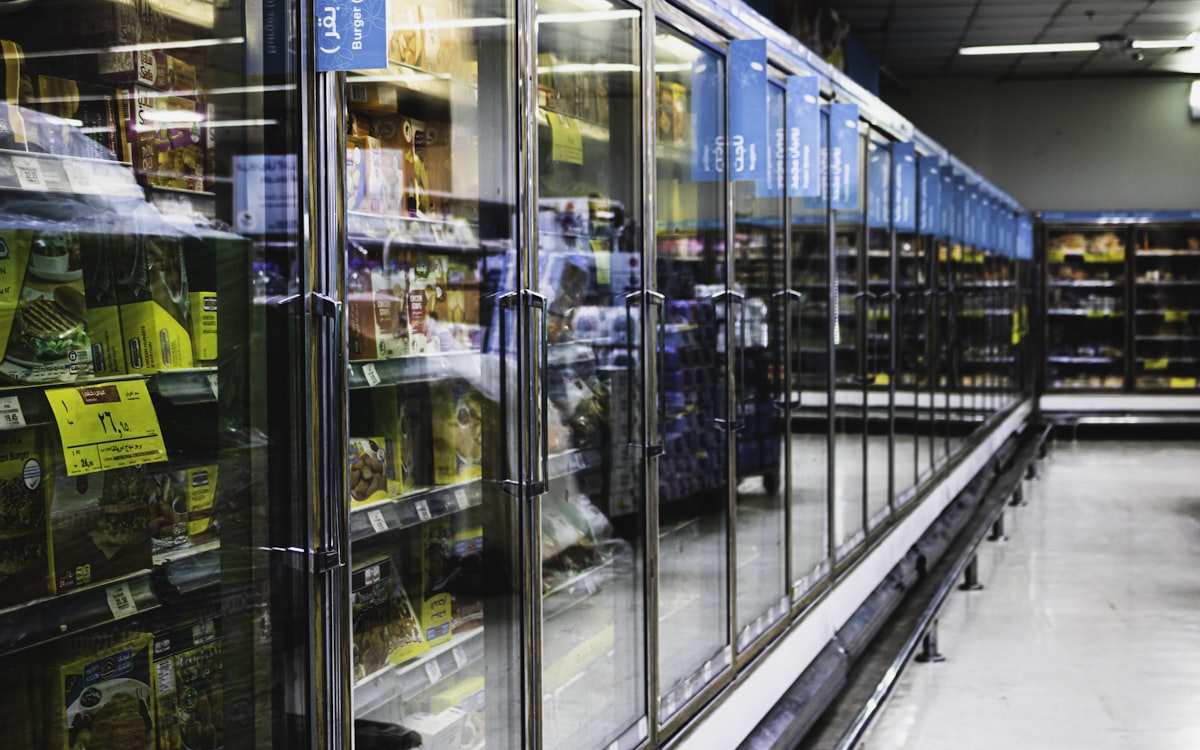
The gap between cooking and freezing is where most trouble begins. Perishable food should not sit at room temperature for more than two hours, and no longer than one hour once the room is above 90F, because that is the range in which bacteria grow quickly. Treat that two-hour window as a hard limit rather than a target: a pot left cooling on the side while you eat and clear up can quietly cross it before it ever reaches the freezer. The clock includes every minute the food is warm, so serving time, cooling time and packing time all count towards it.
Planning a session that freezes well
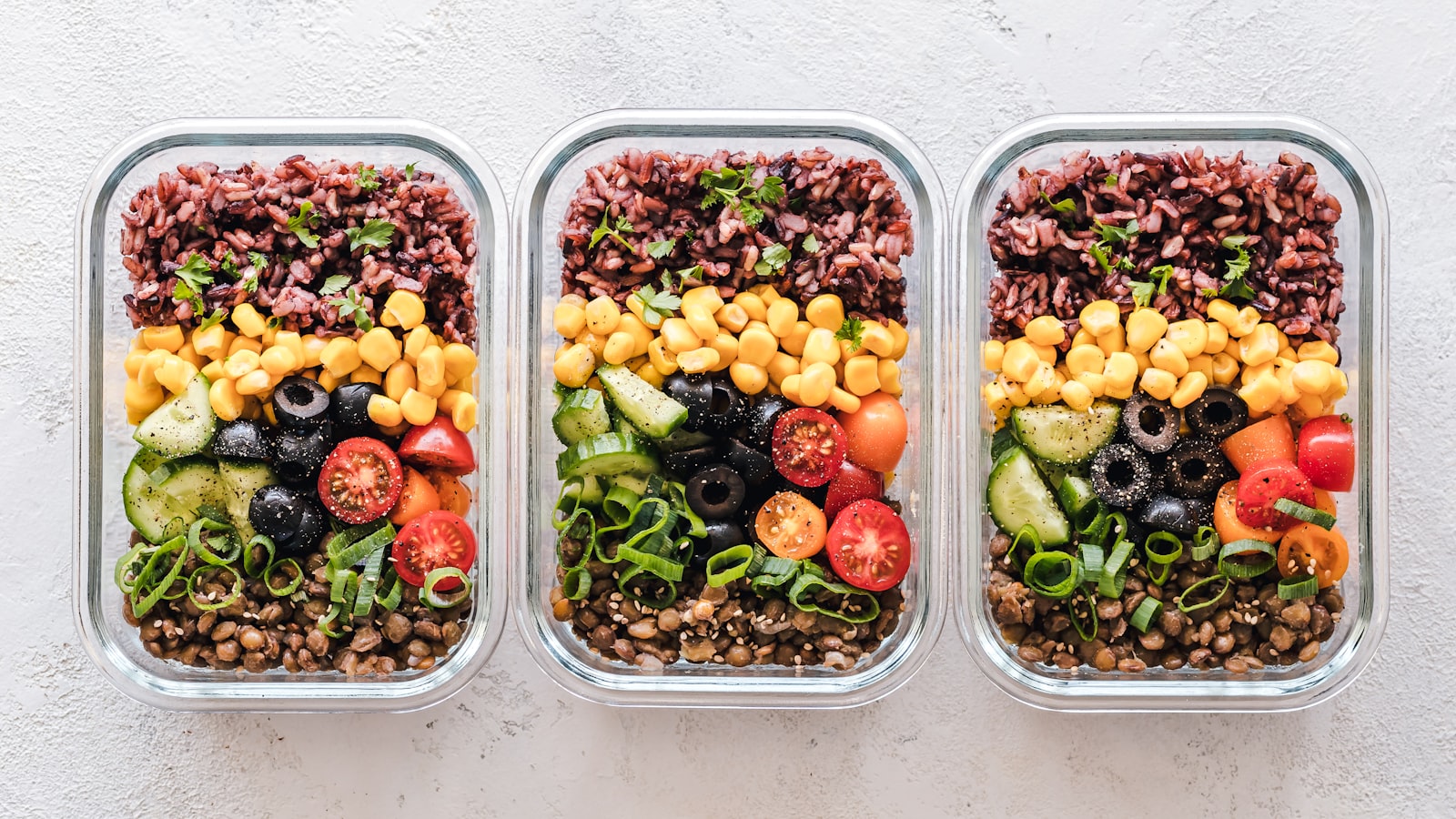
A batch session runs more smoothly when you choose recipes with the freezer in mind from the start. Dishes built around a sauce, a stew or a braise scale up easily and reheat forgivingly, so they are the natural backbone of a cooking afternoon. A practical rhythm is to pick one or two base dishes that share ingredients: a large pot of tomato and lentil sauce, for instance, can become a pasta bake one week and the base of a soup the next. Cooking components rather than only finished meals gives you more flexibility later, since a tray of roasted vegetables, a batch of cooked chickpeas and a pot of rice can be combined in several directions once thawed.
Season a little lightly if you can. Salt, chilli and garlic can taste stronger after freezing and reheating, so it is easier to adjust at the point of serving than to rescue a dish that has concentrated in flavour. Undercooking pasta, rice and vegetables very slightly also helps, because they soften further when reheated and can otherwise turn mushy. Think of the batch as raw material for future meals rather than the finished article, and you give yourself room to correct at the end.
What freezes well, and what does not
Most of the things people batch cook are exactly the things that freeze best. The freezer rewards dishes that are already wet, already cooked, and forgiving about texture.
Foods that freeze cleanly
- Soups, stews, curries, chilli, bolognese and most cooked sauces
- Cooked pulses, beans and lentils, drained and cooled
- Stock and cooking liquor, ideally in portions you would actually use
- Bread, rolls, part-baked items, and most cakes and biscuits
- Raw meat and fish, and cooked meat destined for reheated dishes
- Blanched vegetables such as peas, beans, broccoli and greens
- Grated cheese, which freezes loose and scatters straight into cooking
- Cooked rice and grains, provided they are cooled quickly and frozen promptly
Foods that struggle
- Salad leaves, cucumber and other watery raw vegetables, which turn limp and weep once thawed
- Plain dairy such as cream, soft cheese and yoghurt, which tends to split and separate
- Egg-based sauces, custards and anything thickened with cornflour, which can go grainy or watery
- Mayonnaise and dressings, which break
- Fried and battered food, which loses its crispness and reheats soft
- Whole boiled or roast potatoes, which can turn mealy, though mashed potato with plenty of fat freezes far better
The pattern is straightforward once you notice it. Delicate, high-water structures suffer because freezing forms ice crystals that puncture cell walls, and the damage shows up as sogginess on thawing. Dishes with fat, starch and sauce hide that damage well, which is why a curry survives the freezer far more gracefully than a green salad.
Why blanching matters for vegetables
Raw vegetables carry natural enzymes that keep working even in the freezer, slowly dulling colour, flavour and texture over the months. Blanching, a brief plunge into boiling water followed straight away by an ice bath to stop the cooking, knocks those enzymes back so the vegetable holds its condition. Drain and dry the pieces well before freezing, then spread them on a tray to freeze loose before bagging, which stops them clumping into one solid mass. Peas, beans, broccoli, cauliflower and leafy greens all take to this. Softer items such as sliced peppers or mushrooms can be frozen without blanching if you plan to cook them into a dish rather than serve them as they are.
Cooling and packing before it goes in
How you get food into the freezer shapes how well it comes out. Cool cooked food quickly rather than leaving it to drift down to room temperature over the evening. Spreading it into shallow containers, dividing a big pot into smaller ones, or sitting a hot pan in a shallow bath of cold water all speed this up and help you stay inside that two-hour window. Stirring a large pot every so often as it sits in the cold water releases the heat trapped in the middle. Do not put steaming food straight into the freezer, as it warms everything around it and can nudge nearby items out of safe range.
Portion before you freeze, not after. Freezing in meal-sized amounts means you thaw only what you need and never have to prise a single serving off a solid block. Push out as much air as you can, since air causes freezer burn and stale flavours, but leave a little headspace in anything liquid because it expands as it freezes. Flat freezer bags laid down to set solid freeze fast, thaw fast, and stack like books.
Containers earn their place in different ways. Rigid boxes protect soft items and stack neatly, but they take up the same room whether full or nearly empty. Freezer bags mould to their contents and lie flat, which suits sauces, soups and portioned mince. Silicone or metal trays are useful for freezing small amounts, such as stock or leftover tomato paste, into cubes you can decant into a bag once solid. Whatever you use, choose something genuinely freezer rated, because thin containers and ordinary sandwich bags crack and let air in.
How long things actually keep
There are two clocks running, and it helps to keep them separate. One is safety and the other is quality. Held steadily at 0F (-18C), food stays safe well beyond the point at which it still tastes its best. What declines over the months is texture, colour and flavour, not necessarily safety, so an old container is more likely to be disappointing than dangerous. For that reason the most useful habit is simply labelling: write the contents and the date it went in, and keep a loose rotation so older items get used first.
A little organisation makes that rotation actually happen. Grouping the freezer into rough zones, one area for cooked meals, one for raw ingredients, one for bread and baking, means you can find things without holding the door open while everything warms. A running list on the door of what is inside saves both time and forgotten dinners at the back. First in, first out is the whole system: newest at the back, oldest at the front, so nothing quietly outlives its best quality.
The tighter clock belongs to the fridge. FoodSafety.gov puts cooked leftovers at 3 to 4 days refrigerated, and that same limit applies once you have thawed and reheated something from the freezer. In other words, the freezer buys you long-term storage, but the moment food is back in the fridge it is on that short countdown again. Plan around it: pull a portion out to thaw only when you know you will eat it within a few days.
Thawing without taking chances
Thawing is the step most people rush, and it is where safe food can quietly become unsafe. The reliable method is the fridge. Move a portion from freezer to fridge the night before you want it, and it defrosts while staying at or below 40F (4C), never entering the temperature range where bacteria thrive. It is slower, which is exactly why it is safe.
When you need speed, submerge a well-sealed bag in cold water and change the water as it warms, or use the microwave’s defrost setting and then cook the food straight away. What you should not do is leave food to thaw on the worktop. The outside reaches room temperature long before the middle has softened, and the surface can sit in the danger zone for hours. Many batch-cooked dishes skip thawing altogether: soups, stews, sauces and portions of chilli can go from frozen straight into a pan or oven, needing only a little longer and a good stir to break up.
Reheating and the question of refreezing
Reheat thoroughly until the food is piping hot all the way through, not just warm at the edges, and stir partway so there are no cold pockets left in the middle. This matters most with dense dishes and anything containing rice or meat.
Refreezing causes a lot of needless worry, so it is worth stating plainly. Food that thawed in the fridge and stayed cold can be refrozen safely, though it loses a little quality each time as more ice crystals form. Food that thawed on the counter or in warm water should not go back in. And once you have actively reheated a dish, treat it as a fresh leftover on the 3 to 4 day fridge clock rather than something to freeze again. The least wasteful rhythm is to freeze in the portions you eat, so each one is thawed, heated and finished in a single go.
When the freezer fails
Power cuts and broken appliances happen, and knowing the rule in advance saves a panicked decision later. Keep the door shut: a full freezer holds its cold far longer than a half-empty one, because the frozen food itself acts as a store of cold. This is one quiet argument for keeping the freezer reasonably full, even if only with bottles of water in the gaps. When power returns, judge each item rather than the freezer as a whole. Food that still holds ice crystals and has stayed at or below 40F (4C) can be refrozen, though the quality may drop. Anything that has warmed past that point, or that you simply cannot vouch for, is safer discarded than risked.
None of this is complicated once the logic is clear: hold the cold steadily, keep food moving out of the danger zone quickly, and respect the short clock every time food is warm. Do that, and a freezer turns an afternoon of cooking into a fortnight of meals, with far less thrown away.
Frequently Asked Questions
Can you freeze cooked rice, and how should it be done?
Yes, cooked rice freezes well as long as you cool it quickly and freeze it promptly rather than leaving it standing warm. Freeze it in portions, then reheat it until it is piping hot all the way through and eat it in one go. Once thawed and back in the fridge it keeps only 3 to 4 days, so treat it like any other leftover.
How long does frozen food stay safe to eat?
Held steadily at 0F (-18C), food stays safe more or less indefinitely, because bacteria cannot multiply at that temperature. What changes over the months is quality: texture, colour and flavour slowly fade, so an old container is more likely to disappoint than to harm. Labelling with the date and using older items first keeps everything at its best.
Is it safe to refreeze food that I have thawed?
Food that thawed in the fridge and stayed cold, still holding ice crystals and at or below 40F (4C), can be refrozen, although it loses a little quality each time. Food that thawed on the counter or in warm water should not go back in the freezer. Once you have actively reheated a dish, treat it as a fresh leftover rather than refreezing it.
Why is thawing food on the kitchen counter risky?
On the counter the outside of the food reaches room temperature long before the middle has softened, and that surface can sit in the range where bacteria grow for hours. Safer methods are thawing in the fridge overnight, submerging a sealed bag in cold water, or using the microwave and then cooking straight away. Many soups and stews can also go from frozen straight into the pan, skipping thawing entirely.
How soon after cooking should food go into the freezer?
Perishable food should not sit at room temperature for more than two hours, or more than one hour if the room is above 90F, so aim to cool and pack it well within that window. Spreading it into shallow containers or sitting the pan in a bath of cold water speeds the cooling. Do not put steaming food straight into the freezer, as it warms whatever is stored around it.