The photogenic version of breakfast is a long production with a shopping list to match. The version that survives an ordinary working week is much smaller. Three reliable patterns cover almost every weekday, take only a few minutes each, and quietly do the job breakfast is meant to do: get you to lunch without a mid-morning slump. The trick is not variety for its own sake. It is having a small number of defaults you can run half awake.
Most breakfast plans fail not because people lack recipes but because a tired brain does not want to make decisions first thing. Every choice you remove from the morning is one less thing to negotiate with yourself, so a default you can reach for without thinking beats an ambitious plan you abandon by Wednesday. The three patterns below are built to be exactly that: forgiving, flexible, and quick enough that skipping them is never the easier option.
Pattern one: oats with real toppings
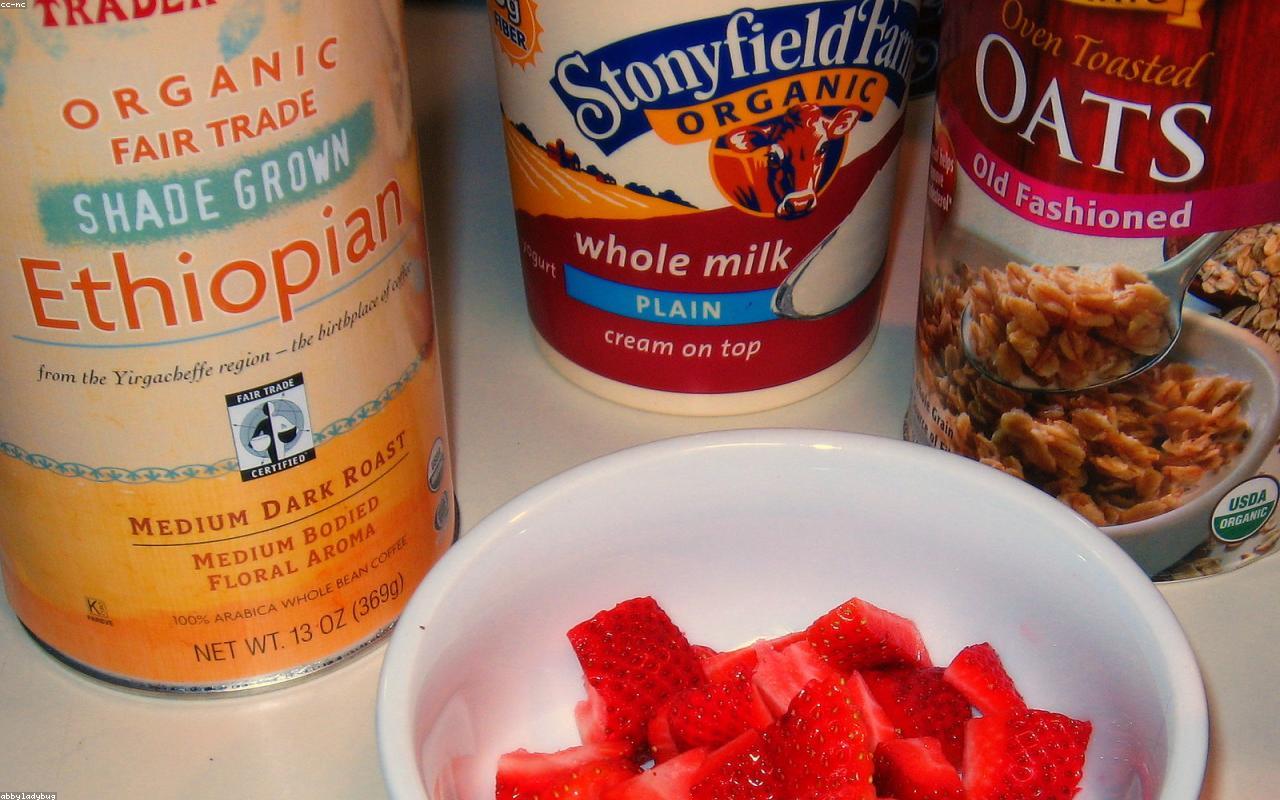
Rolled oats cooked with water or milk, topped with whatever fruit is to hand and a spoonful of nuts or seeds. About six minutes on the hob. Filling, high in fibre, and endlessly variable as the seasons turn. The oats stay constant; the toppings shift through the year, from frozen berries in the colder months to fresh stone fruit in summer. If even six minutes feels like too much, soak the oats in milk or yoghurt overnight and eat them cold. Once oats are a default, you stop deciding and simply cook.
To cook them on the hob, cover the oats with milk or water and stir over a gentle heat until they turn creamy, adding a splash more liquid if they thicken too fast. For the overnight version, combine the oats with enough milk or yoghurt to cover them, add fruit and seeds, and leave the jar in the fridge until morning. A few worked examples keep it from getting dull: in winter, frozen berries warmed through the oats with a spoon of peanut butter stirred in and a scatter of pumpkin seeds; in summer, sliced peach or nectarine with flaked almonds; year round, mashed banana, a pinch of cinnamon and chopped walnuts. The base never changes, so the only decision left is what is ripe or cheap that week.
Pattern two: toast with a smart topping
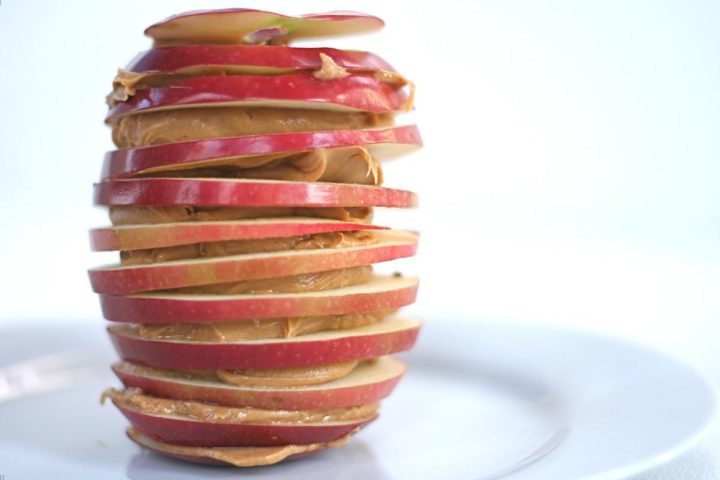
Wholegrain toast carries almost anything worth eating. Peanut butter and sliced banana. Mashed avocado with salt and a squeeze of lemon. Cottage cheese with tomato. A quick scrambled egg. Five minutes, substantial, and no special ingredients required. The bread is only the base; the topping is where the variety and most of the protein come from, so keep two or three toppings you genuinely like within easy reach. Bread also freezes well and toasts straight from frozen, which means you rarely run out mid-week.
The toppings worth keeping on rotation are the ones that bring protein or good fat, because toast alone will not hold you to lunch. Cottage cheese with sliced tomato and black pepper is quick and high in protein. Mashed avocado with lemon and a few chilli flakes becomes a proper meal with a fried or poached egg on top. Tinned sardines or mackerel mashed with a little lemon make a savoury, protein-heavy option that keeps in the cupboard for weeks.
Pattern three: yoghurt and real food
Plain Greek yoghurt with fruit, nuts, seeds and a small drizzle of honey or maple syrup. Two minutes if everything is already in the fridge, and nothing to cook at all. It is high in protein, it satisfies, and it rotates easily through whatever fruit is cheap and good that week. A large tub is cheaper and less wasteful than individual pots, and it doubles as a base for the overnight oats above. On the busiest mornings, this is the pattern that still happens.
Reach for plain rather than flavoured yoghurt and add the sweetness yourself, so you control how much goes in. The nuts and seeds are not garnish: they are what turns a light snack into something that holds. If mornings are frantic, spoon several portions into jars at the weekend with the dry toppings ready, then add the fruit fresh each day so nothing goes soft.
What the three have in common
None of them asks for special skills or twenty minutes you do not have. Each combines protein, fibre, some fruit and a little fat, which is roughly what a breakfast needs to hold you steady until lunch. All three rotate through the year as ingredients change, so the household is never trapped eating the same thing or chasing a recipe. Between them you have three dependable defaults and never have to think hard about breakfast again. That reclaimed decision-making space is the quiet payoff.
The weekend pattern: eggs and vegetables
When there is time at the weekend, add a fourth option built around eggs and vegetables. Scrambled eggs with spinach. A simple vegetable frittata. An egg on toast with sliced tomato. This is the slower, more enjoyable cook, and it reinforces the weekday simplicity rather than competing with it. The ambitious cooking has a proper home, so it stops leaking into a Tuesday morning where it was always going to fail.
A frittata is the useful one here because it clears the fridge. Soften whatever vegetables are left from the week in an ovenproof pan, pour over beaten eggs, let the base set on the hob, then finish the top under the grill. Leftover roast potato, a handful of spinach going limp, the last of a block of cheese: all of it earns a second life instead of the bin, and a large one leaves cold slices for a weekday.
What does not work as a daily breakfast
Anything that needs a fresh shop mid-week. Anything that runs past ten minutes. Anything the household does not actually enjoy. A realistic breakfast is the one you can defend at seven in the morning, half awake, with a meeting in an hour. Recipes that depend on a perfect avocado bought that day, or an ingredient you use once and then watch go soft, do not survive contact with a real week.
That last point is worth taking seriously beyond the kitchen. Households are the single largest source of the world’s wasted food, accounting for 60 per cent of all food wasted globally, roughly 631 million tonnes in 2022. That works out at about 79 kilograms per person each year, and close to 1 billion meals thrown away worldwide every single day. A breakfast plan built on staples you reliably finish, rather than perishables bought on optimism, is a quiet way to waste less without having to think about it each week.
It also helps to know that the date printed on a jar of peanut butter or a bag of oats is usually about quality, not safety. In the United States, apart from infant formula, most date labels are not required by federal law and are not safety indicators; a “best if used by” date describes when a food is at its best, and staples with no signs of spoilage are generally fine beyond it. That is worth remembering before you bin a nearly full jar over a printed date.
Where the breakfast scraps go
Breakfast is a steady producer of small scraps: banana skins, coffee grounds, eggshells, apple cores, the odd stale crust. Where they end up matters more than their size suggests. Food waste makes up about 24 per cent of everything sent to landfill in the United States, and once buried it breaks down without air and releases methane. Landfilled food waste is responsible for around 58 per cent of the fugitive methane emissions escaping from municipal landfills, a heavy climate cost for something as ordinary as a banana skin.
Composting those same scraps avoids the problem almost entirely. Because a compost heap breaks material down with air rather than without it, the microbes that produce methane never get going, so the methane is avoided altogether. What comes back is useful: finished compost improves soil structure, helps the soil hold on to moisture and nutrients, and cuts the need for fertilisers. A small caddy by the kettle for grounds, peels and shells turns the least glamorous part of breakfast into next year’s garden.
Coffee, and eating to your actual hunger
Coffee is fine. Keep the elaborate coffee rituals for the weekend; on a weekday, simple coffee alongside a real breakfast is plenty. Trying to perfect the coffee and the food at the same time usually means one of them slips, and it is normally the food.
And if you genuinely are not hungry first thing, do not force it. Carry a substantial mid-morning meal instead, built from the same patterns, and eat it when hunger actually arrives. The principle is matching food to real appetite rather than to the clock. What tends not to work is skipping food entirely and then overcompensating with something sweet and quick later in the day.
A pantry that makes breakfast automatic
Keep a short list of staples always in stock: oats, peanut butter, frozen berries, Greek yoghurt, eggs, bread, bananas and nuts. With those in the cupboard and fridge, all three patterns are always possible, and restocking becomes a background habit rather than a weekly puzzle. Most of the list keeps well, which is precisely the point of choosing it.
The way to run it is to restock by the gap, not by the recipe. When the oats are half gone, they go on the list; when the last banana is eaten, bananas go on the list. A staple-led list like this is also the one least likely to send food to the bin, because almost nothing on it spoils before you reach it.
What to skip in the breakfast aisle
Much of the dedicated breakfast aisle is processed food in friendly packaging. Specialty cereals are often heavily refined and sweetened. Bottled smoothies are frequently closer to a soft drink than to fruit, offering less than they appear to. Bars marketed as healthy are, more often than not, nearer to confectionery, and would not earn the label if they were not sold as breakfast. None of these is forbidden, but none earns a daily place when a bowl of yoghurt or a slice of good toast does the job better and for less money.
The calm truth
A healthy breakfast is not a project. It is three reliable patterns a household runs almost without thinking, a weekend option for slower mornings, and a small pantry that keeps them all possible. Lock that in over a few weeks and the mornings get calmer, the food gets better, and the day starts with a small, dependable win that quietly supports everything after it.
Frequently Asked Questions
Are smoothies a good breakfast option?
Sometimes. Homemade smoothies with whole fruit, yogurt and a little protein are fine. Bottled or pre-made smoothies are often heavily sweetened and offer less benefit than they appear to.
Is it okay to eat the same breakfast every day?
Yes. Many healthy eaters do exactly this. Repetition reduces decision fatigue and supports consistent nutrition.
How much protein should breakfast have?
Roughly 15-25 grams works for most adults. Yogurt, eggs, peanut butter and cottage cheese all hit this comfortably in modest portions.
What if I do not have time for any breakfast?
A piece of fruit and a small handful of nuts in your bag covers genuine emergencies. Better than skipping food entirely, which usually leads to overcompensating later.
Are breakfast bars ever a reasonable option?
Some are; many are not. Look for short ingredient lists with recognisable foods. Most commercial bars are highly processed and would not earn the "healthy" label if not marketed as breakfast.