
The wellness world tends to sort food into two bins: whole food is virtuous, processed food is suspect. It is a tidy story, and a misleading one. Many of the most useful items in a well-stocked kitchen are, technically, processed, while the foods genuinely worth limiting form a much narrower category than the broad word “processed” suggests. Getting the distinction right saves money, cuts waste and takes a good deal of anxiety out of the weekly shop.
The three levels of processing
It helps to think in three bands rather than two.
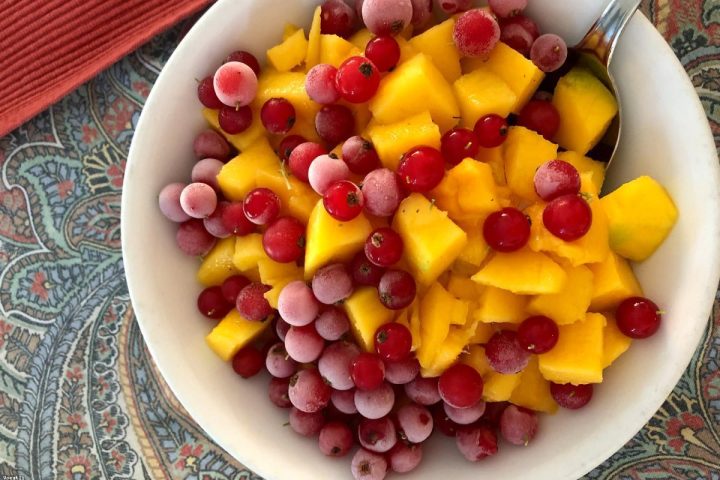
Minimally processed foods have been cleaned, cut, frozen, dried or fermented, with little else done to them. Most tinned beans, frozen vegetables, plain yogurt and dried pasta sit here. These are almost universally fine, and in some cases as good as their fresh equivalents. A bag of frozen peas is peas that were picked and frozen within hours; a tin of chickpeas is chickpeas that have been soaked and cooked for you. Neither has stopped being the food it started as.
Moderately processed foods are combined and modified for flavour, shelf-life or convenience: bread, cheese, simple sauces, many breakfast cereals. Quality varies enormously. A wholemeal loaf with four ingredients and a jarred tomato sauce made of tomatoes, onion, oil and herbs are very different propositions from a sliced white loaf built for softness and a sauce heavy with sugar, yet all four sit in this middle band. The category tells you almost nothing on its own, which is why the ingredient list matters more than the label.
Ultra-processed foods are heavily reformulated with industrial ingredients and additives, and bear little resemblance to the raw materials they started from. Most packaged snack foods, sugary cereals, sweetened drinks and fast food belong here. This is the band that credible nutrition guidance suggests keeping to the edges of a diet.
What “whole food” actually means
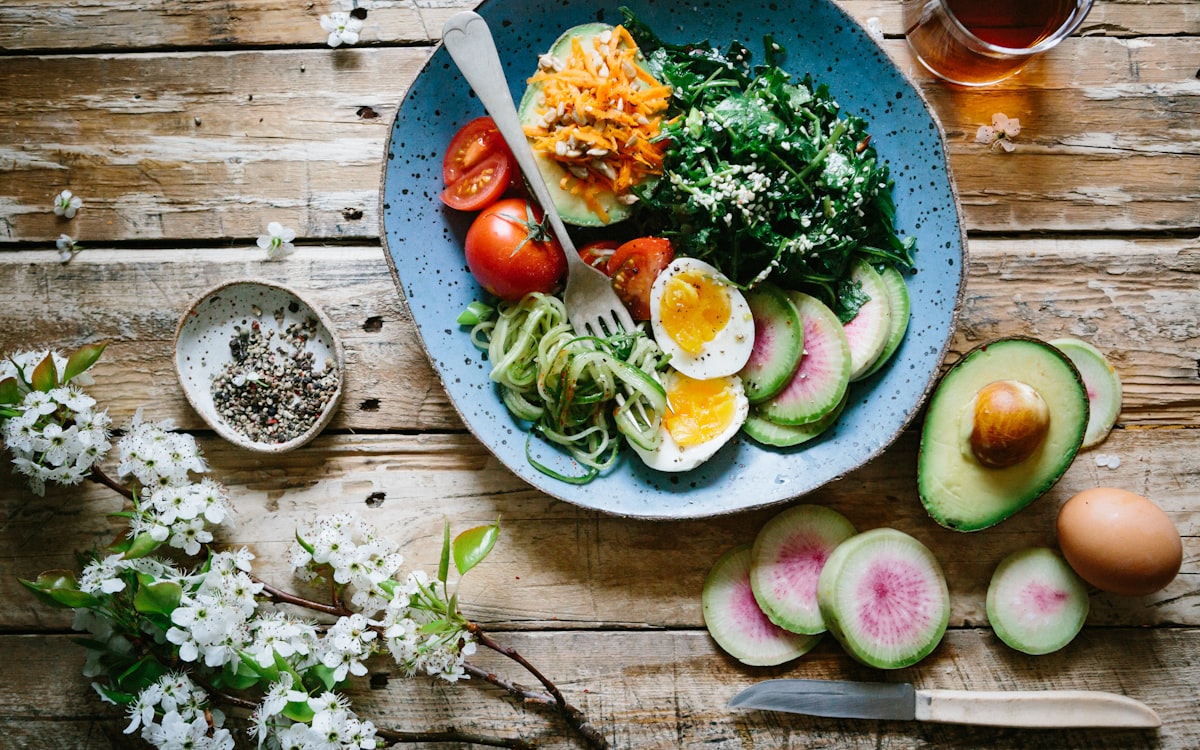
A whole food is one eaten close to its natural form: fresh produce, eggs, plain dairy, fish, meat, beans, whole grains. The line blurs with grains (is cracked wheat whole? milled oats? flour?), but the principle is recognisable: food with minimal modification. Usefully, “whole” and “minimally processed” overlap almost entirely, which is why the two-bin story falls apart. Freezing a pea or tinning a bean is processing, and neither makes the food less wholesome.
The distinction that actually matters
Treating “processed” as a synonym for “unhealthy” is the central mistake. The honest test is the level and purpose of the processing. Tinned tomatoes are worlds apart from a tomato-flavoured crisp, though both are technically processed. Whole-grain bread is not the same thing as a white-flour pastry filled with sugar.
The evidence points the same way. Diets high in ultra-processed foods are consistently associated with poorer health; diets built on minimally and moderately processed foods are not. That is the meaningful line. The World Health Organization’s healthy diet guidance frames it in terms of pattern rather than purity: keep free sugars well down, under a tenth of daily energy and ideally under a twentieth, eat at least 400 g of fruit and vegetables a day, and hold salt under 5 g. Nothing in that advice requires avoiding a tin or a freezer bag. A plate that hits those targets can be built almost entirely from frozen, tinned and dried staples, and often is in households that eat well on a tight budget.
Processing that earns its place
A great deal of processing actively supports good eating. Fermentation gives us yogurt, kimchi and sourdough. Freezing preserves vegetables at their peak, often with more of their vitamins intact than produce that has spent days in transit and on a shelf. Tinning makes beans and pulses cheap, quick and storable. Dried herbs, whole-grain pasta and pre-cooked grains all lean on processing, and all belong in a healthy kitchen.
These foods also happen to be the ones that survive a real week. Fresh produce is on a clock from the moment it is picked; a frozen or tinned version has stopped that clock. The processed staple is frequently the one you actually eat, while the fresh ideal too often goes off before you get to it. That is the difference between planning to eat well and doing it.
Processing that keeps waste down
For a sustainable kitchen this matters twice over, because these same foods cut waste. Households throw away a startling amount of what they buy, roughly 79 kilograms per person each year by the UN’s count, and together they account for about 60 percent of all food wasted worldwide, some 631 million tonnes in a single year. Put another way, the world bins around a billion meals every day. A large share of that is fresh food bought with good intentions and left to spoil.
Frozen and tinned staples last for months rather than days, so they forgive the gap between good intentions and a busy week. A bag of frozen spinach used a handful at a time wastes nothing; a fresh bunch bought hopefully on Sunday too often turns to slime by Thursday. The same logic applies to portioning: freezing bread by the slice, decanting a big tin into a tub for the fridge, or cooking a batch of grains and freezing half all turn a perishable purchase into something you can draw on without pressure.
Storing food so it lasts and stays safe
Getting the storage right is the other half of cutting waste, and it costs nothing but attention. The single most useful habit is keeping the appliances at the right temperature. Official guidance is to keep the refrigerator at 40F (4C) or below and the freezer at 0F (minus 18C). A fridge running warmer than that quietly shortens the life of everything in it, which means more waste and more risk; a cheap fridge thermometer settles the question in a day.
Timing matters as much as temperature. Cooked leftovers keep about 3 to 4 days in the fridge, so a Sunday batch is genuinely good midweek but not indefinitely. If you know you will not get to it in that window, the freezer buys you far longer. Perishable food should not sit out at room temperature for more than two hours, and no more than one hour if the room is above 90F, because that is the range in which bacteria multiply fastest. Cooling leftovers promptly and getting them into the fridge, rather than leaving the pan on the hob to cool slowly, is a small discipline that saves both the food and your stomach.
Confusion over date labels adds to the pile. On most packaged foods, “best before” and “best if used by” dates speak to quality, not safety, and, infant formula aside, they are not even required by law. Food showing no signs of spoilage is generally fine to eat past the printed date. Trusting your senses over the stamp keeps good food out of the bin, though it works alongside safe storage rather than instead of it: a smell and a look tell you a lot, and correct fridge temperature keeps that judgement honest.
Where suspicion is warranted
None of this is a licence for the snack aisle. The products worth treating warily share clear signals: long lists of unfamiliar ingredients, heavy added sugar, a stack of artificial additives, and a finished form far removed from anything you could make at home. A tomato-and-herb pasta sauce is one thing; a drink engineered purely for maximum palatability is another. The concern is this narrow band, not packaged food as a whole.
A quick way to place a product is to read the ingredient list rather than the front of the pack. If it is short and made of things you recognise, it is probably minimally or moderately processed. If it runs to a paragraph of emulsifiers, stabilisers, colours and sweeteners you would never keep at home, you are likely holding something ultra-processed. Added sugar hides under many names (syrups, concentrates, anything ending in “-ose”), so it is worth scanning for. Ingredients are listed by weight, heaviest first, which gives you a second useful signal: if a sweetener or a refined flour sits near the top of the list, that is what the product is mostly made of.
This test is quick enough to do in the aisle and it cuts through most of the marketing. A cereal fronted with “wholegrain” and “natural” can still list sugar as its second ingredient; a plain porridge oat lists one thing. The front of the pack is written to sell; the ingredient panel is written to inform, and it is the one worth reading.
Convenience, cost and the real trolley
Two practical pressures get ignored by the “whole foods only” position. The first is time. For a household with little of it, moderate processing can be the difference between cooking at home and not cooking at all. A decent jarred sauce that puts a vegetable-and-pasta dinner on the table is doing genuine nutritional work; the same family, told to buy only whole foods with no time to use them, may well end up eating worse.
The second is cost. Some whole foods are expensive, and their frozen or tinned versions are usually cheaper and nutritionally comparable. Insisting on the fresh, unprocessed version of everything quietly prices a lot of households out of eating well. Dried lentils, frozen mixed vegetables and tinned tomatoes are among the cheapest sources of good nutrition in any shop, and all three are, technically, processed.
A realistic healthy trolley reflects both. Fresh and frozen vegetables. Fresh and dried fruit. Beans dried and tinned. Eggs, fish and modest amounts of meat. Whole-grain bread, pasta and rice. Plain yogurt, olive oil and butter. A handful of moderately processed helpers (a jarred sauce, a decent ready meal) for the nights that need them. Few ultra-processed snacks and sweetened drinks. Keep the salt on the low side, the sugar lower, and the fruit and vegetables plentiful, and the exact percentage of “whole foods” stops mattering. A week built this way might run to fresh salad and eggs early on, when they are at their best, and lean on frozen and tinned staples later, when the fresh things would otherwise be past it. That order alone removes a large chunk of household waste.
The calmer position
So: prioritise minimally and moderately processed foods, keep ultra-processed ones occasional, and stop agonising over reasonable processing done in the service of nutrition, cost or time. Store what you buy properly, trust your senses on dates, and let the freezer and the store cupboard take the pressure off a busy week. The household that eats mostly recognisable food, wastes little of it, and reaches for a convenient shortcut now and then is already doing the part that counts.
Frequently Asked Questions
Is frozen pizza ultra-processed?
Most are. They typically involve substantial industrial processing, additives, and significant deviation from a homemade equivalent. Occasional consumption is fine; daily reliance is the pattern worth shifting.
Are protein powders considered ultra-processed?
Most are. Many are also unnecessary in a varied diet that includes adequate protein from whole sources. They have specific use cases (athletes, specific medical situations) but are over-marketed to general consumers.
Is bread ultra-processed?
Depends on the bread. Traditional sourdough or simple whole-grain bread is moderately processed. Highly engineered, long-ingredient-list packaged bread is closer to ultra-processed.
Are smoothies a whole food?
Homemade smoothies with whole fruit and yogurt are essentially whole food. Bottled smoothies are usually more processed and often heavily sweetened.
Should I avoid all packaged food?
No. Many packaged foods (frozen vegetables, tinned beans, plain yogurt, basic pasta) are perfectly compatible with healthy eating. The distinction is not packaging but level of processing.