There are stretches of life when cooking is genuinely impossible. Illness, exhaustion, a mental health dip, a new baby, relentless work, grief. The usual instinct in these moments is to apologise to yourself for eating badly, then feel worse for it. There is a calmer way through. You can eat reasonably well even when cooking is off the table, without much effort and without shame.
Start from compassion, not standards
The first piece of work is acceptance. This is a survival eating period, and the standards you hold in your better weeks simply do not apply. You will eat more simply, more repetitively, and with more shortcuts than usual, and that is fine. Drop the moralising and the comparison to how you cook when life is calmer. The aim here is sustenance, not optimisation. Once you stop treating easy food as a personal failing, the practical decisions that follow become much lighter.
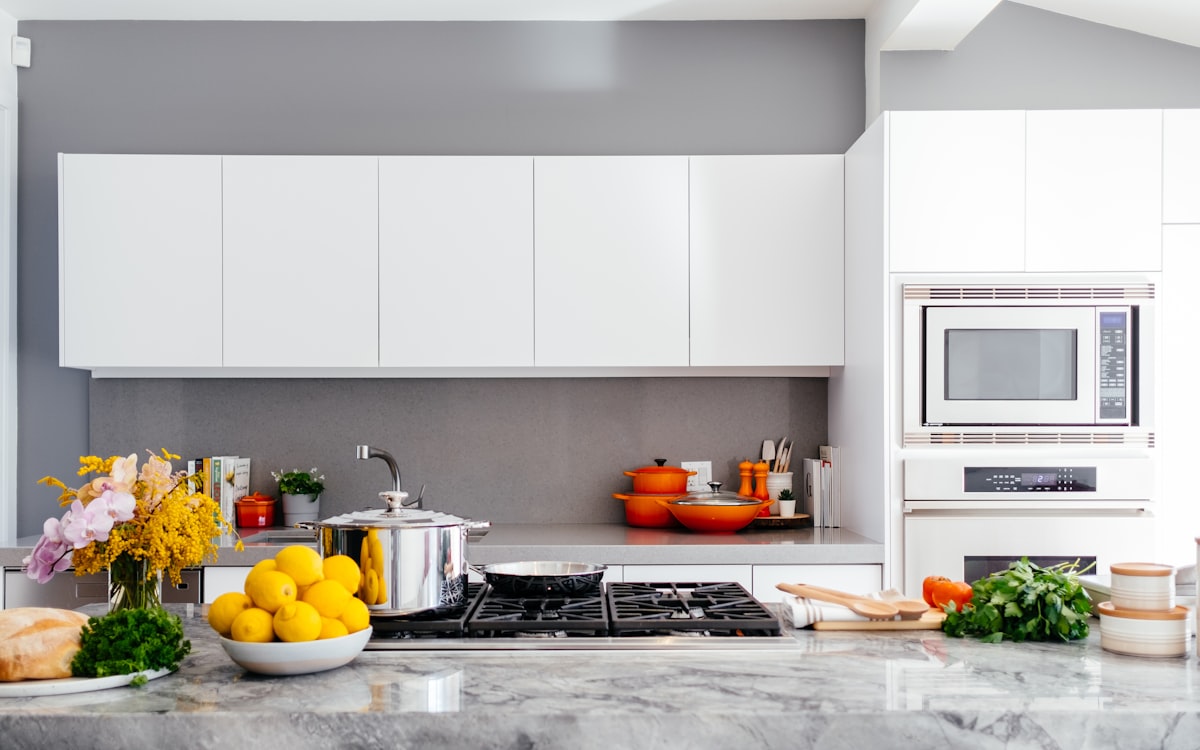
It helps to name what a survival period actually is: a defined stretch where your capacity for planning, shopping and cooking is reduced, and reducing what you ask of yourself is the sensible response. Framed as a temporary adjustment rather than a slide into bad habits, most of the guilt drains out of it. You are not lowering your standards forever; you are meeting the week you are actually in.
Build a small survival pantry
A handful of shelf-stable items can become reasonable meals with no cooking at all. Five worth keeping in: bread, peanut butter, eggs (boiled ahead or cooked in the microwave), tinned beans, and frozen vegetables. With these on hand you can assemble something to eat in minutes without having to plan or think. Because these are stored foods, it helps to know that, apart from infant formula, date labels are about quality rather than safety. A tin or jar sitting slightly past its “best if used by” date is generally fine if it shows no signs of spoilage, so there is no need to throw out usable food during a period when getting to a shop is the last thing you can manage.
A worked example shows how little this asks of you. Take two slices of bread and spread peanut butter on both, and that is a meal in under a minute. Empty a tin of beans into a bowl, warm it in the microwave, and eat it with a spoon. Crack an egg into a mug, add a splash of water, and microwave it in short bursts until it sets. None of these needs a hob, a chopping board, or a second thought. The value of a fixed short list is that it removes decisions on the days when decisions are the hardest part.
There is a quieter second benefit to leaning on stored and frozen food. Fresh produce bought with good intentions tends to rot in the drawer when you have no energy to cook it, and household food waste is already large. Households throw away about 79 kilograms of food per person each year and account for around 60 percent of all food wasted globally, which across the world adds up to roughly a billion meals a day. During a survival period, tins and frozen bags sidestep that problem entirely, because they wait until you are ready rather than spoiling in the fridge.
Lean on reasonable convenience foods
Plenty of prepared foods will sustain you perfectly well. Plain Greek yogurt with fruit. Tinned soup. Microwave rice pouches. Pre-cooked chicken from the supermarket chiller. A box of cereal. None of it is gourmet, and none of it needs to be. Where you have the attention to spare, choose options with shorter, more recognisable ingredient lists; where you do not, choose whatever gets you fed. Obsessing over labels is not a task for a week when obsessing is beyond you.
If you happen to have a moment to glance at a packet, the two things most worth a passing look on convenience foods are salt and added sugar, since ready meals and tinned soups can carry a fair amount of both. General healthy-eating guidance suggests keeping salt under 5g a day and free sugars under 10 percent of your energy intake, ideally under 5 percent. During a survival period you will not be counting either, and you should not try. This is context for the calmer weeks, not a rule to enforce now. A slightly salty soup that actually gets eaten beats a perfect meal that never happens.
Meals you can put together without cooking
A few examples that ask almost nothing of you:
- toast with peanut butter and sliced banana
- yogurt stirred through with frozen berries
- cheese and crackers with an apple
- tinned beans on toast
- porridge made with milk in the microwave
None of these is real cooking, and every one of them is a genuine meal. Keeping a short mental list like this removes the daily question of what on earth to eat, which is often the most tiring part of feeding yourself when you are depleted. If even holding the list in your head feels like too much, write your favourites on a sticky note on the fridge, so the decision is made before hunger arrives. A meal you settled on in advance costs almost nothing to reach for.
Outsource without guilt
Takeaways, ready meals, grocery delivery, and food cooked by friends or family all belong here. Survival periods are exactly the moment these are most worth using, not a last resort to feel bad about. If someone offers to cook, say yes and ask for things that freeze and reheat well. When you do have leftovers or a batch of something in the fridge, cooked food keeps for three to four days refrigerated, which lets one round of effort stretch across several meals. The part of the household budget that pays for this in hard weeks is doing important work.
A little basic food safety keeps outsourced and batch-cooked food doing its job. Keep the fridge at 40F (4C) or below and the freezer at 0F (-18C), and do not leave perishable food at room temperature for more than two hours, or one hour if the room is above 90F. So if a takeaway arrives or a friend drops round a pot of something you cannot face straight away, move it into the fridge or freezer promptly rather than letting it sit out. Done that way, a single generous delivery can quietly become two or three meals with no risk and no further effort.
Put hydration first
In any survival period, staying hydrated matters more than the quality of what you eat. Keep water within reach and drink it with meals and snacks through the day. When solid food feels like too much, soup, smoothies, and yogurt are all reasonable, fluid-rich options that count as both drink and food. Low appetite is common in the very circumstances that make cooking impossible, so gentle, drinkable calories are often easier to manage than a full plate. Leaving a filled glass where you will see it does more to keep you drinking than any resolution to remember.
Keep some vegetables in the picture
Even a small handful of frozen vegetables warmed in the microwave adds something that plain carbohydrate cannot. The goal is not a balanced plate; it is some vegetable in some meal on most days. For context, standard healthy-eating guidance suggests at least 400g, around five portions, of fruit and vegetables a day, and a survival period will usually fall well short of that. That is fine. A little is meaningfully better than none, and a bag of frozen veg in the freezer, ready to microwave or stir into anything, is the single easiest way to hold onto that little. No chopping, no fresh shopping, no waste. Frozen peas tipped into a rice pouch, or spinach wilted into a tin of soup, still counts.
What not to do
Do not start a new diet. Do not attempt elaborate cooking to prove a point. Do not feel guilty about repetition or convenience. Do not measure yourself against how you normally eat, and do not try to fix everything at once. A survival period is not the time to raise the bar; it is the time to lower it deliberately and without apology.
Longer stretches and a small safety net
Some survival periods last a few days. Others run for weeks, months, or longer, and the standards should stretch to match. There is no shame in extended low-effort eating during a season of life that genuinely requires it. If a period runs beyond a few weeks, a basic daily multivitamin can offer a modest safety net; for shorter spells, regular meals with a little vegetable in them are usually enough. The one thing worth protecting even in a long stretch is regularity: eating something at roughly consistent points in the day, however plain, steadies your energy better than long gaps. And if it helps to hear it plainly: asking for help with food is always reasonable. Friends, family, community resources, and food banks exist for exactly these circumstances, and pride is not a useful filter when simply staying fed is the work.
Coming back out of it
When the period eases, return slowly. Add one normal habit back at a time. Resume a little more cooking as energy allows, and restock the fridge in stages rather than in one overwhelming shop. There is no prize for leaping straight back to your usual pattern. A sensible first step is one cooked meal a week, then two, rather than an abrupt return that quickly collapses. The survival period was real, and so the return is its own gradual process rather than a switch you flick.
Supporting someone else through it
If it is someone you love who cannot cook right now, practical help beats advice every time. Drop off meals that are ready to heat. Help set up a grocery delivery. Quietly take over a cooking shift. Make what you bring generous, simple, and freezer-friendly, and skip the nutrition lecture entirely. Labelling each portion with what it is and the date saves them a decision and helps the food get eaten within its safe window rather than sitting forgotten. The person already knows their eating is not ideal; what they need is for it to be handled, not commented on.
Compassionate survival eating is a form of self-care in its own right. It keeps you fed through the hard stretch so that you can return to fuller, more varied eating when life allows. It is not a lapse from healthy eating. It is part of what healthy eating looks like across a whole life, one that includes the seasons when just getting fed is enough.
Frequently Asked Questions
Will my health suffer if I eat survival meals for weeks?
Modestly, perhaps, but the bigger danger is undernutrition or skipped meals. Reasonable convenience food is better than no food. The body recovers quickly when conditions improve.
How do I avoid feeling guilty about this kind of eating?
Reframe it as appropriate response to life conditions, not failure. The same person at a different time would eat differently. The pattern is contextual, not characterological.
Should I take supplements during survival periods?
For periods longer than a few weeks, a basic multivitamin can provide a safety net. For shorter periods, regular eating with vegetables is usually enough.
What if survival eating becomes the new normal?
When you have any extra capacity, add one slightly better habit. Replace one frozen meal a week with something slightly more home-cooked. Build back gradually rather than all at once.
Is it okay to ask for help with food during these periods?
Always. Friends, family, community resources, and food banks where applicable exist for exactly this. Pride is not a useful filter when survival is the work.