Cook once, eat twice is at once the most overrated idea in modern recipe content and one of the most genuinely useful. The overrated version is the Sunday marathon, where you cook six elaborate jars to carry you through the week. The useful version is far smaller and far more forgiving: cook one component in double quantity, then build two genuinely different meals around it on two separate nights.
The reason this matters beyond convenience is waste. Most food is thrown away not in factories or shops but in ordinary kitchens. According to the UN Environment Programme’s Food Waste Index Report 2024, households account for about 60 percent of all food wasted worldwide, roughly 79 kilograms per person each year. In 2022 that came to some 631 million tonnes from homes alone, and across the whole food system roughly 1 billion meals are thrown out every single day. A cooking habit that reliably turns leftovers into a meal you actively look forward to is one of the few things that quietly chips away at that number, one household at a time.
The Principle: Cook the Anchor, Vary the Shell
Most meals are built from a main ingredient, the anchor, and a context, the shell. The anchor is the slow part: the roast, the pot of lentils, the tray of vegetables. The shell is the fast part: the sauce, the toast, the dressing, the egg cracked on top. Double the anchor while it cooks and you have paid the expensive time cost only once. On the second night you pay only the cheap cost of a new shell, and the meal still feels new because it genuinely is.
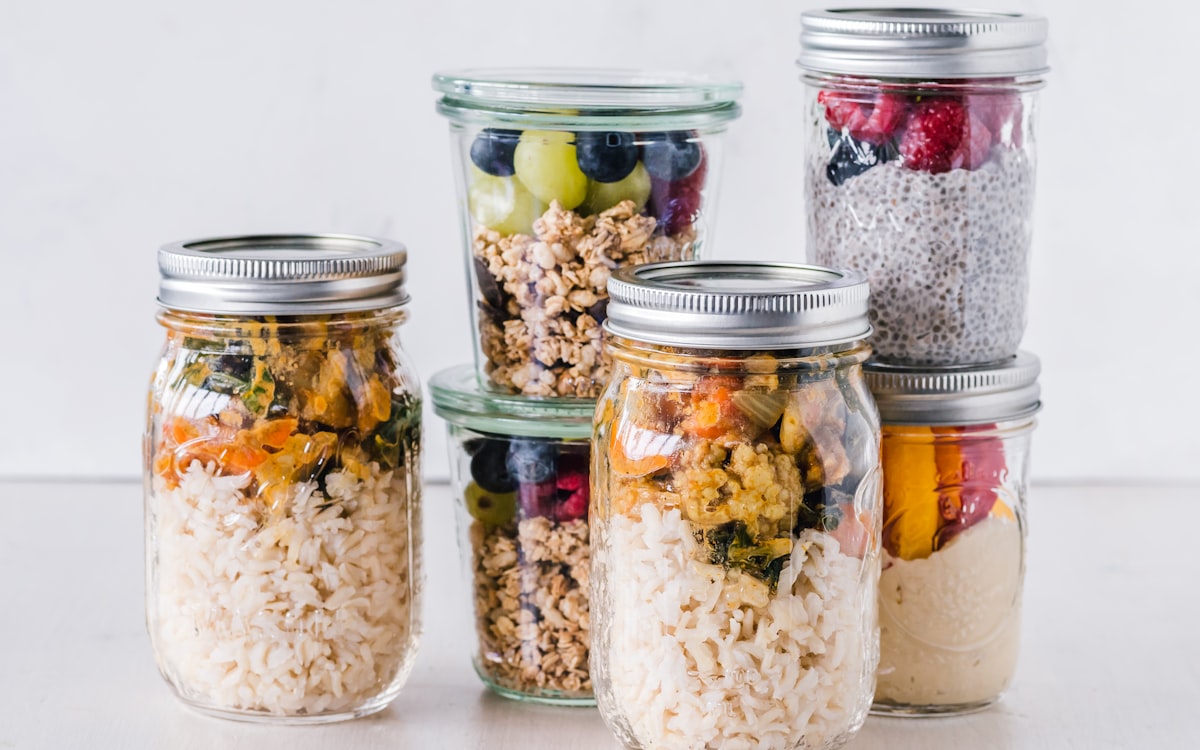
The arithmetic of this is quietly generous, because doubling an anchor rarely doubles the work. A roasting tin that holds one chicken usually holds a larger one, or a second set of thighs alongside, for the same preheat and the same wait. A pot of lentils takes the same stir whether it is half full or full. The oven, the hob and your attention are already committed, so the marginal cost of the second portion is close to nothing. That gap between effort and yield is the whole reason the habit pays, and it is why the modest version beats the ambitious one.
Five Anchors Worth Doubling
Roast chicken
Sunday, a roast chicken with vegetables. Monday, strip the leftover meat and turn it into a curry with softened onions, spices and a tin of coconut milk, spooned over yesterday’s rice if any survived. Build the curry base while the onions collapse: fry them slowly until soft and golden, add garlic, ginger and your spices for a minute so they toast rather than steam, then pour in the coconut milk and fold through the shredded chicken only to warm it, since it is already cooked and will turn stringy if you boil it hard. If you have the patience, simmer the stripped carcass into a stock while you eat the curry. One roast, two dinners, and the bones earn their keep as a third small win.
Lentil stew
Wednesday, a big pot of lentil stew eaten as it is, with bread. Thursday, blitz the remaining lentils with a little stock or water into a smooth soup, loosening it until it pours rather than sits, and serve it with toast and a drizzle of yogurt. A squeeze of lemon or a scatter of spices fried in oil poured over the top sharpens it further. It looks and tastes like a different dish entirely, though it began as the same pot.
Pasta sauce
Tuesday, pasta with a tomato and bean sauce, made in double quantity. Friday, the reserved half becomes the base for a quick shakshuka: warm it through in a wide pan, make small wells with the back of a spoon, crack an egg into each, cover the pan until the whites are just set but the yolks still soft, and eat with bread to mop the plate. Same sauce, an entirely different plate.
Rice
Sunday, plain rice as a side, cooked with an extra couple of handfuls. Monday, that cold rice becomes fried rice with whatever vegetables are wilting in the drawer and an egg or two. Cold, day-old rice actually fries better than fresh, because the grains dry and firm in the fridge and then separate cleanly in a hot pan instead of clumping into paste. Here the leftover is the superior ingredient rather than a compromise. Rice does need respect on storage, which is covered below, but handled properly it is one of the best anchors going.
Roasted vegetables
Friday, a large tray of mixed roasted vegetables, spread out in a single layer so they brown rather than steam against one another. Saturday lunch, the same vegetables fold into a frittata or land on a salad with a sharp dressing to wake them back up. A cold roasted vegetable is transformed by acid: a spoon of vinegar or a squeeze of lemon over the top cuts the sweetness the oven built and makes it read as a fresh dish. The oven did its work once and feeds you twice.
The Reshape Is the Point, Not the Bulk
If there is resistance at the table to the same ingredient twice in one week, the fix is not to abandon the method but to reshape harder. Monday’s chicken curry should not look, smell or taste like Sunday’s roast; the coconut and spice are doing the work of disguise. A blitzed soup should not resemble the stew it came from. The bulk cooking is only the setup. The transformation, changing the texture, the seasoning and the format, is what makes the second meal read as a fresh meal rather than a grudging repeat.
Cooking at Home Quietly Improves What You Eat
Reshaping your own leftovers carries a benefit beyond time and waste: you keep control of what goes into the food. A shop-bought ready meal or a takeaway decides its own salt and sugar levels, and they tend to run high. When you build the second meal yourself, you set them. The World Health Organization’s healthy diet guidance advises keeping salt under 5 grams a day and free sugars under 10 percent of energy intake, ideally under 5 percent, both far easier to manage from a pan you seasoned than from a packet you did not.
The vegetable anchors help on another front. The same guidance recommends eating at least 400 grams, or five portions, of fruit and vegetables a day, a target most people miss more often than they hit. A doubled tray of roasted vegetables spreads that load across two meals with almost no extra effort, and a big lentil pot pushes in the same direction. Cook once, eat twice is usually sold as a convenience trick, but when the anchor is a vegetable or a pulse it doubles as a quiet nudge towards eating the way the guidance suggests, without anyone at the table having to think about it as a diet.
Why This Beats Batch Meal Prep
Sunday batch cooking fails in most households for a simple reason: eating five identical containers in a row is a chore, and the fifth one usually ends up in the bin. Cooking the anchor in bulk and reshaping the shell keeps the novelty that keeps you eating. And none of it depends on feeding a crowd. A solo cook often gains the most, because one honest batch can quietly cover several lunches and dinners in different shapes across a few days, which is far cheaper in both time and money than starting from scratch every evening.
Storing the Anchor Safely
The whole habit collapses if the doubled portion disappears to the back of the fridge and quietly spoils. Cool the anchor quickly, ideally within a couple of hours, then cover it, write the cooking date on it, and put it at the front where you will actually see it. The US FoodSafety.gov cold food storage chart puts cooked leftovers at three to four days in a fridge held at 4C or below, so plan the second meal inside that window. Heat speeds spoilage, so do not leave perishable food at room temperature for more than two hours, and no more than one hour once the kitchen climbs above 90F. Rice in particular should go into the fridge as soon as it has stopped steaming rather than sitting out on the counter while you eat.
If the second meal will not happen within a few days, freeze the portion straight away rather than gambling on it. The same chart sets the freezer at minus 18C (0F), cold enough to hold the anchor well beyond the fridge window, so a labelled container in the freezer is simply a future dinner you will be glad to find. Cool it, date it, and freeze a sauce or soup flat in the bag so it thaws quickly on the night you want it. That single step turns a few days of margin into weeks.
The date you write is your own, and it is more useful than the one printed on the packaging. As the USDA’s guidance on product dating explains, most date labels are not required by law and are not safety indicators; a “best if used by” date speaks to quality, not to whether the food has actually gone off. So trust your own eyes and nose on the leftovers, and trust the date you wrote when you cooked them, rather than a printed line that was never about safety in the first place.
Only Double What You Actually Like
There is one rule that matters more than any technique: do not double an anchor you feel lukewarm about. Doubling something mediocre buys you two disappointing dinners instead of one. Cooking a single portion of a meal you love is a better week than reheating a reshaped version of one you merely tolerated. The anchor has to be good enough that its second appearance feels like a small treat, not a sentence to be served out.
The Time It Gives Back
Cooking one anchor for two meals removes an entire slow-cooking step from a second weeknight. You still cook, but you skip the long, attention-heavy part and go straight to assembly. Spread across a year of ordinary weeknights, those saved steps add up to real time handed back, and the household tends to eat better and worry less about dinner while it happens. Few other kitchen habits return so much for so little effort, which is exactly why the small version of cook once, eat twice deserves to outlive the overrated big one.
Frequently Asked Questions
How long can the cooked anchor wait between meals?
For most cooked components, three days in the fridge. For freezer storage, two to three months without quality loss.
Does this approach work for solo cooks?
Yes, often even better. A solo cook can cook for four and stretch one batch across four lunches and dinners in different shapes.
What if my family resents the same ingredient twice in a week?
Reshape aggressively. The roast chicken in curry form should not look or taste like the roast chicken from Sunday. The reshape moves are the magic, not the bulk cooking.
Should I make the second meal on the same night as the first?
You can, but most households find it easier to make the second meal the next evening with the cooled, refrigerated component. The same-night version risks burnout in one sitting.
Is freezing portions better than refrigerating them?
For anything longer than three days, yes. Frozen portions retain flavour well and remove the time pressure to use the leftover.