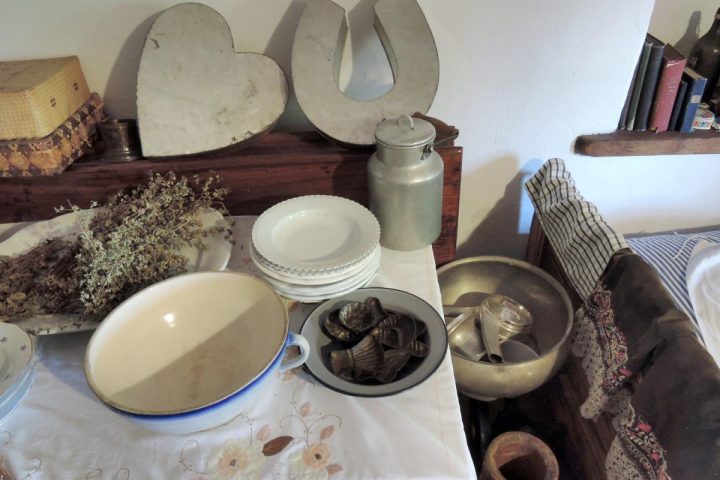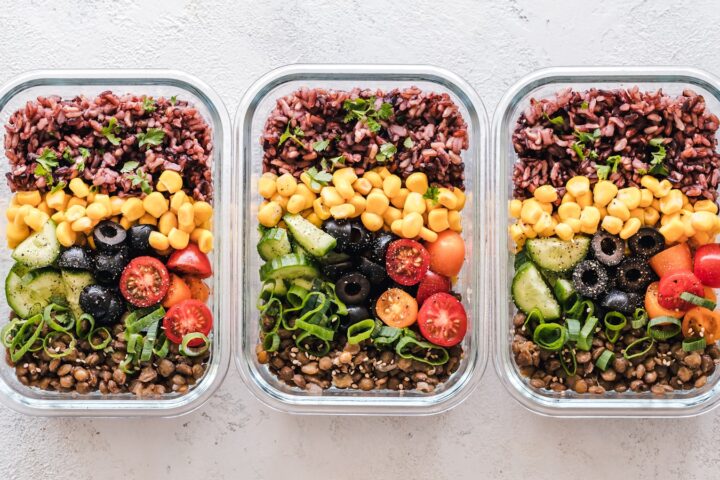
The popular image of a low-waste kitchen is a beige fantasy: matching glass jars, an immaculate compost crock, a fridge holding six flawless vegetables. Real low-waste kitchens look almost nothing like that. They are ordinary, slightly chaotic, and held together by four or five small habits the household barely notices anymore.
This is a guide to the actual version. No new equipment required, no identity shift necessary. Just a quieter way of handling food between the moment you buy it and the moment you bin the empty wrapper.
Where the waste actually happens
Before changing anything, notice where waste shows up in your own kitchen. For most households the answer sits in one of three places: produce that died in the drawer, leftovers that drifted past edibility, and bread that staled before anyone ate it. Fix those three and you have dealt with the large majority of your food waste without doing anything radical.

It helps to know the scale, because it makes the small habits feel less trivial. According to the UN Environment Programme’s Food Waste Index Report 2024, households throw away about 79 kilograms of food per person each year and account for 60 percent of all food wasted globally, roughly 631 million tonnes in 2022, which works out at about a billion meals binned worldwide every day. The bulk of that is not waste from farms or shops. It is ordinary food, in ordinary homes, that simply did not get eaten in time.
Spend a week simply noticing what you throw away and roughly why. You do not need to write it down formally. The pattern usually becomes obvious fast: the same bag of salad turning to liquid, the same half-tin of something forgotten at the back, the heel of a loaf that nobody wanted. Once you can name your own two or three repeat offenders, the habits below stop being generic advice and start pointing at the specific gaps in your kitchen.
A shopping habit that prevents most waste
The cheapest food to save is the food you never over-buy. Prevention beats every rescue trick that follows, because the most useful outcome by far is food that gets eaten rather than food that gets recovered at the last minute. Before you shop, glance at what is already in the fridge and freezer and build the week loosely around it. A rough plan for three or four evening meals is usually enough; leave a night or two deliberately unplanned so that leftovers and odds and ends have somewhere to go.
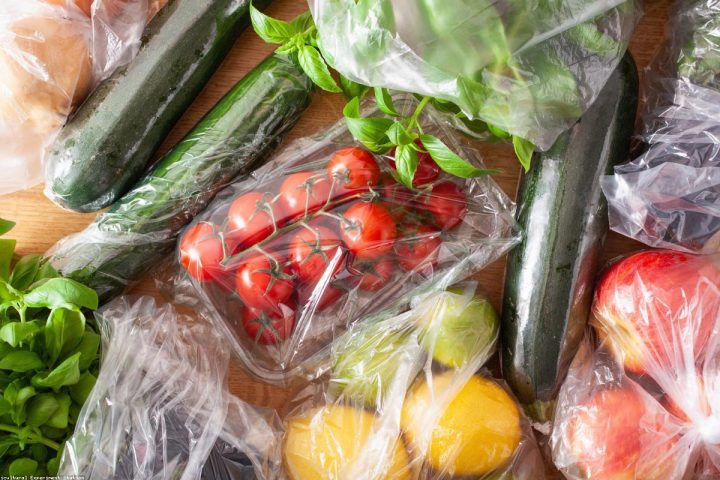
Two small shopping rules head off a lot of the drawer waste in particular. Buy loose rather than pre-bagged where you can, so you take three onions rather than a net of eight. And be honest about the difference between what you will realistically cook this week and what you are buying because it felt virtuous in the aisle. The bag of spinach you optimistically imagine eating raw every lunchtime is a classic candidate for the bin.
The weekly drawer audit
The fridge produce drawer is where waste likes to hide. Once a week, before you shop, pull everything out, give each item a few seconds of honest attention, and move anything that needs using soon to the front of the fridge at eye level. Keep like with like so a lone pepper does not vanish behind a jar for a fortnight. Most people are surprised to find half a meal already sitting there. The audit takes a minute or two and quietly heads off the slow, invisible spoilage that a closed drawer encourages.
A worked version looks like this. Empty the drawer onto the worktop, wipe it while it is out (a damp drawer speeds up rot), and sort the contents into two loose piles: fine for now, and use in the next day or two. The second pile goes into a bowl or onto a shelf at eye level, and it becomes the shortlist for tonight’s cooking. Anything limp but not spoiled, softening carrots, bending celery, a tired courgette, goes onto a mental “cook, do not bin” list, because heat rescues almost all of it in a soup, a stock or a tray bake.
The two-container leftover system
Leftovers fail because they become invisible. A simple two-container system fixes that with almost no effort. Container one holds dinner-sized portions, kept at the front and eaten first. Container two holds small “ingredient” portions, such as cooked rice, beans or roasted vegetables, that get folded into other meals across the week. Aim to eat both within a few days rather than letting them ride out to the weekend. Anything genuinely past it goes into a soup or, honestly, the bin. The point is to treat your leftovers as the start of the next meal rather than a graveyard at the back of the shelf.
The ingredient container is where the real saving happens, because it changes leftovers from a repeat of last night into raw material. A cup of cooked rice becomes tomorrow’s fried rice or the base of a quick soup. Roasted vegetables go into an omelette, a wrap or a pasta sauce. A few spoonfuls of cooked beans thicken a stew or get mashed onto toast. Keep this container clear and near the front, and it stops feeling like a leftover at all: it is just an ingredient you have already done the work on.
Bread, the quiet offender
Bread is one of the most commonly wasted foods in many households, and two habits deal with most of it. Either buy smaller and more often, or buy a normal loaf and freeze half on the day you bring it home. Toast goes straight from the freezer to the toaster and tastes no different, and the frozen half becomes a reliable backup for slow weeks. Sliced bread freezes especially well because you can take out only what you need. When a loaf does turn slightly stale before you get to it, it still has a use: dried or fried into croutons, or blitzed into breadcrumbs that keep in the freezer almost indefinitely.
Both rescues are quick. For croutons, tear or cut the stale bread into rough chunks, toss with a little oil and salt, and crisp them in a hot oven or a dry frying pan until golden; they keep for a few days in a jar and turn a plain soup or salad into something more substantial. For breadcrumbs, blitz the dried bread in a processor and tip them straight into a freezer bag, taking out a handful at a time to top a bake, coat something for frying, or bulk out meatballs. Neither rescue asks you to plan ahead: they are simply what you do with the loaf instead of binning it.
The “what can be saved” habit
Once a week, spend a few minutes asking the fridge a single question: what can be saved here? A short list of standard rescue moves covers most of it.
- Soft tomatoes cooked down into a quick sauce.
- Tired greens dropped into a soup base.
- The last of a block of cheese turned into a toastie.
- Wilting herbs blitzed with oil and frozen in an ice-cube tray for next week.
None of it is glamorous; all of it recovers food that was heading for the bin.
A good deal of this waste comes down to misreading labels. As the USDA’s Food Safety and Inspection Service explains in its guidance on food product dating, “best if used by” dates indicate quality rather than safety, and, apart from infant formula, such labels are not required by federal law in the United States and are not safety indicators at all. Food showing no spoilage signs is generally fine to eat past that date. So trust your senses first: an obvious smell and visible mould are not subtle warnings, and when something genuinely looks or smells off, lean cautious. In practice that means a quick look and sniff before anything gets thrown out on the strength of a printed date alone, which on its own saves a surprising amount of perfectly good food.
One tool worth buying
If you buy a single piece of low-waste kit, make it a set of clear, stackable containers in two or three sizes. Visibility is the whole trick. Food you can see at a glance is food you will eat; food hidden in opaque tubs quietly becomes waste. Clear jars, glass bowls with lids, even freezer bags do the same job, so the material matters far less than being able to see what is inside. If you already own opaque containers that work, a few transparent jars are a cheaper upgrade than replacing the whole stack.
The freezer deserves the same visibility. It is the most forgiving tool in a low-waste kitchen, and its main failure is that things vanish into it unlabelled and unloved. Freeze in flat, clearly filled bags or clear tubs, keep a rough note of what is in there, and treat it as a pause button rather than a museum. Herbs in oil, that half loaf, a portion of soup, a glut of ripe fruit destined for cooking: all of it buys you time, but only if you can see it and remember it exists.
The composting question
You do not need to compost at home to run a low-waste kitchen. Reducing waste when you buy and cook beats composting after the fact, because the most useful outcome by far is food that gets eaten in the first place. If your council collects food waste, use that service. The reason it matters is what happens to food that goes in the general bin instead: buried in landfill it breaks down without oxygen and releases methane. The US Environmental Protection Agency finds that landfilled food waste is responsible for about 58 percent of fugitive methane emissions from municipal landfills, and that food waste makes up about 24 percent of everything landfilled in the US, so keeping it out of the general bin is not a trivial gesture.
If you have the space and the inclination to compost at home, it is a genuinely good addition: the EPA notes that home composting relies on aerobic decomposition, which avoids the methane that food produces when it breaks down in landfill, and that the finished compost improves soil structure, helps soil hold moisture and nutrients, and reduces the need for fertiliser. If composting does not suit your home, treat it as a small part of the picture rather than the centre of it.
When aesthetics become the problem
The urge to make your kitchen look like the photographs often turns into its own waste problem. Buying matching containers, replacing storage that worked perfectly well, decanting food that was fine in its original packaging: each of these is a fresh act of consumption dressed up as thrift. A working low-waste kitchen tends to look slightly chaotic and feel calm. That is the trade, and it is a good one.
None of these habits demands much once it settles into routine. The drawer audit takes a couple of minutes, the leftover system runs itself, and the bread habit is a matter of seconds on shopping day. Your kitchen does not need a renovation. It needs a few quiet rhythms, repeated each week, until they disappear into the background of an ordinary, well-fed home.
Frequently Asked Questions
How quickly will I notice a difference?
Most households notice less bin volume within three or four weeks. By two months, the drop in food spending is usually visible too. The habits compound faster than people expect.
Do I need to compost to call my kitchen low-waste?
No. Reducing waste at the source matters more than composting it. Composting is a useful additional step if it suits your home, not a requirement.
What if I cannot store leftovers because of fridge space?
Smaller containers, used vertically, free up significant space. The two-container system is designed to fit most fridges. If space is genuinely a barrier, cook less per meal rather than skipping leftovers.
Are clear containers worth buying new?
Only if you currently lack visibility. If you already own opaque containers, transparent jars or freezer bags are a cheaper upgrade than replacing the entire stack.
How do I know if a leftover is still safe?
Three days for most cooked food in the fridge is a reliable rule. Rice and seafood are tighter. Smell and visible mould are not subtle signs. When unsure, lean cautious.