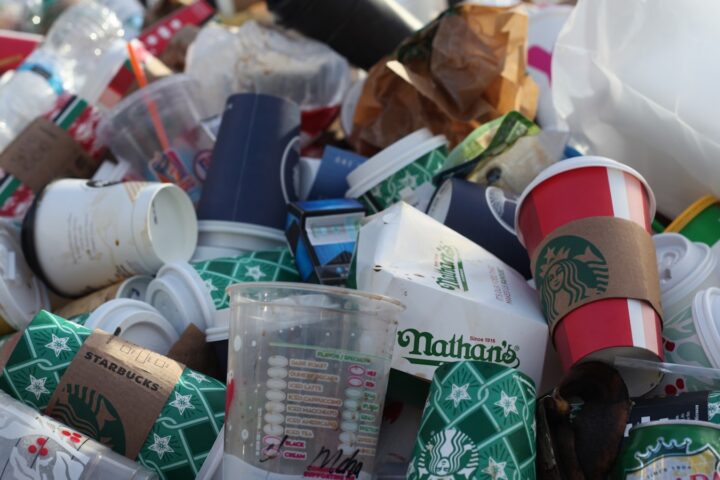
Most household food waste is not whole items thrown out untouched. It is the half-used remainders that quietly fail: half a lime, half a tin of beans, the last of the pesto in the bottom of a jar. These are the things that drift to the back of the fridge and never come out again. Individually they seem trivial, but they add up. The UN Environment Programme’s Food Waste Index found that households throw away around 79 kilograms of food per person each year, and that households account for 60 percent of all the food wasted worldwide, roughly 631 million tonnes in 2022. Put another way, about 1 billion meals are wasted every day. A large share of that total is exactly these small, half-used bits, and unlike the waste that happens on farms or in shops, it is the part you have direct control over.
The three-layer approach
There are really three ways to save a half-used ingredient, and which one you choose depends on what is left and how soon you will use it.
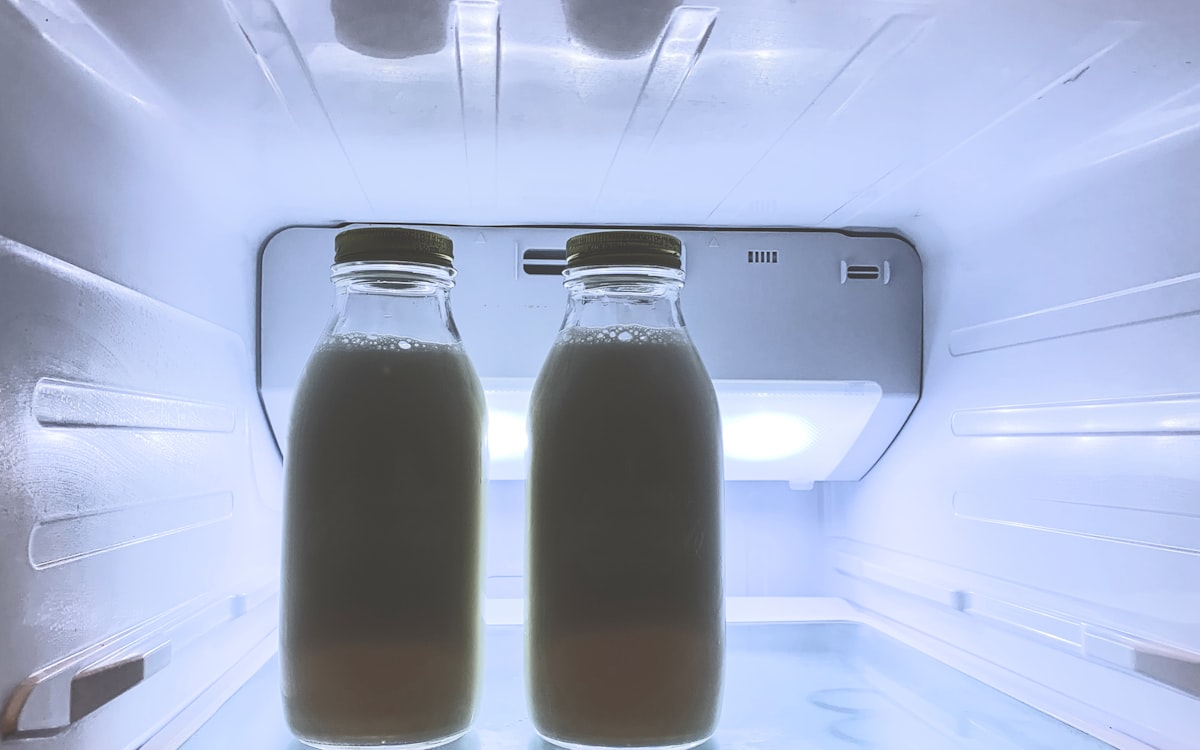
- Fridge for anything you will finish within a few days.
- Freezer for things you want to keep for longer.
- Reshape, turn the remainder into something else entirely, for the cases where neither storing nor freezing does the ingredient justice.
Almost every kitchen remnant fits one of these three, so the decision takes seconds once it becomes a habit. The trick is to make the call the moment the ingredient becomes a leftover, while it is still in your hand, rather than once it has already retreated to the back of the shelf.
Half a lemon or lime
Place the cut side down on a small plate or saucer in the fridge and the exposed flesh stays fresh for several days: the contact with the plate slows drying far better than leaving it face up. If you know you will not get to it, juice it straight away into an ice cube tray and freeze. One cube is roughly the measure you want for a drink, a dressing or a sauce, and you can pop out exactly as many as a recipe calls for. Zest the peel before you juice, and freeze that separately; frozen zest keeps its oils and lifts a dish just as well as fresh. A useful order of operations is to zest first and juice second, because zesting a squeezed half is fiddly and you lose most of the peel’s aromatic oil once the fruit has collapsed. The same approach works for oranges and grapefruit.
Half a tin of tomatoes
Never leave tinned tomatoes in the open tin. Once the seal is broken the metal reacts with the acidic contents and the flavour turns tinny and metallic. Tip whatever is left into a clean lidded container and refrigerate, where it will keep for a few days, or portion it into an ice cube tray and freeze. Paste, passata and chopped tomato all freeze and thaw well, and a cube or two dropped into a hot pan is often exactly the amount a recipe wants: a spoonful of paste to enrich a sauce, a few cubes of passata to loosen a stew. Tomato paste in particular is worth freezing in teaspoon-sized blobs on a lined tray, then bagging them once solid, because recipes so often ask for one modest spoonful and the rest of the tube is then forgotten until it grows mould.
Half an onion, and other cut vegetables
Onion is probably the most-wasted ingredient in any kitchen. Wrap the cut half tightly, a beeswax wrap, a reusable cover or a small lidded container all work, and keep it in the fridge, where it will hold for a few days. Wrapping it well matters for your other food too, since a bare cut onion will scent the butter and cheese sitting near it. For anything longer, chop it and freeze it. Frozen onion softens on thawing, so it is no use raw in a salad, but for soups, stews and sauces the slight loss of texture disappears the moment it hits the pan. The same logic covers the odd half a pepper, the last few sticks of celery or a lonely carrot: dice them together, bag them and you have a ready base for the next time you start a sauce from scratch. Keeping these odds and ends in play also makes it easier to reach the five portions of fruit and vegetables a day, at least 400 grams, that the World Health Organization recommends, because the vegetables most likely to be lost to the back of the fridge are exactly the ones that would otherwise have gone into a meal.
The bottom of a pesto, mustard or jam jar
The dregs of a pesto, mustard or jam jar are worth more than they look. Add a splash of olive oil and the same amount of vinegar to the jar, put the lid on and shake hard: the last of the spread emulsifies into an instant vinaigrette, and the jar comes out almost clean. For a mustard jar, swap the oil for a dollop of yoghurt and you have a creamy dressing instead. A jam jar with a little left in the bottom does the same job with a sweeter result: oil, vinegar, a pinch of salt and you have a fruity dressing for a hearty winter salad. One thing to keep in mind is that mustards and many pestos are quite salty, so a dressing built from the jar can carry a fair amount of it. The WHO suggests keeping salt under 5 grams a day, so go easy on any extra seasoning when the base is already savoury. It is the rare trick that saves food and does some of the washing-up for you.
Wilting herbs
Herbs on the turn are still perfectly good; they simply will not last as a garnish. Wash and chop them, pack them into an ice cube tray, and cover with olive oil or melted butter before freezing. Each cube is a measured portion of herb oil or herb butter that drops straight into a hot pan. Soft herbs like basil, coriander and parsley take to this especially well, since their flavour is delicate and freezing in fat protects it from the air that would otherwise dull it. Woodier herbs such as rosemary, thyme and sage can simply be frozen loose in a bag, or hung somewhere dry and used as you would dried herbs. If you would rather not commit them to fat, blitz soft herbs with a little oil and freeze the purée as a base for pesto, salsa verde or a green sauce later on.
Leftover wine
A small amount of wine left in the bottle is easy to save. Pour it into an ice cube tray, and once it is solid you have cubes ready for pasta sauces, risottos, stews and braises. Freezing holds the flavour, and because you are adding it to something cooked, the fact that it was frozen makes no difference to the finished dish. Red and white behave the same way, and a splash of leftover vermouth or dry sherry is worth saving like this too.
Open coconut milk
Tinned coconut milk tends to separate in the fridge and can be stubborn to bring back together. Move what is left to a small container and use it soon, or freeze it in portions. Thawed coconut milk is completely at home in a curry or a soup, where cooking re-blends it; it is less suited to raw uses, where you would notice the change in texture.
Leftover coffee or tea
Cold coffee poured into an ice cube tray and frozen gives you iced coffee that does not water down as it melts. The same works for tea, which makes a good base for cold infusions. It is a small thing, but it turns the bottom of the cafetiere into tomorrow’s drink rather than something poured down the sink.
Getting your fridge and freezer right
All of this depends on your appliances actually running cold enough. The official cold food storage guidance advises keeping the fridge at 4°C (40°F) or below and the freezer at -18°C (0°F). At those temperatures, frozen cubes hold their quality and refrigerated remainders stay safe. As a rule of thumb, cooked leftovers keep three to four days in the fridge, which is a sensible ceiling for most half-used savoury items too. The same guidance is worth remembering while you are actually decanting things: perishable food should not sit at room temperature for more than two hours, or more than one hour if the kitchen is very warm, above 90°F. In practice that means dealing with the half-used tin or the leftover rice while you clear up, rather than leaving it on the side until long after the meal.
Reading the label, and reading the food
On the question of when something has actually gone off, packaging is less help than you might think. The US Department of Agriculture notes that, apart from infant formula, date labels are not required by federal law and are not safety indicators: a ‘best if used by’ date speaks to quality, not safety, and food showing no signs of spoilage is generally fine to eat past it. For a half-used ingredient with no off smell, no mould and no change in appearance or texture, your own senses are the more reliable guide, especially since a half-tin or a part-jar often outlives a date printed on packaging that assumed you would finish it all at once.
The one container you need
If you buy one thing to make this easier, make it an ice cube tray with a lid. It is the single piece of kit that handles most of the half-used ingredient problem: lemon juice, tomato, wine, coffee, herb oil, stock. The cube becomes your unit of portioning, and a lid keeps the contents from picking up freezer smells or drying out. Silicone trays release their cubes more easily and tend to last longer, but any tray works, the lid matters more than the material. Once the cubes are solid, tip them into a labelled bag so you always know which is which, and add the date, because even in the freezer flavours slowly fade.
The real saving
None of this is dramatic on its own. The saving comes from the fact that half-used bits are usually the expensive part of the shop per gram, the herbs, the good olive oil, the wine, the tin you only half needed, and they are exactly the things that rot unseen. With households responsible for around 60 percent of the food wasted worldwide, and roughly 1 billion meals going in the bin every day, these quiet remainders are a real part of the picture, and the part most within reach of an ordinary kitchen. A freezer, an ice cube tray and a few small containers do most of the work. The habit of pausing for a moment before the leftover goes to the back of the shelf does the rest.
Frequently Asked Questions
How long do half-used ingredients keep in the fridge?
Roughly three to five days for most. Tinned items and dairy lean tighter. When unsure, smell and visual checks are reliable.
Are silicone ice cube trays better than plastic?
Easier to release frozen cubes, and they last longer. Both work fine. The lid is the more important feature.
Will frozen coconut milk taste odd?
In cooked dishes, no. The texture changes slightly but cooking smooths it out. In raw applications, the change may be more noticeable.
Can I store leftover canned beans in the can?
Better to transfer to a clean container. The lining of opened cans can react with the contents over time.
What if I forget which cube is what in the freezer?
Label the tray itself, or transfer the cubes to a labelled bag once frozen. Visibility is the deciding factor.