Read enough food writing and seasonal eating starts to sound like a moral test you are either passing or failing. The honest picture is more useful than that. Seasonal food does bring real benefits, but they are rarely the lofty ones the magazines lean on. Knowing what the benefits actually are lets a household commit to the habit without having to fake any enthusiasm it does not feel.
Flavour is the difference you can actually taste
The most reliable difference between seasonal and out-of-season produce is taste, and it is not a subtle one. A tomato picked ripe in late summer has almost nothing in common with a pale January supermarket tomato that was harvested green and ripened in transit. The gap is not imaginary. Fruit left to ripen on the plant keeps converting its starches into sugars and building the aromatic compounds that make it smell of anything at all, while fruit picked early and gassed into colour later never develops the same depth. Cold storage makes it worse, since chilling a tomato hard flattens its flavour further and does not come back. The same pattern shows up in strawberries and other berries, in stone fruit such as peaches and plums, in asparagus and in fresh peas, all foods where the sugars begin turning the moment they are cut and a few weeks either side of the peak changes the entire experience. If you want a single, quick argument for eating seasonally, this is it: the food is simply better when it is in season, and you notice from the first mouthful.
Cost follows supply
Seasonal produce also tends to be cheaper, and the reason is straightforward rather than mystical. When a crop is in season, supply is high, and high supply pushes prices down. This is built into the way supermarkets and greengrocers set their prices, which is why the same punnet or bunch can swing widely in cost across the year. A household that builds its shopping around whatever is abundant, rather than chasing specific items regardless of the calendar, spends less on fruit and vegetables over a year. Some weeks the saving is small; some weeks it is considerable. Either way it accrues quietly in your favour.
The practical move is to treat a glut as an opportunity rather than a coincidence. When courgettes or plums or runner beans are at their cheapest, they are also at their most abundant, which is exactly the moment to buy more than a single week needs and put the surplus away. A tray of tomatoes roasted down and frozen in late summer costs a fraction of a winter punnet and tastes far better in a February sauce. Berries freeze straight from the punnet spread on a tray, apples keep for weeks in a cool dark cupboard, and soft herbs can be chopped into ice cube trays with a little oil. None of this asks for special equipment, and it turns the cheapest weeks of the year into a supply that lasts well past them, which is where the real saving hides.
A modest but real nutrition edge
There is a nutritional case too, though it is worth being honest about its size. Certain nutrients degrade with time, heat and exposure to air, so produce that reaches you closer to harvest, which seasonal and local produce often does, can hold slightly more of the heat- and oxygen-sensitive vitamins such as vitamin C. This is a real effect, not a marketing invention, but it is a gentle nudge rather than a transformation. Nobody should eat seasonally in the belief that a summer courgette will remake their health. The bigger nutritional win is indirect: better-tasting vegetables are the ones you actually keep reaching for.
Flavour does one more quiet thing for the way you eat. Produce that already tastes of something needs less help at the stove, which means less salt to make a dull vegetable interesting and less sugar to rescue underripe fruit. That matters, because the World Health Organization advises keeping salt under 5 g a day and free sugars under 10 percent of daily energy, ideally under 5 percent. A ripe peach is sweet on its own and a peak-season tomato barely needs seasoning, so eating with the seasons tends to nudge both of those figures in the right direction without any conscious effort to cut back.
Usually the lower-impact choice
For most items, seasonal produce is also the lower-impact option. Food grown in its natural season near where you live tends to need less artificial support: less heated greenhouse to force growth out of season, less long-distance refrigerated transport, and less protective packaging to survive the journey. That last point matters more than it first appears. Containers and packaging are the largest single category of municipal waste, at around 28 percent of what is generated, so loose seasonal produce bought without layers of plastic and card genuinely trims one of the biggest waste streams a household contributes to. The environmental story does carry some nuance, since a heated local greenhouse can occasionally be worse than an efficient import, but the seasonal default is usually the cleaner one.
More variety across the year, not less
It is worth challenging the assumption that seasonal eating narrows your diet. In practice the opposite tends to happen. Households that eat with the seasons cycle through a changing cast of produce as the year turns, rather than buying the same handful of items week in, week out. Over twelve months that adds up to more variety, not less. This matters for a practical reason: the World Health Organization recommends eating at least 400 g of fruit and vegetables a day, the familiar five portions, and rotating through whatever is in season and appealing makes that target far easier to hit than grinding through the same tired options you have stopped enjoying. A diet that changes with the calendar also spreads the range of nutrients you take in, simply because you are not eating the same three vegetables in every month of the year.
You learn how food actually grows
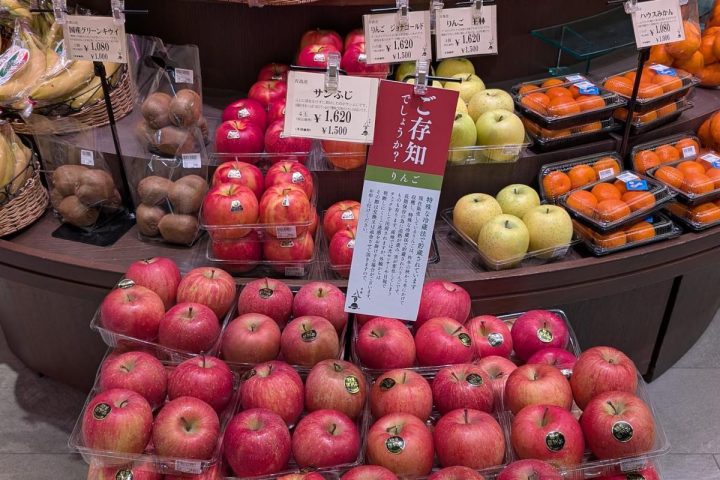
A quieter benefit is the food literacy that builds up almost by accident. After a year of cooking with the seasons, most people can tell you roughly when strawberries peak in their region, or when the first proper tomatoes arrive, without having to think about it. That instinctive sense of how food grows used to be ordinary knowledge and has become surprisingly rare. Reclaiming it changes how you shop, how you plan meals and how you read a menu, and it costs nothing beyond paying attention. It also makes you a harder person to sell to, because you already know when a “special offer” is really just the price a glut should command. You do not need a printed chart to start either: a fortnight of noticing what is stacked high and cheap at the greengrocer, or what the market stalls are pushing hardest, teaches the local calendar faster than any guide, because those displays already track the harvest for you.
It applies beyond the vegetable aisle
Seasonality is easiest to notice in fruit and vegetables, but it does not stop there. Seafood, dairy and game all have peak periods when the eating is at its best and often the price at its lowest. The practical move is simply to ask. A good fishmonger will happily tell you what is landing well this month, and a butcher can say when game is in season and worth ordering. Building those two questions into your normal shopping extends every benefit above, flavour, cost and lower impact, into corners of the diet where most people never think to look for a season at all.
Read your food, not just its label
Getting good produce home is only half the job. The other half is not throwing it away before you eat it, and here a small piece of knowledge saves a surprising amount. Many people bin fruit and vegetables the moment a printed date passes, on the assumption that the label is a safety deadline. It is not. According to the USDA’s Food Safety and Inspection Service, date labels are not required by federal law, apart from on infant formula, and are not indicators of safety. A “best if used by” date speaks to quality, not spoilage, and food showing no signs of having gone off is generally fine to eat well past it. With loose seasonal produce, which usually carries no date at all, the skill is the same one earlier generations used without a second thought: look at it, smell it, feel it. A slightly soft tomato is a sauce rather than a bin item, and a bendy carrot firms up again after an hour in cold water.
Better food gets eaten, so less is wasted
All of this feeds into one of the least-discussed benefits: waste. Produce that tastes good gets eaten. Out-of-season produce that is bland or mealy is the stuff that drifts to the back of the fridge and eventually into the bin. That is not a trivial problem. According to the UN Environment Programme, households are responsible for around 60 percent of all food wasted globally, roughly 631 million tonnes in a single year, which works out at about 79 kilograms per person and something close to a billion meals thrown away every day. Anything that makes the food on your worktop more likely to be eaten is doing quiet work against that total, and better flavour is one of the most dependable levers you have. Buying in step with the seasons attacks the same total from two directions at once: the produce is nicer, so more of it is eaten, and the habit of storing a glut means less of it is bought only to rot.
What it does and does not promise
None of this is a reason to be dogmatic. Seasonal eating does not promise that every meal will be cheaper, that every single item will be better, or that your choices alone will visibly change the planet. At the scale of one household the benefits are real but measured. What makes the habit worth keeping is that it asks very little of you: it costs nothing extra, it usually saves a little, and it makes food taste better while you do it. Most sustainable habits survive only through effort and guilt. Seasonal eating is unusual in paying you back, in flavour, in money and in less waste, which is exactly why, once a household starts, it tends to carry on.
Frequently Asked Questions
Is seasonal produce really more nutritious?
Modestly, on average. Some heat- and time-sensitive nutrients degrade between harvest and plate. Closer-to-harvest produce retains more. The differences are real but not dramatic.
Are there any drawbacks to eating seasonally?
For some people, less variety in certain weeks. For others, a need to plan around what is available rather than what was on a specific recipe. Both are minor adjustments rather than serious drawbacks.
Will I miss certain foods when they go out of season?
Yes, sometimes. Most seasonal eaters find this builds anticipation rather than frustration. The first strawberry of the year becomes meaningful.
How much will I save eating seasonally?
For most households, around 10-15% on the produce portion of the bill. Not transformative, but consistent and worth the small effort.
Does seasonal eating apply to non-produce foods?
Yes, though less obviously. Seafood, dairy and game often have peak seasons. Asking your fishmonger or butcher when items are at their best brings the same benefits.