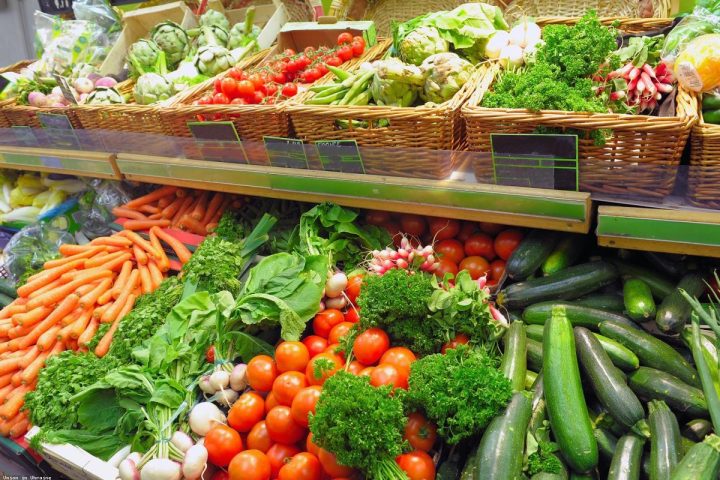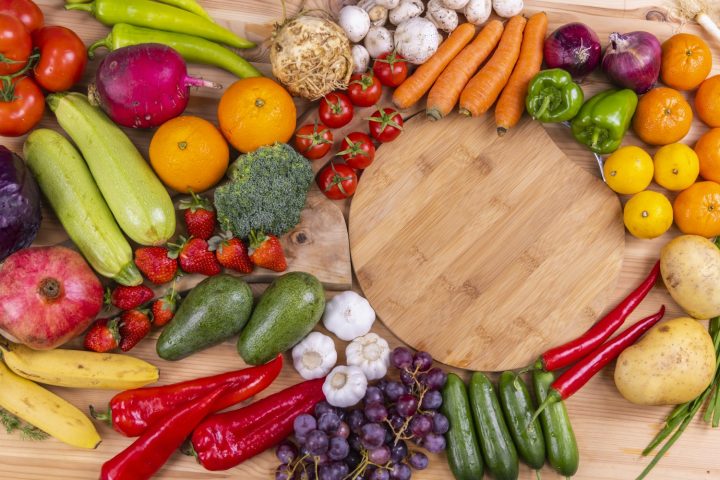

The two hardest stretches for seasonal cooking in most climates are late winter into early spring, and the tail end of autumn. The good winter produce is past its peak, the new spring produce has not arrived, and the supermarket fills up with out-of-season options that taste of very little. This is when households get restless and start reaching for the takeaway menu. The way through is to stop treating the produce aisle as the star of the meal and let the store cupboard take the lead for a few weeks. Cooking this way is also quietly frugal: it runs down the jars and bags you have already paid for rather than sending you out to buy fresh things that disappoint and then rot in the drawer.
Lean into the pantry, not the produce aisle
The shoulder seasons are when a well-stocked cupboard earns its keep. Beans, lentils, grains, tinned tomatoes, dried mushrooms, preserved lemons, anchovies and miso will carry a household through the lean weeks, with fresh produce playing a supporting role rather than the lead. Each of these does a specific job. Anchovies melt into warm oil over a low heat until they dissolve completely, leaving no fishiness but a deep savoury base for greens, beans or a tomato sauce. Dried mushrooms, covered in just-boiled water until they soften, give up a dark, meaty stock; use the soaking liquid as well as the softened mushrooms and a plain lentil pot gains a depth no out-of-season vegetable could match. A spoonful of miso stirred in at the end, off the heat so it keeps its character, turns thin broth into something with body.
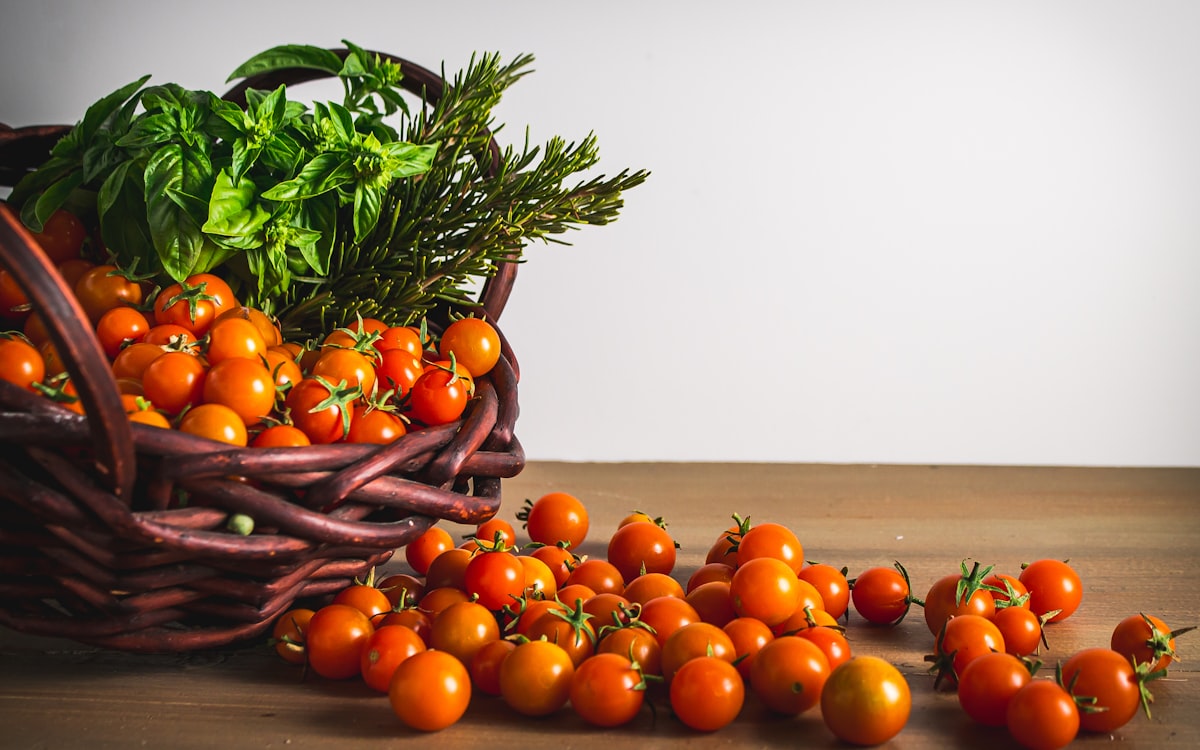
One thing that stops people using the cupboard fully is nervousness about date labels. It is worth knowing that, aside from infant formula, these labels are about quality rather than safety, and in the United States they are not even required by federal law. A “best if used by” date tells you when a food is at its best, not when it becomes unsafe, and a tin or a bag of dried beans showing no spoilage signs is generally fine well past it, according to the USDA’s guidance on food product dating. Trust your eyes and nose over the print on the packet, and the back of the cupboard stops being a graveyard of things you are afraid to open.
Use the hardy greens while they last
Late winter is still kale season, still cabbage season, still chard season in many climates. These greens stand up to long cooking and stretch nicely with grains and beans, so use them freely before the lighter spring leaves arrive. To get the best from a bunch of kale, strip the leaves from the stems, stack them, roll them into a cigar and shred; the leaves go in later than you might think. Save the tougher stalks and the cabbage core rather than binning them: sliced thin and given a longer head start in the pan with the onions, they cook down sweet. Shredded and stewed slowly with garlic and a little chilli, a bunch of kale or a wedge of cabbage becomes the backbone of a meal rather than a sad side.
Let the freezer do the heavy lifting
Frozen peas, frozen spinach, frozen sweetcorn and frozen broad beans were all picked and frozen at their summer peak, which often makes them a better bet than tired out-of-season fresh alternatives. The freezer aisle is the calmest produce section in early spring. It also keeps you eating well when the fresh choice is poor: the World Health Organization suggests at least 400 g, or five portions, of fruit and vegetables a day, and frozen vegetables count towards that just as fresh ones do. A handful thrown into a stew near the end of cooking brings colour and a note of sweetness that the cupboard alone cannot, and because they are already blanched they need almost no time in the pot. Keep the bags near the front of the freezer so reaching for them is the easy choice.
Preserved and pickled brightness
If you have never pickled or preserved anything yourself, now is the moment to appreciate those who did. Tinned tomatoes, jarred peppers, olives, preserved lemons, chutneys and mustards bring the acidity and sharpness that fresh produce would normally supply. A spoonful of chutney, a few chopped preserved lemons, or a scatter of capers can lift an otherwise plain bowl of beans or grains into something you actually want to eat again. Because most of these are salty as well as sharp, they can do the seasoning for you: taste before reaching for the salt cellar, since anchovies, capers, olives and miso already carry a good deal. That habit also sits neatly with the World Health Organization’s advice to keep salt under 5 g a day. Keep a small shelf of these bright, salty, sour things within reach; they are the seasoning that makes lean-week cooking feel deliberate rather than dreary.
Build one anchor dish
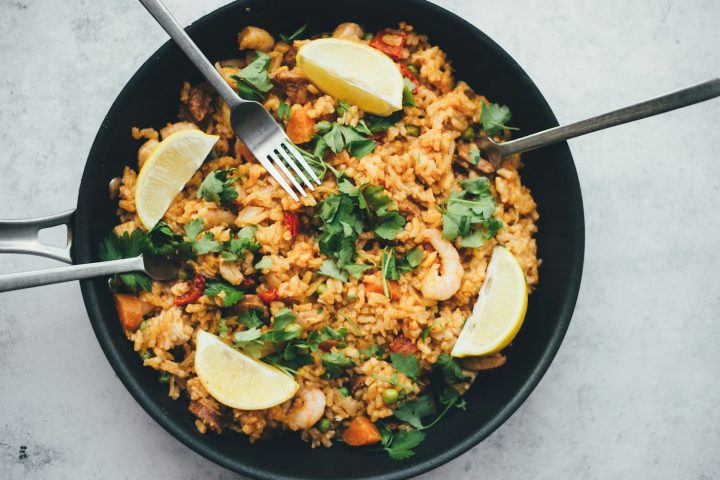
The most useful habit in the lean weeks is a single core dish that absorbs whatever cupboard and frozen items are to hand. A big lentil and tomato stew finished with frozen peas. A pasta with anchovies, garlic and the last of the kale. A baked grain dish with whatever roots you can still find. The lentil pot is the clearest example: soften a chopped onion, some carrots and plenty of garlic, add a tin of tomatoes and a mug of brown or green lentils, cover with the mushroom soaking liquid or water, and leave it to tick over until the lentils are soft. That single base becomes several different dinners depending on what you finish it with. Cook a generous batch and the anchor handles the bulk of the week, which is where the real saving in time and money sits.
Batch cooking rewards a little care with storage. Do not leave the pot cooling on the hob all evening: perishable food should not sit at room temperature for more than two hours, so divide a big batch into shallow containers to cool quickly, then refrigerate. Cooked leftovers keep for three to four days in the fridge, so a Sunday pot comfortably covers several weekday lunches; anything you will not reach in that window goes into the freezer, which should sit at 0°F (-18°C) to hold its quality, with the fridge at 40°F (4°C) or below.
Keeping it from getting dull
The commonest complaint about cupboard cooking is monotony, and the fix is to vary the details rather than the format. Rotate the beans: cannellini one night, chickpeas the next, black beans after that. Change the grain from rice to barley to bulgur. Above all, change the finishing note: harissa one evening, a spoon of miso the next, capers and lemon after that. A base of softened onion, garlic and a tin of tomatoes can become a dozen different meals depending only on what you stir through at the end. Warming spices point it towards a curry, smoked paprika and beans towards something Spanish, chilli and lime towards a bowl you would not tire of. The constraint is the fresh produce; the variety lives in the cupboard.
Cooking that wastes less
There is a wider payoff to eating down the cupboard and the freezer. Household kitchens are where a great deal of avoidable food waste happens: according to the United Nations Environment Programme’s Food Waste Index Report 2024, households throw away about 79 kilograms of food per person each year and account for 60 percent of all food wasted globally, roughly 631 million tonnes in 2022, which works out at around 1 billion meals binned every day. Much of that is fresh produce bought with good intentions and left to spoil, exactly the impulse the shoulder seasons tempt you into when the fresh choice is poor. Leaning on stored ingredients, buying little and often, and building meals around what needs using up first turns the lean weeks into the part of the year your kitchen wastes the least.
The first spring arrivals, used sparingly
When the first new-season items appear, such as asparagus, spring onions, new potatoes, early peas and soft herbs, use them sparingly and visibly. A small handful of asparagus laid over a cupboard stew. A few new potatoes alongside slow-cooked greens. A scattering of chopped herbs at the table. These small touches signal that the lean weeks are ending, without pretending the whole garden has arrived at once. Used this way, a single expensive bunch stretches across several meals and still feels like an event each time.
Where to spend, and where to hold back
The first asparagus or strawberries of the year tend to be expensive, and they are also genuinely worth eating. A small splurge on the first proper arrivals is far more rewarding than chasing pale imported versions in the preceding weeks. Most imported strawberries in the depths of winter taste of almost nothing, so the budget is better saved for the local ones a few weeks later. The restraint is exactly what makes the celebration land when it comes.
Reframing the lean weeks
Shoulder seasons only feel like deprivation if you frame them that way. Seen differently, they are the season of cupboard cooking, of slow stews, of using the jars and bags you stocked on purpose. This is also the cooking that connects most directly to older food cultures, which always had to work through the same gap between the last of one harvest and the first of the next, and did so without waste because they could not afford it. There is a quiet reward for the household that pushes through with pantry and freezer cooking for a few weeks: it arrives at the new season genuinely ready to celebrate it, rather than jaded from a winter of disappointing imports.
Frequently Asked Questions
How long do the shoulder seasons typically last?
In most temperate climates, the late winter shoulder runs roughly mid-February to mid-March. The autumn shoulder runs roughly late October to mid-November. Six to eight weeks each.
What is the best frozen vegetable for shoulder seasons?
Frozen peas are universally useful. Frozen spinach is a close second. Both add freshness and nutrition to pantry-heavy cooking.
Are imported strawberries in February worth it?
Most are flavourless and disappointing. Save the budget for the first local strawberries when they arrive in late spring. The wait is the point.
How do I avoid getting bored in shoulder seasons?
Lean into pantry variety: different beans, different grains, different preserved condiments. The fresh produce is the constraint. The pantry is where the variety hides.
What are the best preserved items to keep stocked?
Tinned tomatoes, preserved lemons, anchovies, capers, olives, dried mushrooms, mustard, harissa. With these, almost any pantry-led shoulder season meal becomes interesting.