Canning is a genuine skill and a satisfying one. It is also a hobby with a real learning curve, specific equipment, and the kind of weekend commitment most households cannot spare. The reassuring news is that for most practical seasonal preservation, three much simpler methods do the work, and none of them needs special kit. Freezing, drying and quick pickling will carry the best of a summer or an autumn into the lean months without turning your kitchen into a workshop.
Freezing: the forgiving first method
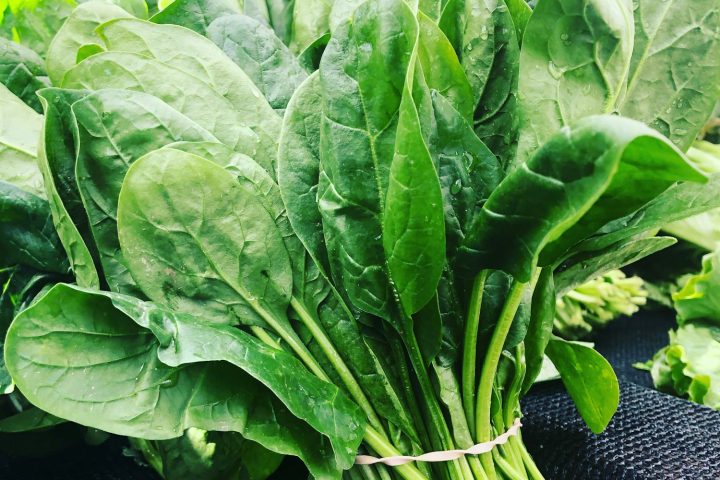
Freezing is the easiest and most useful method of preserving ever invented, and the hardest to get wrong. Spread berries on a tray and freeze them loose before tipping them into a bag, so they stay separate rather than freezing into one solid lump. Blanch greens briefly in boiling water, cool them fast under the tap, then freeze them flat so they thaw quickly. Portion a batch of cooked beans or tomato sauce into usable amounts. Blitz soft herbs with a little oil and freeze the paste in ice-cube trays. Roast peppers whole and freeze them skin and all. Almost everything seasonal takes to the freezer, and almost everything keeps real value there.
Two examples show how little each takes. For a punnet of strawberries: hull them, lay them cut side up on a lined tray with a gap between each, freeze until solid, then bag them. For a glut of runner beans: top, tail and slice, drop into boiling water for a minute or so, lift straight into iced water, drain well and freeze flat. The point in both cases is to freeze food at its best, in the portions you will actually use.
Cooling cooked batches before they go in saves a lot of grief. As a general rule, do not leave perishable food at room temperature for more than two hours, or one hour above 90F, so cool a hot pot of sauce quickly, then freeze it. If you keep part in the fridge to eat first, cooked leftovers last only 3 to 4 days, so the freezer is the right home for anything you will not reach that week.
Two small habits make the difference between good results and freezer-burnt disappointment. First, keep the freezer cold enough: at or below 0F (-18C), the point at which frozen food holds its quality, with the fridge at 40F (4C) or below for anything waiting its turn. Second, label every bag with what it is and the date it went in. That date is worth understanding rather than obeying. As with the printing on shop packaging, a home-freezing date marks best quality rather than safety. Except for infant formula, date labels are not even required by federal law, and none of them is a safety indicator. Well-frozen food stays safe far longer than it stays at its best, so the label is a nudge to use something up while it is good, not a moment to throw it away.
Drying: concentrated flavour for winter
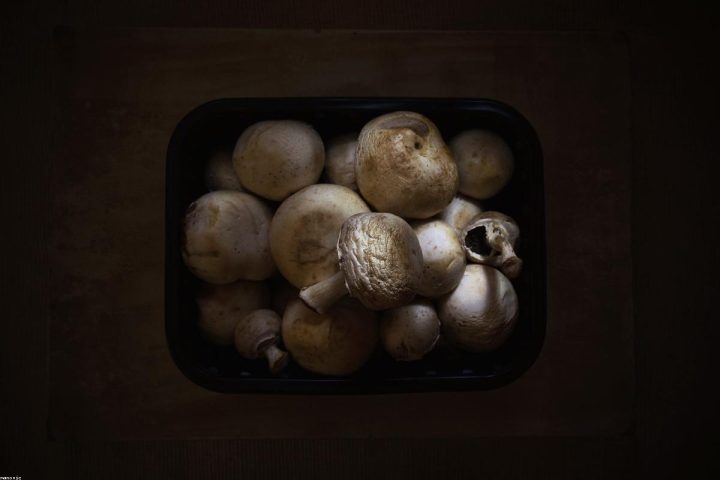
Drying suits herbs, chillies, mushrooms and some firm fruit. A low oven with the door propped slightly ajar will do it in a few hours; a small dehydrator does the same overnight and uses less energy if you dry often; a sunny windowsill handles hardy herbs at the height of summer. The aim in every case is gentle heat and moving air, not cooking. Stored in airtight jars away from light, dried produce keeps for many months and brings a depth to winter cooking that fresh produce cannot. A pinch of dried porcini, a crumbled home-dried chilli or a spoon of dried oregano carries a whole pot of stew, which is why drying rewards even a small effort.
Knowing when something is properly dry is the part beginners tend to rush. Herbs are ready when the leaves crumble rather than bend, and they store best left whole and crushed only as you use them, which keeps more of the oils that carry the flavour. Chillies should feel leathery, and mushrooms should snap rather than flex. As a safeguard, leave the cooled jar somewhere visible for a day or two: if the glass fogs, there is still moisture in the produce, and it needs more time. Slicing firm fruit and mushrooms thinly speeds things up, since a thick piece stays damp at the centre when the edges look done.
Quick pickling: brightness in a jar
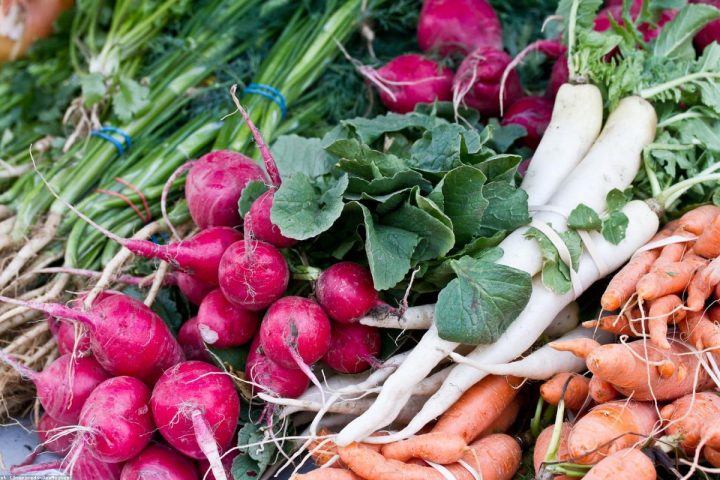
Quick pickling is vinegar and water with a little salt and sugar, brought to the boil and poured over sliced vegetables in a clean jar. Once it has cooled, it lives in the fridge and keeps for several weeks. There is no canning equipment, no processing bath and no anxiety about whether a seal has taken. Cucumbers, carrots, beetroot, onions, peppers, green tomatoes and radishes all work well, and each keeps a fresh crunch that a long-cooked preserve loses. These are refrigerator pickles rather than shelf-stable ones, which is the whole point: they are safe precisely because they stay cold, so keep them in the fridge at 40F (4C) or below and do not treat them as cupboard goods.
Because a pickle is a condiment rather than a meal, it pays to keep the brine modest. There is no need to make it heavily sweet or salted to get a good result, and a lighter hand fits the wider advice to keep salt under 5 g a day and free sugars under 10 percent of energy intake, ideally under 5 percent. Slice the vegetables thin so the brine reaches the middle quickly, pack the jar snugly, and give it a day in the fridge before you judge it, since the flavour deepens overnight.
Matching the method to the food
Each method has a natural home, and most disappointment comes from forcing a food into the wrong one. Freezing is best for soft fruit, cooked vegetables, sauces and stocks, where texture matters less after thawing. Drying is best for herbs, mushrooms and small peppers, where removing water concentrates the flavour instead of ruining the texture. Quick pickling is best for firm, crunchy vegetables you want to keep bright and sharp. Salad leaves and cucumber flesh, which are mostly water and structure, are the clearest example of what not to freeze: they collapse to mush. Pick the obvious match and the results look after themselves. When a food could take two methods, let how you plan to use it decide: tomatoes for sauce belong in the freezer, firm green ones in the pickle jar.
What needs no preserving at all
A surprising amount stores beautifully with no intervention whatsoever. Winter squash keeps for months in a cool room. Potatoes sit happily in a dark cupboard. Onions and garlic last well in a ventilated basket. Apples hold for weeks somewhere cool and dark, especially if you set aside any bruised ones first, since a single soft apple hurries the rest along. Recognising what stores itself saves you the effort of preserving things that were never going to spoil quickly, and it frees your attention and your freezer space for the produce that genuinely will not keep. Before you reach for a jar or a bag, it is worth asking whether the vegetable in front of you simply needs a cool, dark shelf.
How much to actually preserve
Less than you imagine. The goal is to flavour winter cooking, not to feed yourself entirely from jars and bags. A jar of pickled cucumbers, a freezer drawer of berries, a string of dried chillies: small, useful additions rather than a doomsday pantry. It also keeps fruit and vegetables within reach when fresh choice narrows, making it easier to hit the 400 g, or five portions, a day that supports a healthy diet. Preserving far more than you will realistically eat simply moves the waste from the harvest to the back of the cupboard, where a forgotten bag of blackberries is no better than a spoiled punnet. Start modest, notice what you actually reach for, and scale the following year to match your real habits.
When to do the work
An afternoon in late summer and another in late autumn will cover most of a household’s preserving. Late summer is for tomatoes, peppers and berries at their peak; late autumn is for roots, brassicas and apples. Doing it in a couple of focused sessions, when produce is cheapest and most abundant, is far calmer than trying to preserve a little every week. It also lines up with when a glut is most likely to go to waste, which is exactly the moment preserving earns its keep.
What to leave to proper equipment
Some preserving genuinely needs sterile canning technique and training: low-acid vegetables stored at room temperature, meats, dairy, and anything you intend to keep on a shelf for months. This is not fussiness. It is the line between a safe kitchen and a real risk of foodborne illness, and it is one worth respecting. The three methods here sidestep the problem entirely, because frozen, dried and refrigerated foods do not offer the warm, moist, airless conditions that the most dangerous bacteria need. If a recipe asks you to store a low-acid food at room temperature without a pressure canner, treat that as a reason to freeze or refrigerate it instead, not a challenge to attempt.
The quiet sustainability of it
Simple preservation stretches a season’s abundance into the lean weeks and cuts the waste that peaks when the garden or the market stall is overflowing. That matters more than it first appears. Households are responsible for around 60 percent of the food wasted worldwide, roughly 631 million tonnes in a single year, and a fair share of it is fresh produce bought or grown in a glut and never used. The same figures put household waste at about 79 kilograms per person each year, and the world’s total at close to 1 billion meals thrown away every day. Freezing the extra berries or drying the surplus chillies is a small, direct answer to that, requiring no ideology and no special virtue, just a slightly fuller freezer and fewer soft tomatoes going into the bin at the end of the week.
Start with one method
Pick one method and give it a single season rather than trying all three at once. Freezing is the friendliest place to begin: it needs nothing you do not already own, and it forgives almost every mistake. Wait for a glut of summer fruit, freeze it loose on a tray, and see how it feels to pull a handful out in the dark of January. The other methods tend to follow on their own once the first one has stopped feeling like a project and started feeling like an ordinary part of cooking.
Frequently Asked Questions
How long do quick pickles last in the fridge?
Several weeks for most vegetables, sometimes longer. They are intended for short-term storage, not shelf-stable canning.
Do I need a dehydrator to dry foods?
No. A low oven (around 50-70°C with door slightly ajar) handles most household drying. A dehydrator is more energy-efficient if you dry often.
Can I freeze any vegetable?
Most cook-and-eat vegetables, yes. Salad vegetables (lettuce, cucumber) lose their structure and are not worth freezing. Herbs work well in oil or butter cubes.
How long do home-frozen items last?
Two to three months for best quality, longer for safety. Label everything with dates.
Is preserving really worth the effort?
For most households doing modest amounts, yes. The flavour of summer tomatoes in February or homemade pickled cucumbers in October is genuinely satisfying and meaningfully reduces winter food bills.