Organic is one of the few food labels that means something specific and verifiable. It is also one of the most misread, because shoppers tend to treat it as a general badge of goodness rather than the narrow certification it actually is. The honest picture is that organic genuinely helps with some things, does nothing for others, and is occasionally the wrong thing to prioritise. Knowing which is which makes your shopping both cheaper and more effective.
What the certification actually covers
Organic rules govern how food is grown and produced. They restrict synthetic pesticides, limit certain fertilisers, prohibit GMOs and rule out many processing additives. The exact standards differ between the EU scheme, the USDA scheme and others, but every major certification is independently audited. This is worth stating plainly: organic is a real, checked standard, not a marketing word a producer can simply print on a box.
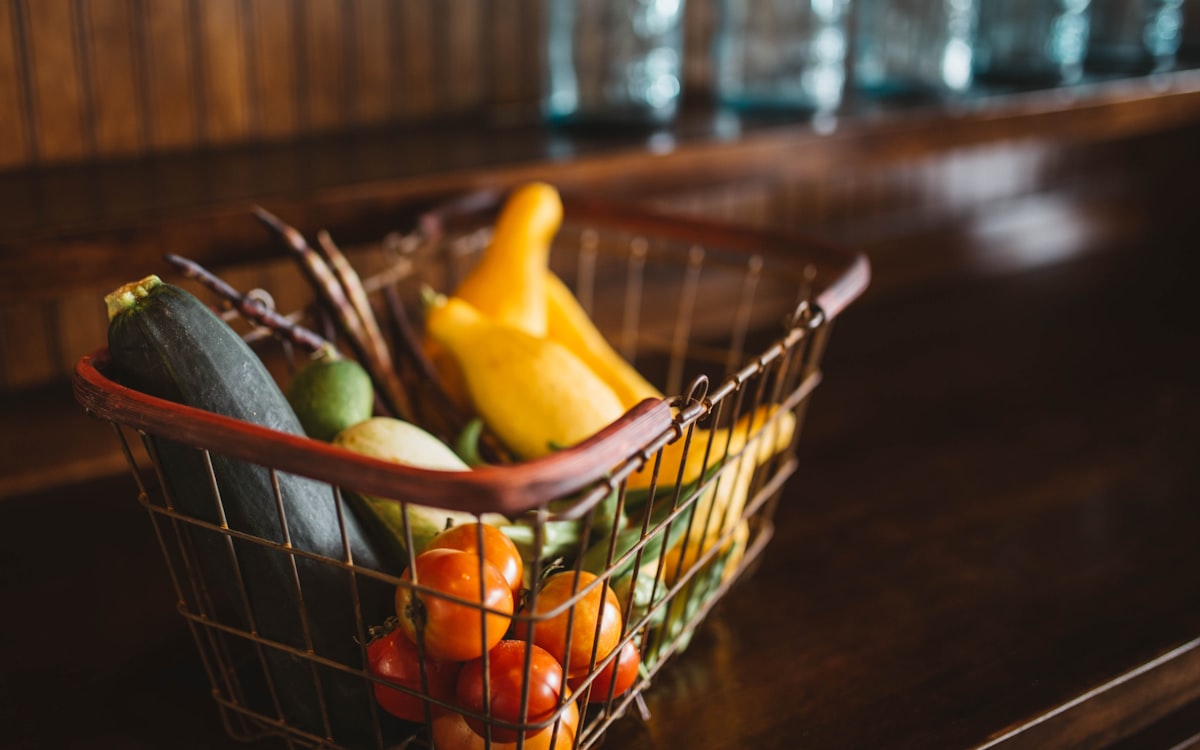
The checking is what gives the label its weight. A farm cannot simply describe itself as organic and start charging more. It has to keep records of every input, open its fields to an annual inspection, and observe a conversion period during which the land is managed to the standard before anything grown on it can be sold as organic. Rather than banning all crop protection, the schemes allow only a short, named list of approved substances, mostly derived from natural sources, and expect growers to lean first on rotation, cover crops and physical methods. So when you pay the organic premium you are paying for a documented production method that someone other than the producer has verified, which is unusual for a food claim.
What it quietly leaves out
The gaps matter as much as the coverage. Organic certification says nothing about how far the food travelled, how it was transported, or its overall carbon footprint. It sets only minimum expectations for labour conditions. And it does not regulate packaging at all. An organic ready meal can be wrapped in as much plastic as any other, which is no small thing given that containers and packaging are the largest single category of municipal waste, at about 28 percent of what is generated. An organic product flown in from another continent can easily carry a heavier footprint than a conventional one grown down the road, because air freight is by far the most carbon-intensive way to move food.
A worked example makes the point. Picture two bags of carrots: loose conventional ones grown in the next county, and organic ones wrapped in plastic and shipped a long way out of season. The organic label tells you something true about how the second bag was farmed, but it tells you nothing about the plastic sleeve or the miles. Whether you buy loose or pre-wrapped produce, and how far it has come, are separate decisions from the organic label and often matter just as much.
When organic is the stronger choice
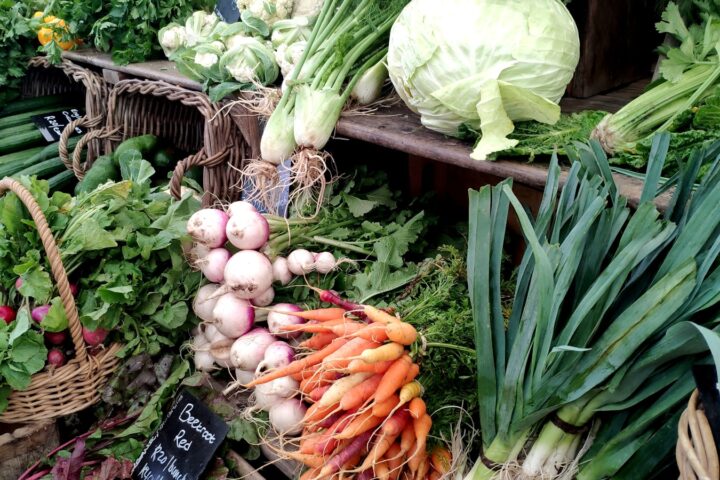
There are categories where the certification does real work. Produce eaten with the skin or leaves intact is where pesticide residue is most relevant, because residue sits on or just beneath the surface and washing removes only some of it. Rinsing under the tap and rubbing with your hands helps, and a longer soak helps a little more, but neither clears everything, and peeling, which removes more, also strips the fibre and some of the nutrients you bought the fruit for. This is where thin-skinned and leafy items, apples, grapes, berries, strawberries, spinach and other salad greens, have the clearest case for buying organic.
Animal products are another category where the label earns its premium, since organic livestock standards often exceed conventional welfare rules in ways that are genuinely meaningful. In practice that tends to mean more outdoor access, lower stocking densities and tighter limits on the routine use of antibiotics, the last of which matters beyond the farm gate because heavy preventive dosing in intensive systems is one of the pressures behind antibiotic resistance. If you care about how the ground itself is farmed, organic is also the label most closely tied to that. These are the parts of the shop where spending more actually buys you a different product rather than the same product with a nicer sticker.
When it is roughly neutral
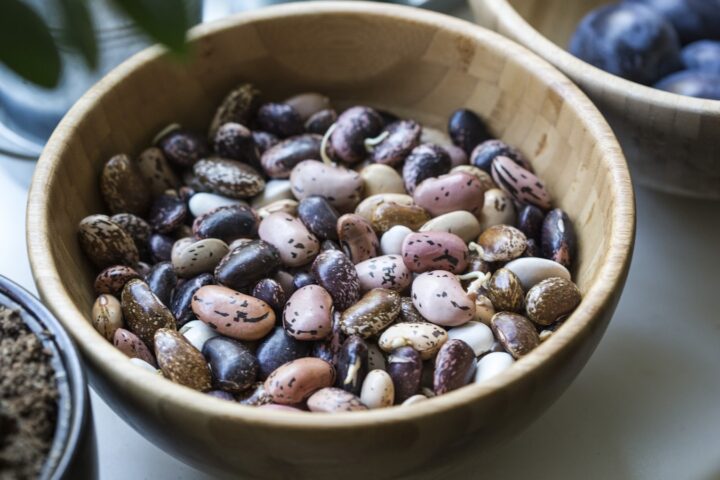
For shelf-stable staples, dried beans, oats, rice, lentils, the residue and soil arguments are much weaker. A tough hull or outer shell, plus milling, cooking and long dry storage, all reduce the exposure that matters most with fresh produce. The organic version is perfectly fine, but the conventional version is rarely a real problem either. If your budget is tight, this is a sensible place to spend less.
Think of it as a ranking rather than a rule. If you have a fixed amount to spend on the organic premium, it does more good on the apples and spinach you eat skin and leaf and all than on the porridge oats that arrive milled and get boiled before you touch them. Buying organic oats while economising on organic apples gets the priorities backwards.
When something else beats organic entirely
Sometimes the better choice is not organic at all. Local, in-season and non-organic can outperform organic that has been shipped a long way or grown out of season under artificial heat and light. Seasonal produce often wins on both flavour and footprint. And the single largest lever in most households is not the organic label but waste: throwing away food you have already bought undoes the benefit of any certification behind it, along with the water, land and effort that went into growing it.
The scale here dwarfs the organic question. Households are responsible for the majority of the food wasted worldwide, accounting for 60 percent of all food wasted globally, about 631 million tonnes in 2022, or roughly a billion meals thrown out every day. On average that works out to about 79 kilograms of food per person each year, which is a substantial weekly shop simply binned. Eating what you buy moves the needle further than swapping conventional meat for organic meat while eating the same amount, and cutting back on meat overall does more still.
A large slice of that waste is avoidable, and some of it comes from misreading date labels. In the United States, except for infant formula, date labels are not required by federal law and are not safety indicators. A “Best if Used By” date speaks to quality, not safety, and food that shows no signs of spoilage is generally fine to eat past it. Learning to trust your eyes and nose over a printed date is one of the cheapest sustainability upgrades going. A few practical habits do most of the work:
- Treat “best before” as a hint about peak quality, not a deadline, and judge borderline items by smell, appearance and texture instead.
- Shop from a list built around a rough plan for the week, so you buy closer to what you will actually cook.
- Store fresh produce properly and keep older stock at the front, so it gets used before it turns.
- Batch-cook or freeze anything approaching its turn rather than letting it sit and spoil.
None of these carries a premium, and together they save more than switching a whole trolley to organic ever would.
The cost question
Organic usually costs more than conventional, sometimes considerably more, because yields per acre tend to be lower, the methods are more labour-intensive, and certification itself carries a fee. For the produce that is genuinely better bought organic, the fruit and greens eaten with their skins, that premium is often worth paying. For pantry staples, it is much harder to justify. Rather than paying more across the whole trolley, it is more useful to spend the premium where it buys you something real and to save everywhere else.
A simple way to run this is to split your basket into tiers. Buy organic by default for the thin-skinned fruit, leafy greens and animal products where the standard changes the product. Stay relaxed about it for milled and dried staples. And redirect what you save into the habits that pay off regardless of any label, chiefly buying in season and wasting less. That approach usually costs less overall than a reflexive organic-everything trolley.
Why organic gets overloaded
Much of the confusion comes from organic being bundled with every other positive food attribute in people’s minds: ethical, local, fair, healthy and low-carbon all get folded into one word. In reality organic is one specific thing. This matters because the label is regulated and audited, which is exactly what most green wording is not. Terms like “natural” carry no regulated meaning in most places, so a manufacturer can print them almost at will.
Even environmental claims that sound scientific can mislead. An unqualified “biodegradable” claim is considered deceptive for items that end up in landfill, where they will not break down within a year, and regulators expect marketers to be able to substantiate claims such as recyclable or compostable rather than simply asserting them. That gap between what a word implies and what it can prove is precisely the gap organic certification closes. Part of organic’s real value is that it is one of the few food claims you can genuinely trust, which is also why it is worth reserving the trust for what the label actually verifies rather than everything the packaging hints at.
The soil and biodiversity argument
One benefit of organic rarely shows up in per-portion carbon sums but deserves weight: over time, organic methods tend to support soil health, biodiversity and pollinators. Rotations, cover crops and the absence of certain synthetic inputs leave more living matter in the ground and more habitat around the field edges. These are slow, cumulative goods rather than things you can measure in a single shopping basket, and they speak to whether farmland stays productive for the long run. If you value that, it is a legitimate reason to favour organic in some categories even when the immediate footprint numbers look much the same.
Using organic well
The practical position is that organic is a useful tool in the ethical-shopping kit, not the whole kit. Default to it for the produce categories where residue and soil matter most, stay relaxed about it for shelf-stable staples, and combine it with the habits that often matter more: buying in season, eating less meat, and wasting less. The household that uses organic deliberately, alongside those other practices, ends up making better choices than the one that buys organic reflexively for everything or dismisses it as marketing. Both of those shortcuts skip the thinking that actually improves the shop, and it is the thinking, more than the label, that does the work.
Frequently Asked Questions
Is organic food more nutritious?
Slightly on some metrics, especially for fresh produce eaten promptly. The differences are usually modest. The bigger differences are environmental and pesticide-related rather than nutritional.
Are organic standards the same worldwide?
No. Each major region has its own scheme (EU, USDA, others). They share core principles but differ in details. All are audited.
Why is organic so expensive?
Lower yields per acre, more labour-intensive practices, certification fees, and smaller economies of scale. Some of the price premium is real cost; some is market positioning.
Should I buy organic baby food?
For pureed produce and ingredients where the child eats the whole vegetable, organic has slight advantages. For processed baby food generally, the differences are small.
Is "natural" the same as organic?
No, not even close. Natural has no regulated meaning in most jurisdictions. Organic is a specific, audited certification.