Healthy eating advice tends to start with numbers. Track your calories. Hit your macros. Weigh your portions. For a few people this works well. For most, it produces a short burst of compliance followed by a quiet drift back to old habits. The visual plate method is calmer, and for the vast majority of people it works just as well.
The simple plate layout
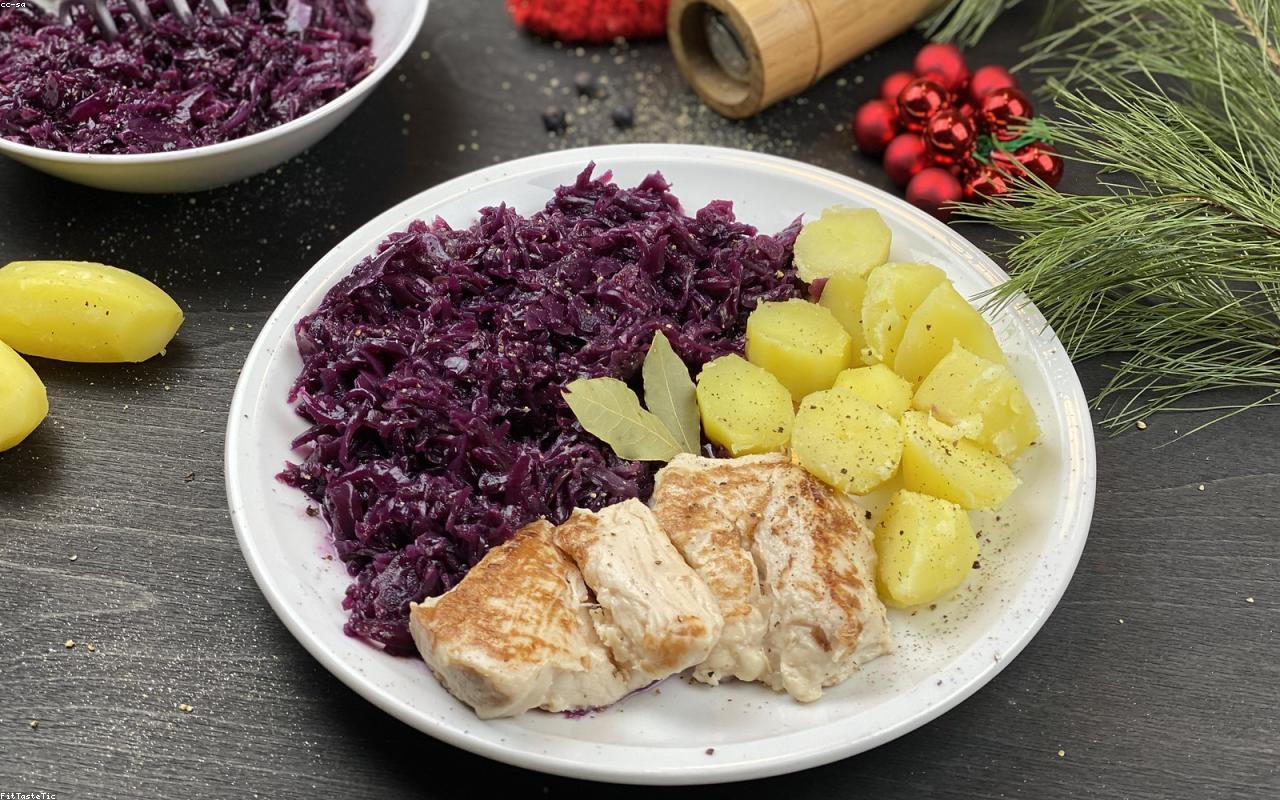
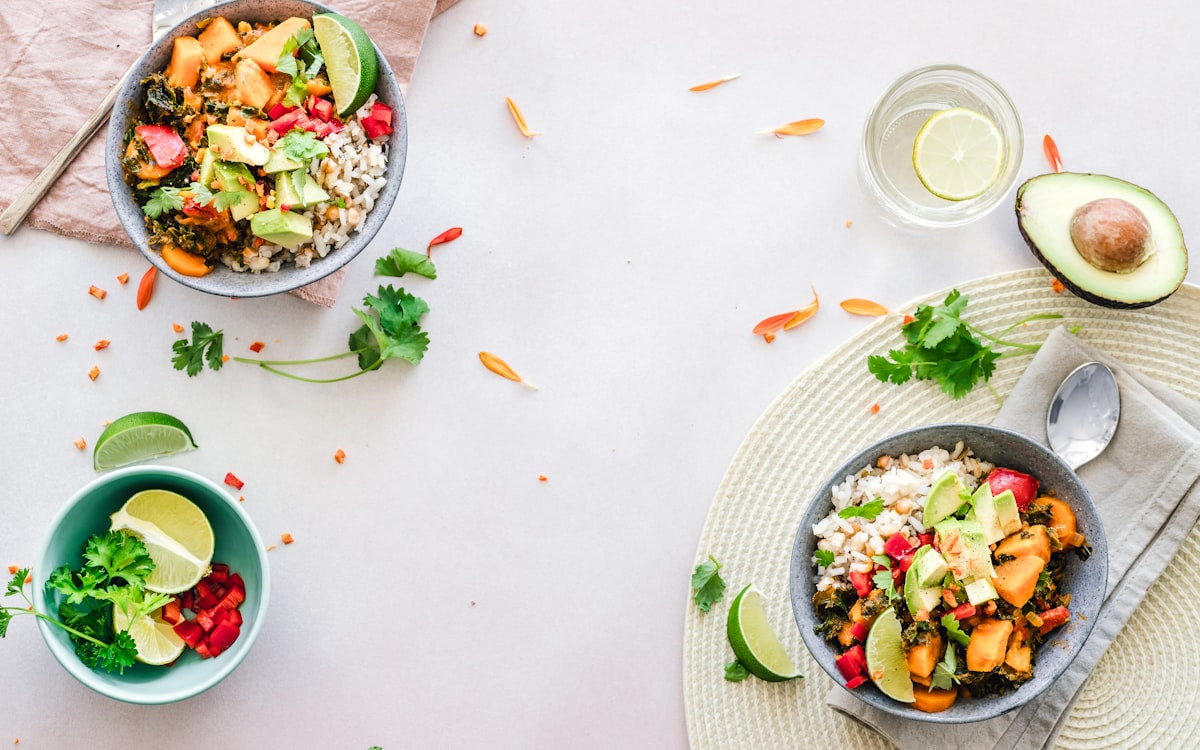
Half the plate is vegetables or fruit. A quarter is protein. A quarter is a starchy carbohydrate. Add a small amount of fat: a drizzle of oil, a slice of avocado, a scatter of seeds. That is the whole framework. Nothing needs to be weighed, and no app needs to be open at the table. Once the shape is familiar, you can build almost any meal from it.
Why half a plate of vegetables works
Most people who fall short of a healthy pattern are short on vegetables specifically. Half a plate is more than most modern dinners contain by default, so hitting this single ratio shifts the meal toward balanced almost on its own. It also lines up with wider guidance: the World Health Organization suggests at least 400 g, or five portions, of fruit and vegetables a day, and filling half your plate at each meal is the least fiddly way to get there. You do not have to count the portions if the ratio is doing the work. Variety helps as much as volume, so two or three different vegetables on a plate tend to serve you better than a large pile of one.
Judging the quarters without a scale
The ratios are easier to hit than they sound, because the plate itself is the measuring tool. Serve the vegetables first and let them take up genuine space, then fit the protein and the starch into what is left rather than the other way round. A protein portion around the size of your palm and a carbohydrate portion around the size of your cupped hand land close to the quarters for most people. These are starting points, not figures to police. The point is a rough visual balance you can repeat anywhere, including at a restaurant or a friend’s table. Plate size matters too: the same ratios on a very large plate deliver a bigger meal, so a smaller plate quietly resets portions that have crept up.
The protein quarter
Protein options are wide: chicken, fish, beans, lentils, tofu, eggs, cottage cheese, Greek yoghurt. The quarter does not have to be meat, and it can rotate across the week without much thought. If a meal leaves you hungry again within the hour, a slightly more generous protein quarter is usually the fix rather than a larger helping of everything. Rotating plant and animal sources across the week also spreads the cost, since tinned pulses and eggs are among the cheapest protein you can buy.
The starchy carbohydrate quarter
Rice, pasta, potatoes, bread, oats, quinoa. Whole grains are nutritionally preferred but not mandatory. The quarter is about portion, not category: you are not banning pasta, you are giving it a quarter of the plate rather than the centre. For most people this alone is a meaningful change, because starches are usually the part we over-serve when they sit at the heart of the meal.
The small fat component
A spoonful of olive oil over the vegetables, a few seeds on top, a quarter of an avocado, a little cheese. Healthy fats matter, and small amounts are enough. There is no need to return to the fat-free thinking of older diet advice; eat real fat, just not a great deal of it. A little fat also makes vegetables more appealing, which quietly helps the half-plate habit stick, and it carries flavour the vegetables cannot deliver on their own.
Salt and seasoning
Salt is the one seasoning worth a lighter hand than instinct suggests. It makes vegetables taste better, which is genuinely useful for the half-plate habit, but most of the salt people eat comes from bread, sauces and processed foods rather than the pinch added at the stove. The World Health Organization advises keeping salt under 5 g per day, and the same fact sheet suggests keeping free sugars under 10 percent of energy intake, ideally under 5 percent. Neither of these needs weighing either. Seasoning your own cooking with herbs, lemon, garlic and spice lets you lean on flavour rather than salt, and it means the vegetables carry their own appeal instead of depending on a heavy dressing.
Making it work on a busy week
The honest obstacle to half a plate of vegetables is usually time, not willpower. The simplest answer is to cook once and eat more than once. Roast a large tray of vegetables or cook a pot of greens, and you have the vegetable half of several plates ready in advance. Cooked leftovers keep for three to four days in the fridge, so a single session of prep can carry most of the working week. Beans, tinned fish and hard-boiled eggs do the same job for the protein quarter with no real cooking at all.
A little food safety keeps that prep worth eating. The fridge should sit at 40F (4C) or below and the freezer at 0F (-18C), which is worth checking with a cheap thermometer rather than trusting the dial. Cooked food should not sit out at room temperature for more than two hours, and no more than one hour if the kitchen is above 90F (32C), so getting leftovers into the fridge promptly rather than after the washing up is the habit that matters. Anything you will not eat within three to four days is better frozen in meal-sized portions for a night you had not planned for.
Using up what you prepped
Prepping vegetables only helps if you actually eat them, and a surprising amount of good food gets thrown away instead. The UN Environment Programme estimates that households waste about 79 kilograms of food per person per year, and that households account for 60 percent of all food wasted globally, roughly 631 million tonnes in 2022. Put another way, the report reckons about 1 billion meals are wasted worldwide every day. A plate method that leans on batch cooking can quietly work against that, because food cooked with a plan tends to get eaten.
Date labels are part of the problem, because they are widely misread. According to the USDA, except for infant formula, date labels are not required by federal law and are not safety indicators. A “Best if Used By” date points to quality rather than safety, and food showing no signs of spoilage is generally fine to eat past it. That does not mean ignoring your senses: trust smell, appearance and texture over a printed date, and when a food genuinely looks or smells off, throw it out. Used well, this turns the odd wilting vegetable or slightly past-date carton into the next plate rather than the bin.
What happens to snacks?
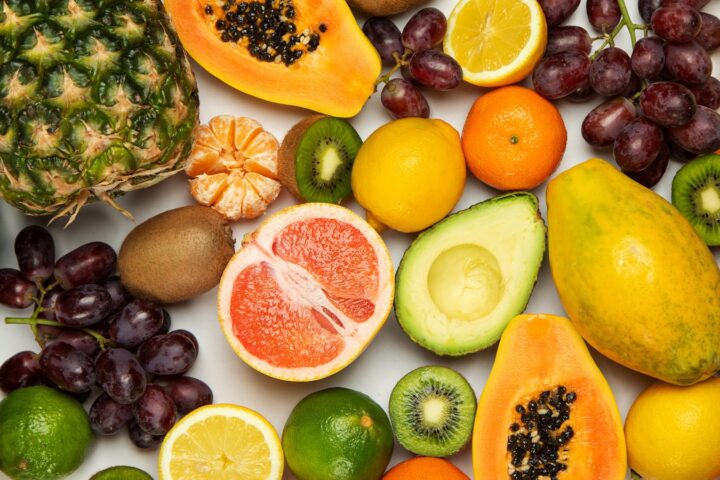
The plate method works mainly at meals, but snacks can follow the same logic at a smaller scale: a piece of fruit and a handful of nuts, a slice of toast with peanut butter, a yoghurt with seeds. The pattern repeats each time, some produce, a little protein, a modest carbohydrate and a small amount of fat, so snacking stops being a separate category to worry about. Fruit is the easiest way to keep the produce half of the day topped up between meals, and it counts toward the same daily target.
The drink in your hand counts too
A balanced plate can be undone by what sits beside it. The plate method deliberately says nothing about drinks, which is exactly why they are worth a separate thought. Water, tea or coffee alongside a meal keeps the pattern intact, while sugary drinks and frequent alcohol add a quiet load the plate never sees. Sugary drinks matter more than most single foods here, because they are one of the largest sources of free sugars in a typical day, and the WHO target of keeping free sugars under 10 percent of energy, ideally under 5 percent, is far easier to hit when the everyday drink is water rather than something sweet. You do not need to give anything up to notice the difference between an everyday habit and an occasional one.
Why patterns beat tracking
Tracking builds a relationship with food based on numbers. The plate method builds one based on patterns, and patterns survive bad weeks, travel, illness and busy schedules. Numbers require constant maintenance; a ratio you can see does not. That is the real reason the visual approach tends to last where logging quietly stops after the first busy stretch.
The honest limits of the plate method
For some specific goals, precise tracking has its place: athletic performance, certain medical conditions, structured weight loss under supervision. For everyday healthy eating, the plate method covers nearly everything most people need. If a doctor or dietitian has given you numbers to hit, follow those. The plate is a sensible default, not a rule that overrides medical advice made for your situation.
Building the habit
For a week, simply look at your dinner plate before you eat and notice the ratio. If vegetables are missing, add a quick side salad or some cooked greens. If protein is missing, add a boiled egg or a handful of beans. You are not overhauling anything; you are nudging the plate you already made. Over a few weeks the ratios stop being a decision you make and become the way your plate simply looks.
What this looks like in practice
A pasta dinner becomes pasta in one quarter, roasted vegetables across half the plate, and a portion of beans or grilled chicken in the remaining quarter, finished with a drizzle of olive oil. A roast dinner becomes a smaller portion of meat, mashed potato in a quarter, and plenty of vegetables filling the rest. A curry becomes a modest scoop of rice, a generous ladle of a vegetable-heavy sauce, and a visible portion of protein. It is the dish you were going to cook anyway, slightly rebalanced, rather than a different meal you have to learn from scratch.
The calm version of healthy eating
Eating built on patterns rather than precision is the version that tends to last. The household stops thinking about food anxiously, meals become a low-fuss act that quietly supports health, and there is nothing to fall off in the first place. It also leaves room for the parts a plate diagram cannot cover, like keeping sugary drinks occasional, going easy on salt and cooking a bit ahead, without turning any of it into a scoring system you have to keep up.
Frequently Asked Questions
Should I weigh my food on the plate?
No, not unless you have a specific medical or athletic reason. The visual approach is accurate enough for almost everyone and avoids the obsessive patterns that come with weighing.
Is the plate method enough for weight loss?
For modest, sustainable weight loss, often yes, especially combined with a small reduction in portion size and attention to drinks. For structured rapid loss, more precision may help temporarily.
What if my family eats different foods at the same meal?
The plate principle works for each individual plate. Different plates can have different protein choices, for example, while maintaining the same overall ratio.
Can I drink alcohol with this approach?
Yes, in moderation. The plate method does not prohibit anything. It just emphasises the foundational pattern of meals.
How does this work for vegetarians or vegans?
Easily. Replace the meat protein quarter with beans, lentils, tofu, eggs or dairy. The ratio stays the same regardless of the diet.