A household that packs lunches for everyone, week in and week out, makes a surprising number of small choices before the breakfast things are even cleared away. Left on autopilot, those choices quietly pile up into packaging, wasted food and money spent. Given a light structure, the same lunches settle into a routine that is quick to run, reasonably nourishing and genuinely lower in waste. The aim is not a flawless zero-waste performance but a system that survives a normal, rushed weekday.
Food waste is worth taking seriously because so much of it happens in kitchens rather than on farms or in shops. The UN Environment Programme’s Food Waste Index Report 2024 found that households account for about 60 percent of all food wasted globally, roughly 631 million tonnes in 2022, and that the average person throws away in the region of 79 kilograms of food a year at home. Set end to end, that adds up to roughly a billion meals binned worldwide every single day. A lunch routine that leans on what is already in the fridge, rather than a fresh supermarket run, is one of the most direct ways an ordinary family can push against those figures.
Start with the lunch kit
The kit does most of the quiet work. Each person needs a sturdy reusable lunchbox, a good water bottle and a handful of small containers for sides. The outlay is modest and a decent set lasts for years, replacing a steady stream of single-use bags, wrappers and plastic bottles. Stainless steel or a solid BPA-free plastic survives being dropped and thrown into a bag, and a leakproof bottle spares you the daily gamble of a soaked school jumper. Keep it all in one drawer or on one shelf so nobody is hunting for a matching lid early on a weekday morning, and keep an ice pack living permanently in the freezer so one is always ready. A box that is fiddly to clean ends up unwashed and then unused, so choose wide openings over clever compartments.

A prep window at the weekend
The engine of the whole routine is a single prep session at the weekend. It is less cooking than assembly of raw material, and a single short session usually covers the working week for a family. A typical session runs through a short, predictable list:
- Hard-boil a batch of eggs and leave them in their shells in the fridge.
- Wash and chop vegetable sticks: carrot, cucumber, pepper, celery.
- Portion crackers, cheese, nuts or dried fruit into small containers.
- Rinse and refill the fruit bowl so grab-and-go fruit is always to hand.
- Wash out the lunchboxes and bottles and line them up ready.
Almost none of this is real cooking; it is getting the ingredients into a state where weekday mornings become a matter of assembling rather than starting from scratch. Keep a running list on the fridge of anything you run low on mid-week, and let that list drive the weekend shop so the prep window is never short of an ingredient.
A simple lunch template
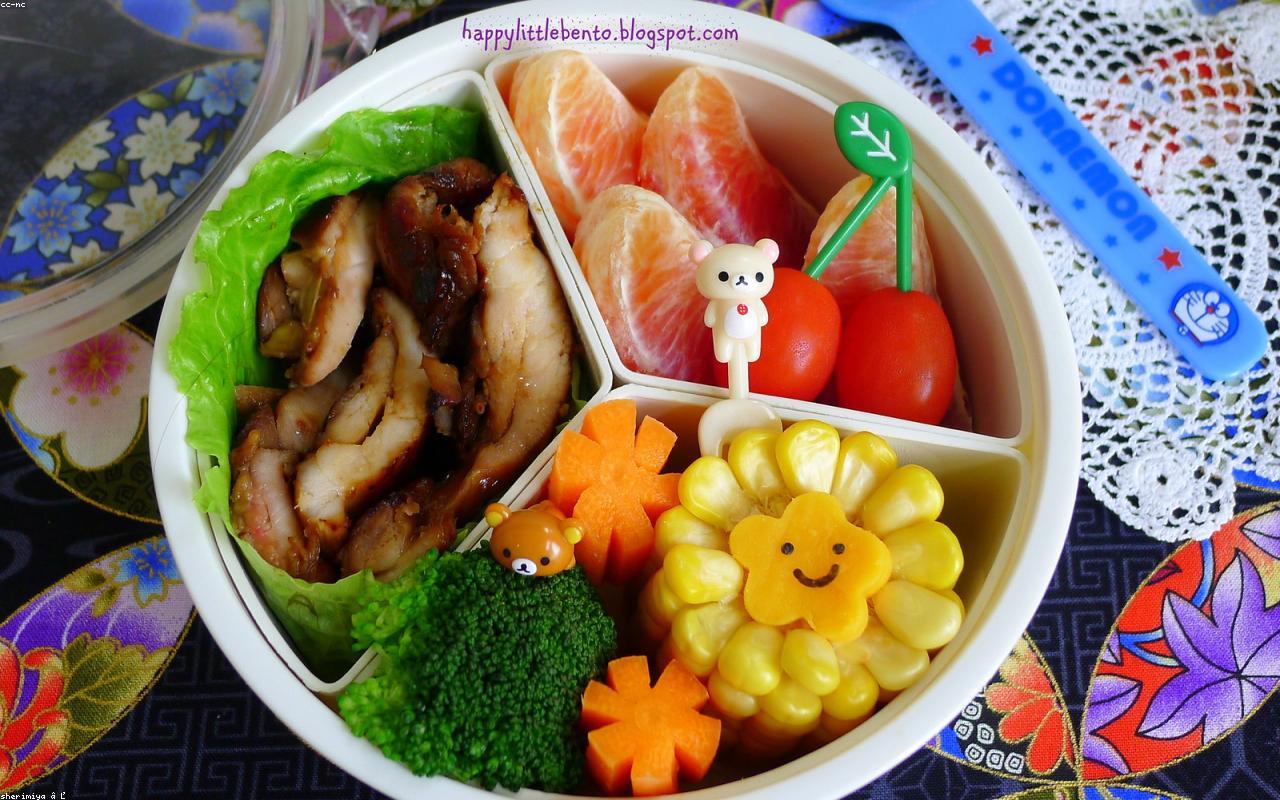
A repeatable template removes the daily “what do I pack” decision. The shape stays constant while the contents change from one day to the next:
- A main item: a sandwich, a wrap, or last night’s leftovers.
- A protein: egg, cheese or hummus.
- A vegetable side from the prepped sticks.
- A piece of fruit.
- A small treat.
- Water to drink.
That shape also nudges lunches in a healthier direction. The World Health Organization’s healthy diet guidance recommends at least 400 g, around five portions, of fruit and vegetables a day, so a box that always carries a vegetable side and a piece of fruit does a real part of that work before the child has even sat down to eat. The same guidance suggests keeping free sugars below 10 percent of energy intake, and ideally under 5 percent, which is a good argument for making the treat genuinely small and occasional rather than the centrepiece. It also advises keeping salt under 5 g a day, worth remembering when the easy lunchbox fillers, processed meats, crisps and shop-bought snack bars, tend to be the salty ones. Letting the plainer, more filling items take up most of the room handles both the sugar and the salt without any special effort.
Weekday assembly
With the prep done, assembly is short. Prepped items come out of the fridge, the sandwich is made fresh so it does not go soggy, and the box is closed. Most families can build a full set of lunches in not much more than the time it takes to lay everything out on the counter. Storing the components together, at a consistent spot in the fridge, turns packing into a grab rather than a search, which is the difference between a calm morning and a frantic one. A week’s mains might run sandwich, wrap, leftover pasta, cheese and cracker box, then leftover stew in a thermos, with the protein, vegetable and fruit rotating underneath.
Bring children into it
Children who help pack are more likely to eat what ends up in the box. Older ones can assemble their own from the prepped components; younger ones can pick from a small set of options you hold up. This is less about offloading the chore and more about giving them a stake in it, and it quietly teaches a skill they will use for the rest of their lives. It also gives you honest feedback: the items that keep coming home untouched are the ones to rotate out without ceremony.
Keeping food safe
A packed lunch usually sits out for hours before it is eaten, so a little care matters. It starts in the fridge itself. US guidance in the cold food storage chart is to keep the refrigerator at 40F (4C) or below and the freezer at 0F (-18C), the baseline that keeps prepped ingredients safe across the week. An insulated box with a frozen ice pack then keeps things cool through the morning. The same guidance says perishable food should not sit at room temperature for more than two hours, and no more than one hour above 90F, so an ice pack is not a nicety in a warm classroom or a hot playground. When you build lunches from leftovers, that guidance notes that cooked leftovers keep 3 to 4 days in a properly cold fridge, which fits neatly with a weekend cook-up feeding the first part of the week. Anything older than that is better redirected to the freezer than to a lunchbox.
Using up what is already there
A lot of household waste comes from throwing out food that was never actually spoiled, usually on the strength of a printed date. According to the USDA’s guidance on food product dating, apart from infant formula, date labels are not required by federal law and are not safety indicators. A “Best if Used By” date speaks to quality, not safety, and food showing no signs of spoilage is generally fine to eat past it. That is a licence to trust your eyes and nose over the printed date on the yoghurt or the crackers, while still throwing out anything that smells off or looks wrong. Building lunches partly from items nearing their dates is one of the most reliable ways to stop food being wasted.
Hot lunches with a thermos
A small thermos widens the menu well beyond sandwiches: warm soup, a scoop of last night’s stew, a grain bowl. It breaks up the monotony that eventually sinks any lunch routine, and it is another easy way to carry leftovers rather than buy something new. Warm the food thoroughly, fill the thermos while everything is properly hot, and it will still be pleasant by midday.
What to leave on the shelf
The routine works better without the pre-packaged lunch kits, single-serve snack bags and individually wrapped items from the supermarket. They cost more per gram, generate a lot of packaging for what is inside, and tend to be more processed, and more salty and sugary, than a piece of fruit and a handful of nuts. Skip the disposable cutlery too; a fork from the drawer does the same job and comes home to be washed with everything else.
The money side
Packing beats buying on cost, and the gap is not small over a school year. A shop-bought lunch is paid for fresh every single day, while a packed one draws on ingredients bought in bulk and on leftovers that would otherwise be thrown away. Families who stick with the routine through a full year tend to notice the saving in their weekly spend without ever having tracked it closely. The lower-waste choice and the cheaper choice turn out to be the same choice.
Adult lunches on the same system
Adults fit the same template with little extra effort. Last night’s dinner in a container, a salad in a reusable box, soup in the thermos. Because the prep window already exists, adding grown-up lunches to it costs a few components more rather than a separate routine, and it spares the daily decision about whether to buy something at work, and it keeps the whole household drawing down the same prepped ingredients so less is wasted.
Variety without complexity
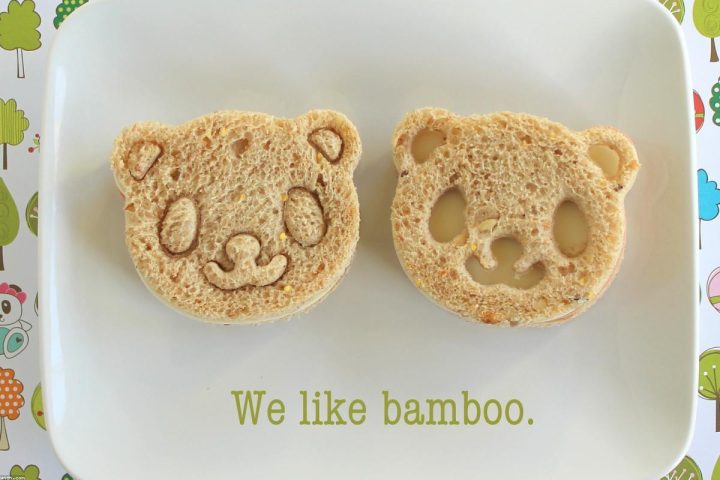
Variety comes from rotating components, not from inventing a new recipe each day. A different protein, a different fruit, a different vegetable, and the box feels fresh while the underlying system never changes. The elaborate lunches, the ones that need a special shop and a clever assembly, are usually the first to be abandoned when a week gets busy. Keep the ambition in the ingredients, not the method.
Where routines fall down
Most lunch routines collapse at one of two points: a missing item, such as no bread, no clean box or no fruit, or a skipped weekend prep. Both are solved the same way, by treating the restock and the wash-up as a fixed part of the weekend rather than an optional extra. It helps to keep a small backup shelf of shelf-stable standbys, such as a jar of nut butter, some oatcakes or tinned fruit, for the morning something has run out, and a date about quality rather than safety keeps those standbys useful for a long time. Protect the prep window and the rest looks after itself.
The quiet payoff
Run consistently, this kind of routine tends to deliver less morning stress, less packaging in the bin, a bit more money kept back, and children who are happy to open their lunchbox because they had a hand in filling it. None of it is dramatic on any single day. It simply adds up, quietly, across a school year, which is exactly why a plain and repeatable system beats an ambitious one that lasts a fortnight.
Frequently Asked Questions
How long does the initial setup take?
Around 2-3 hours for shopping for lunch kit items and setting up the prep system. After that, the weekly time investment drops to about an hour for prep plus 15-20 minutes for daily assembly.
What about food safety with packed lunches?
Insulated lunchboxes with frozen ice packs keep food safe for several hours. Avoid leaving lunches unrefrigerated for more than 4-5 hours. Choose items that are robust to room temperature when possible.
How do I make lunches interesting day after day?
Rotate components rather than entire menus. Different fruit, different protein, different bread. The structure repeats; the details vary.
What if my child brings the lunch home uneaten?
Common. Talk gently to understand why. Adjust portions. Try different items. Pack smaller and add a freezer pack so leftovers are still good for snacks. Refusal is usually about a specific item, not the whole concept.
Is reusable lunch packaging really better than disposable?
Yes, almost always after a few months of use. The lifetime of one good lunchbox eliminates hundreds of disposable bags and containers.