The family snack aisle is a triumph of marketing. Nearly every product is brightly coloured, individually wrapped, stamped with a health claim, and sold at a generous margin. Most of it is unnecessary. Swapping it for simple food made at home is one of the easier sustainability wins open to families, and the budget and health benefits are real rather than aspirational. None of what follows asks for much effort; mostly it asks for the willingness to walk past the marketed aisle and reach for plainer things.
What the marketing actually sells
Much of the aisle is processed food dressed as nutrition. Yogurt tubes carry added sugar. Cereal bars can hold as much sugar as confectionery. “Lunchbox-sized” portions often cost several times the per-gram price of a larger pack of exactly the same thing. The words on the front of the box tend to be the most flattering reading possible of what sits inside.
Sugar is the part worth watching most closely. The World Health Organization advises keeping free sugars below ten percent of daily energy intake, and ideally under five percent. A single sweetened snack bar with a juice drink alongside it can use up a child’s sensible daily share before lunch has arrived. Reading the ingredient list rather than the claim on the front is the quickest way to see what you are really buying.
Salt is the quieter problem, and packaged savoury snacks are where it hides. Crackers, flavoured crisps and cheese-coated bites can carry far more than their plain equivalents, and the WHO also advises keeping salt under five grams a day. Making the same foods at home puts that dial back in your hands rather than the manufacturer’s. Plain crackers, home-popped corn and unsalted nuts all deliver the crunch without the load, and a light hand with the salt shaker is easy to control once the food is coming out of your own kitchen.
A simple family snack list
The alternatives are ordinary and cheap. Whole or sliced fruit. Cheese. Plain crackers rather than a premium version. Hard-boiled eggs. Plain yogurt, with a little honey or fruit stirred through if wanted. Peanut butter on toast or apple slices. Popcorn made from kernels. Carrot sticks with hummus. Bananas. Trail mix put together at home from nuts, seeds and dried fruit.
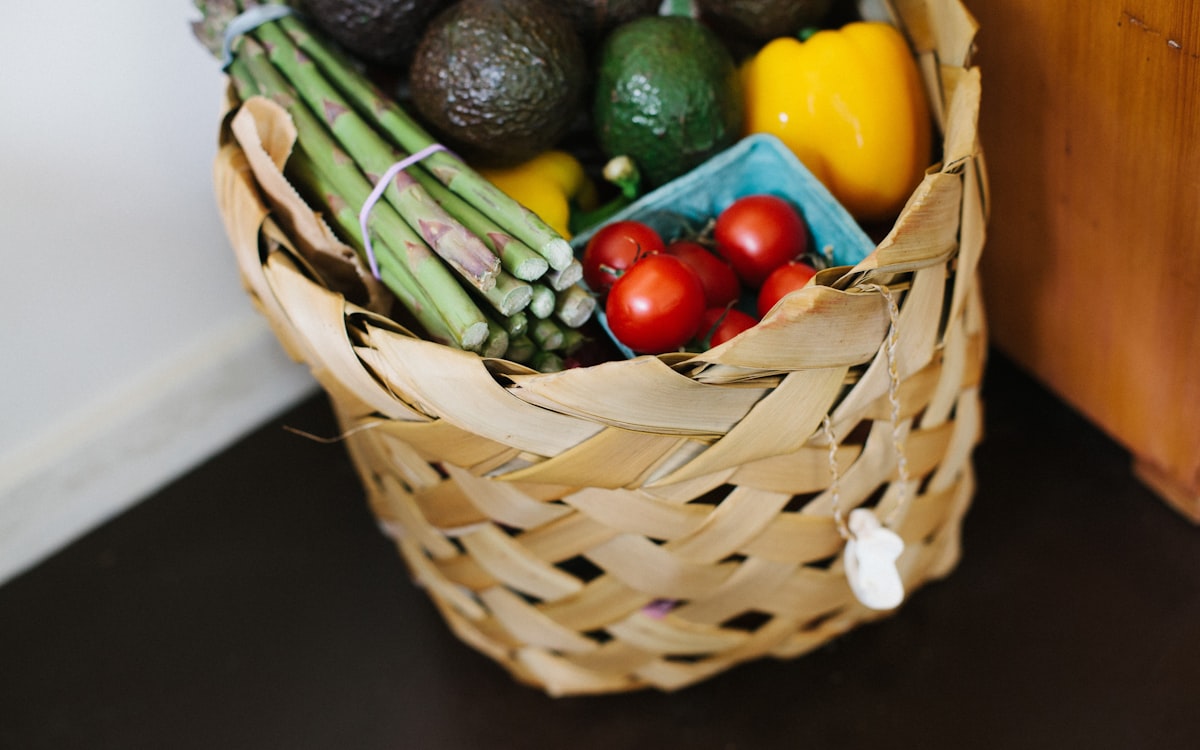
The trick to a satisfying snack is pairing something with a little protein or fat, such as cheese, egg, nut butter or yogurt, with a fruit or vegetable for staying power and flavour. That combination also keeps the day’s fruit and vegetables moving in the right direction; the WHO recommendation of at least five portions, or 400 g, a day is easier to reach when snacks contribute to it rather than crowd it out. An apple with a spoon of peanut butter, a small pot of yogurt with berries stirred in, or carrot sticks beside a scoop of hummus each carry a portion of produce inside something a child will actually finish.
Variety here means rotating a familiar handful rather than chasing a new branded product each week: fruit on some days, cheese and crackers on others, eggs or trail mix when the week allows more preparation. A small, settled set removes the daily decision and keeps the marketed aisle out of the habit entirely.
A few things worth batching
A handful of items reward a little home preparation more than the rest. Popcorn made from kernels costs a fraction of the microwave bags and lets you control the salt and oil; a large bag of kernels keeps for months in a sealed jar and turns into snacks in a couple of minutes on the hob. A batch of hummus stretches a bag of dried chickpeas across a week of carrot sticks and crackers. Plain oats, banana and a little nut butter bake into simple bars with none of the added sugar of the shop version. Made in quantity at the weekend and split into containers, these carry a family through several days of lunchboxes at once.
Batching only saves money if the batch gets eaten before it turns, so it helps to know how long each thing lasts. FoodSafety.gov puts most cooked, refrigerated leftovers at three to four days, which is a sensible window for a tub of hummus or a tray of oat bars kept in the fridge. Anything you cannot get through in that time is better frozen: the same chart recommends a freezer at 0F (-18C) or below, and oat bars in particular freeze well and thaw in a lunchbox by mid-morning. Cooking once and portioning for several days turns an hour at the weekend into snacks you never have to think about again.
Portioning from larger packs
The single most useful habit is buying larger packs of the basics and portioning them yourself. Set aside a little time at the start of the week to divide crackers, dried fruit, nuts or popcorn into small reusable containers, ready to drop into lunchboxes and hand over after school. Per gram this costs a fraction of the single-serve version, and the packaging waste falls away almost entirely once the tubs and pouches are reused week after week.
The same habit chips away at food thrown out, which is a larger problem than most households picture. The UN Environment Programme estimates that households waste about 79 kilograms of food per person each year, and that homes account for sixty percent of all food wasted worldwide, close to 631 million tonnes in 2022. Buying deliberately and portioning what you buy means less sits forgotten at the back of the cupboard, and it lines up a small domestic saving with a genuinely large collective problem.
Families sometimes avoid the bigger pack for fear it will spoil before it is finished. It helps to know that, in the United States, most date labels are not required by federal law and are not safety indicators. A “best if used by” date points to quality, not safety, and dry-store items such as crackers, oats and nuts stay perfectly good well past it if they show no signs of spoiling. Trusting your senses over the printed date trims both waste and needless spending, and with the UNEP figures putting global food waste at roughly one billion meals a day, the printed date is worth reading with a sceptical eye.
Keeping lunchbox snacks safe
Some of the best home snacks are perishable: hard-boiled eggs, cheese, yogurt, cut fruit. A little care keeps them safe between the kitchen and the lunch table. FoodSafety.gov advises keeping the fridge at 4C (40F) or below and not leaving perishable food at room temperature for more than two hours, or only one hour above 90F. For a lunchbox that means an insulated bag or a small ice pack when it is warm, and treating cut fruit and dairy as things to eat during the morning rather than leave sitting until home time.
In practice, a couple of small routines cover most of the risk. Pack perishable items straight from a cold fridge, and slide a frozen water bottle or ice pack in alongside them on warm days so the box stays cool through the morning. Firmer choices such as whole fruit, plain crackers, unsalted nuts and dry oat bars sidestep the two-hour clock altogether, which makes them the safer default when the day is likely to be hot.
The drinks trap
Single-serve juice boxes, flavoured milks and fruit-flavoured drinks are among the most expensive and least useful things in the trolley. Many carry a surprising amount of sugar for something marketed as wholesome, in packaging designed to look like a health product. Even drinks sold as juice count towards the free-sugars limit, so a couple of cartons can quietly account for a large share of a child’s daily allowance on their own. Water, plain milk, or the occasional homemade smoothie meet the same need for far less money and far less sugar. A refillable bottle of water does most of the job on its own, and removes a stream of small cartons and pouches from the weekly bin.
Seeing through “healthy” claims
Front-of-pack language is written by marketers, not nutritionists. “Made with real fruit” can mean a trace of fruit in a heavily sweetened product. “Whole grain” can mean a token amount sitting alongside refined flour. “Natural” carries very little legal meaning at all. The reliable signals are the ingredient list and the sugar figure on the back, read in that order and trusted ahead of anything on the front. Where a salt or sodium figure is given, it is worth a glance too, since the WHO’s five-gram-a-day guidance is easy to overshoot on savoury packaged snacks without noticing.
A quick rule at the shelf helps: the shorter the ingredient list and the closer the food is to something you could have made yourself, the less the marketing has had to work to sell it.
What children actually prefer
Children mostly like what is familiar. The marketed snacks often win on branding rather than flavour, and a child offered simple home snacks consistently tends to settle into them within a few weeks. Introducing them gradually helps: replace one packaged item at a time rather than clearing the cupboard overnight, and let the new pattern become the ordinary one before moving to the next. Letting children help portion the week’s snacks into their own tubs tends to speed that along, since food they have had a hand in usually meets less resistance.
Social occasions are the exception worth relaxing about. Birthday parties and days out are a fine place for the marketed treats, and the pattern across a whole week matters far more than any single afternoon. Children who are allowed those snacks freely at parties tend to be less fixated on them the rest of the time.
The habit this builds
Most families never give up packaged snacks entirely, and there is no need to. The shift is simply moving the default from packaged to home, keeping the occasional bought item as exactly that, occasional. Over a year the saving adds up to a meaningful sum, the packaging waste shrinks, and the food on offer is usually more nourishing. Set against the scale of household food waste the UNEP report describes, the habit of buying in bulk and using what you buy is a small domestic version of a change the whole food system badly needs.
The quieter reward is what children take from it. When snacks routinely come from the kitchen rather than a wrapper, real food becomes the normal thing and packaged items become the treat. Those early defaults tend to shape how people eat long into adult life, which is what makes such a small, unglamorous change worth making.
Frequently Asked Questions
Are packaged "healthy" snacks really worse than they seem?
Most are slightly better than candy but much worse than they appear. Many contain comparable sugar to confectionery. Read ingredient lists rather than front-of-pack claims.
How do I handle peer pressure around packaged snacks at school?
Most children adapt to the household norms. Occasional packaged items in social situations are fine. The everyday pattern is what matters.
What is the best home snack for school?
A combination: fruit, cheese or hard-boiled egg, a small portion of crackers or oat bar. The variety covers different appetites and tastes.
Are homemade snacks really cheaper?
Significantly. Per gram, homemade portions cost a fraction of single-serve packaged equivalents.
How do I introduce home snacks if my child is used to packaged?
Gradually. Replace one packaged snack at a time with a home equivalent. Within a few weeks, the new pattern feels normal.