A sustainable family pantry is not the photogenic wall of matching jars. It is a small, well-chosen collection of versatile staples that rescue a tired Wednesday and stretch the shopping budget. What follows is a realistic list for a family of four, with a note on why each item earns its place on the shelf.
Grains and starches
Keep dried pasta in two shapes, so that both a quick supper and a baked dish are covered. Add brown rice, or basmati if the family prefers it, and a bag of rolled oats for breakfasts and baking. Plain flour earns its keep across pancakes, sauces and simple bread. A quick-cooking grain such as couscous or quinoa gives variety on nights when there is no time to wait for rice to simmer. Between them, these few items handle breakfasts, side dishes, dinners and a good deal of baking. The trick is to let them flex: a larger pot of rice than you need becomes a fried-rice supper the next evening, folded through frozen peas, egg and a splash of soy.
Beans and lentils
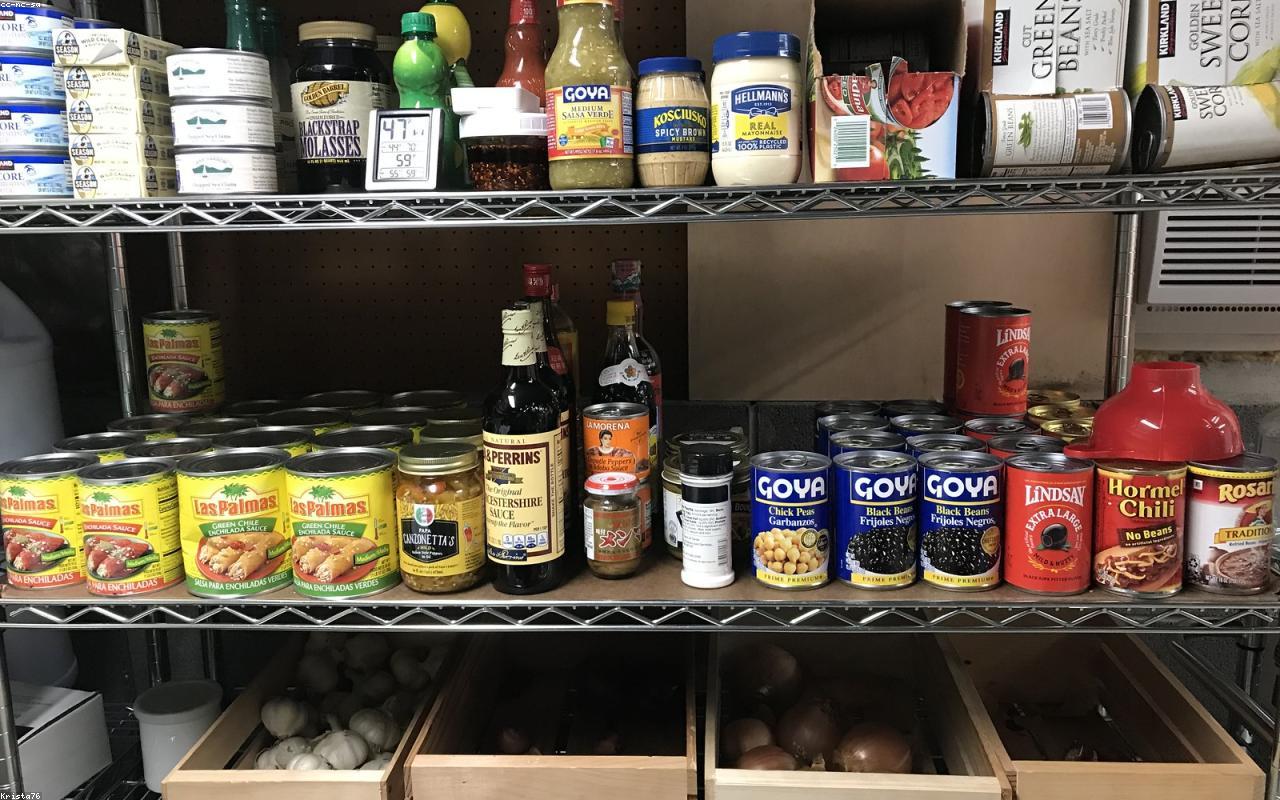
Tinned chickpeas are the fastest route to a meal, ready to fold into a curry or roast for a salad. Keep tinned white or kidney beans for stews and pasta, where they add body and protein without an extra shop. Dried red lentils cook in minutes and need no soaking, so they suit a weeknight dal or a thickened soup; dried brown or green lentils hold their shape and belong in slower stews. This group is the protein backbone of cheap, sustainable family eating.
One worked example shows how little it takes. Soften a chopped onion, garlic and grated ginger in oil, stir in cumin and curry powder until fragrant, then add red lentils, a tin of chopped tomatoes and water to cover. Simmer until the lentils collapse into a soft dal, finish with a little coconut milk, and you have fed four almost entirely from the dry store. The same base logic scales up: chickpeas roasted with paprika crisp into a salad topping, and kidney beans with tomatoes and spice make a chilli that improves overnight.
Tinned goods
Tinned tomatoes, both chopped and puréed, are the single most useful thing on the list. They underpin pasta sauce, stews, soups, dals and baked dishes, and a pantry without them works much harder for every meal. Tinned fish such as sardines, mackerel and tuna add protein and flavour for very little money. Coconut milk turns a handful of spices into a curry, and a jar of olives supplies instant savour. Together these turn dry-store ingredients into substantial meals. A few tins of fish in reserve, mackerel on toast with lemon or tuna stirred through pasta, mean there is always a fallback supper that stops a tired evening becoming a takeaway.
Sauces and condiments
A little goes a long way here. Keep a good olive oil for finishing and a neutral oil for high-heat cooking. Soy sauce or tamari, mustard, apple cider vinegar and a jar of honey or maple syrup between them cover the salty, sharp and sweet notes that lift plain base ingredients. The trick is to reach for the note a dish is missing: a flat bean stew wants acid, so a spoon of vinegar does more than salt would, and a thin stir-fry wants the salty depth of soy. Learning that by ear is why it is worth spending a little more on these few bottles than on the staples they season.
Aromatics
Garlic, onions and fresh ginger are the foundation of countless cuisines and the starting point for most savoury cooking. Bought fresh and stored somewhere cool and dark, they keep for weeks rather than days. It is worth having all three in the house at all times, since they turn a bag of pantry staples into the beginnings of a real dish. Store onions and garlic out of the fridge and apart from potatoes, and keep ginger in the freezer to grate straight from frozen.
Herbs and spices
A small rack that gets used does more than a large one that does not. Salt and black pepper are the daily essentials; cumin, sweet and smoked paprika, curry powder, dried oregano and dried thyme cover a remarkable range of family dishes between them. Spices fade rather than spoil, losing their punch over months, so buy them in modest quantities and replace the ones that have gone dull rather than hoarding jars you rarely open.
Spices also let you cut back on salt without the food tasting bland. The World Health Organization advises keeping salt under 5 g a day, and most family cooking is seasoned at the stove rather than at the table. Building flavour with toasted cumin, smoked paprika, garlic and a squeeze of acid means a dish tastes complete with much less salt.
Baking basics
Flour, sugar, baking powder, bicarbonate of soda, yeast, cocoa and vanilla extract are enough to produce pancakes, biscuits, bread and simple cakes without a special trip to the shop. Home baking also uses up the odd handful of fruit and nuts below, which is a quiet way of keeping waste down and turning near-forgotten ingredients into something the children will actually eat.
Baking at home also puts you in charge of the sugar. The same WHO guidance suggests keeping free sugars under 10 percent of energy intake, and ideally under 5 percent, which is far easier to manage when you can taste the batter and lean on ripe banana, dates or a spoon of cocoa for flavour rather than piling in sugar by habit.
Nuts, seeds and dried fruit
Peanut butter is the workhorse: protein, fat and flavour in a single jar. Add almonds or walnuts and a bag of sunflower seeds for texture in salads and porridge. Raisins and dates bring sweetness and keep well, useful in oats, baking and lunchbox snacks. Because nuts and seeds carry more oil than grains, they turn stale sooner, so buy them in amounts the family will get through in a month or two, and keep them somewhere cool rather than a warm cupboard.
The freezer and fridge
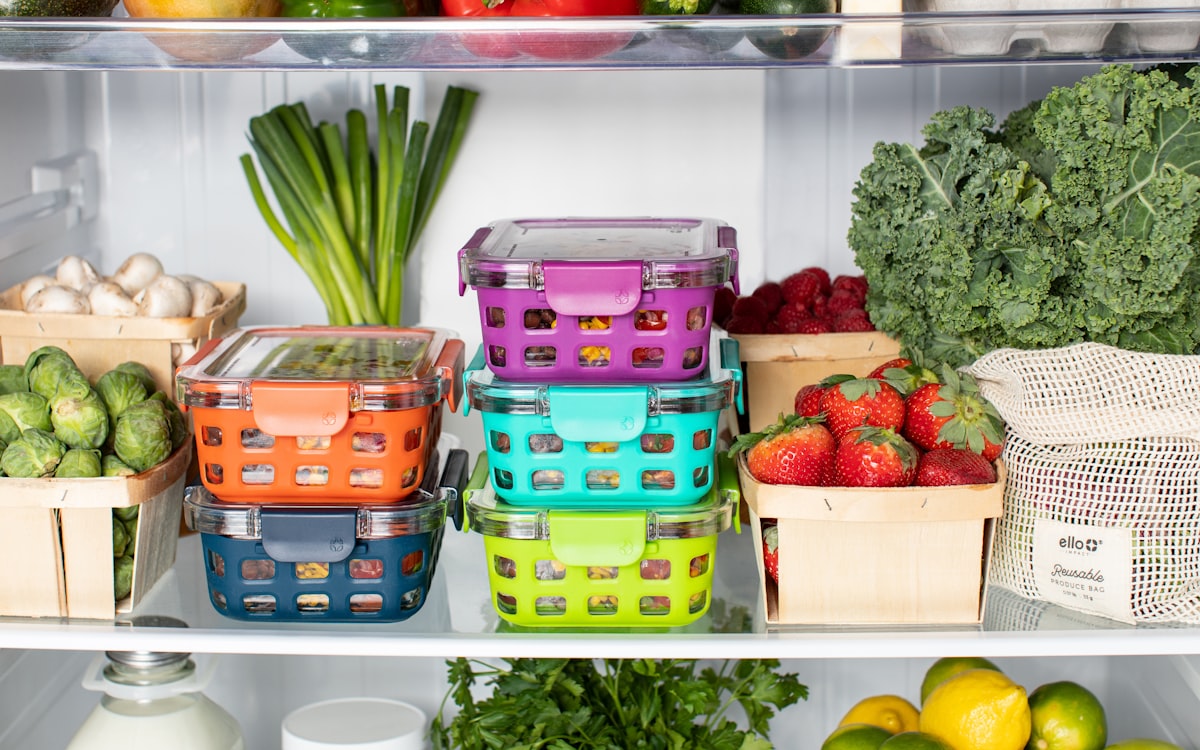
The freezer is the pantry’s fresh extension. Frozen peas, broccoli, spinach and berries, along with bread and portioned meat or fish, cover the vegetables and proteins that a dry store cannot. Frozen vegetables are picked and frozen quickly, so they are a dependable, low-waste choice on quiet nights when the fresh drawer is empty. The refrigerator anchors the rest: eggs, cheese, butter, plain yoghurt and milk or a plant alternative pair with pantry staples to produce almost any family meal.
Frozen vegetables also make a daily health target more achievable. The WHO recommends eating at least 400 g, or five portions, of fruit and vegetables a day, and a bag of frozen peas or spinach stirred into a curry, sauce or bowl of oats counts towards that just as fresh produce does, with none of the pressure to use it before it wilts. The freezer is also the natural home for the leftovers of a big cook-up: doubling a pot of dal or chilli takes little extra effort, and the second half, frozen in portions, gives a future evening a dinner already made.
Storage temperature is what keeps all of this safe and usable. Standard cold-storage guidance is to hold the refrigerator at 40F (4C) or below and the freezer at 0F (-18C). It also helps to know the working limits: cooked leftovers keep three to four days in the fridge, and perishable food should not sit at room temperature for more than two hours, or more than one hour in a warm kitchen above 90F. Knowing these figures means fewer items are thrown out on a guess and fewer are eaten when they should not be.
What not to stock
Leave off single-use specialty items bought for one recipe and then forgotten. Skip premium versions of things you already own at standard quality, and premium oils for everyday frying when a basic oil does the job perfectly well. Be honest about snack items too: stock what you have chosen to provide, not whatever happens to fill a gap at the till. Each of these is money spent on shelf space rather than on meals.
How much to buy
Buy enough to ride out a busy week without an extra shop, and no more than that. A standard double cupboard is plenty for a family of four; if the store is spilling into a second cabinet, it is probably holding things that are not being used. For most families that means being generous with grains, beans and oils, modest with spices and condiments, and tight with novelty items that seemed a good idea in the aisle. The point of a store is to smooth over the gaps between shops, not to become a warehouse.
The rotation habit
Use the oldest items first, check the shelves every few weeks to spot anything that has been sitting, and replace as you go rather than restocking everything at once. A light tidy now and then is enough; constant elaborate organising is its own kind of waste. Pulling older tins to the front as you unpack the shopping does most of that work for you.
It also helps to read date labels correctly rather than treating them as strict deadlines. In the United States, for example, most date labels are not required by federal law and are not safety indicators: a “best if used by” date speaks to quality, not safety, and food showing no signs of spoilage is generally fine to eat past it. The one exception the guidance singles out is infant formula, which should be used by its date. For everything else, judging by look and smell rather than the printed date alone keeps edible food out of the bin.
What the pantry is really for
Setting up a store like this costs a modest sum, and the ongoing weekly cost is small. The larger saving is in waste avoided. Households are responsible for the majority of the food thrown away worldwide, around 60 percent of it, which came to about 631 million tonnes in 2022, or roughly 79 kilograms per person over a year. Put another way, something close to a billion meals are wasted around the world every day. A pantry built around versatile staples, a working freezer and a steady habit of rotation is a direct answer to that. It handles most weeknights from what is already on the shelf and cuts the pull towards a last-minute takeaway. Stocked with a little thought and turned over with care, it is one of the plainest ways a household can eat well, spend less and throw away far less than it otherwise would.
Frequently Asked Questions
How long do pantry staples actually last?
Dry beans, rice, oats, sugar and salt easily last 1-2 years properly stored. Whole grains slightly less. Spices noticeably lose punch after 6-12 months. Oils oxidise gradually over months.
Should I buy organic pantry staples?
For most pantry staples, the difference is modest. The categories where organic matters most (skin-on produce, fresh meat, certain berries) are rarely pantry items.
How big a pantry does a family of four actually need?
A standard double cupboard is plenty. If items are spilling beyond that, the pantry is probably storing things that are not being rotated.
What is the single highest-leverage pantry item?
Tinned tomatoes. They underpin pasta sauce, stews, soups, dals, curries and baked dishes. A pantry without tinned tomatoes runs much harder.
How often should I reorganise the pantry?
A light tidy every few weeks. A full assessment twice a year. Constant elaborate organising is itself a waste of time and energy.