There is a reason hot weather draws out salads and cold weather draws out stews. The body tends to know what it wants, and a kitchen that works with the weather rather than against it is calmer, more energy-efficient and quietly more sustainable. This is an old habit, older than the phrase “seasonal eating”, and it costs nothing to return to. Most of it is simply noticing what the day is already asking for and letting the cooking follow.
Heat the oven when the air is cold
Winter is the natural season for slow braises, long roasts and bread baking. The oven warms the kitchen while it works, so the energy it draws is not wasted; it doubles as heat the house would otherwise need anyway. The same roast in high summer fights your fans or air conditioning, spending energy on both sides of the wall. When the air outside is cold, lean into the dishes that ask for a low oven and a long wait. A pot of dried beans, a tray of roots, a shoulder of something cooked until it gives way at the fork: these belong to short days, and they reward being left alone.
The most efficient thing you can do with a hot winter oven is fill it, since heating a large box of air to roast one tray is generous with energy and mean with results. If the oven is already on for a joint or a casserole, slide in a second tray of roots to keep for the week, blister a batch of tomatoes for a sauce, or dry the heel of a stale loaf into crumbs on the bottom shelf. One heating, several outcomes, and less to cook on the cold nights that follow. Dried beans are the clearest example of this thrift: a single long, slow session gives you the base for soups, stews and cold lunches for days.
Keep the oven off when the air is hot
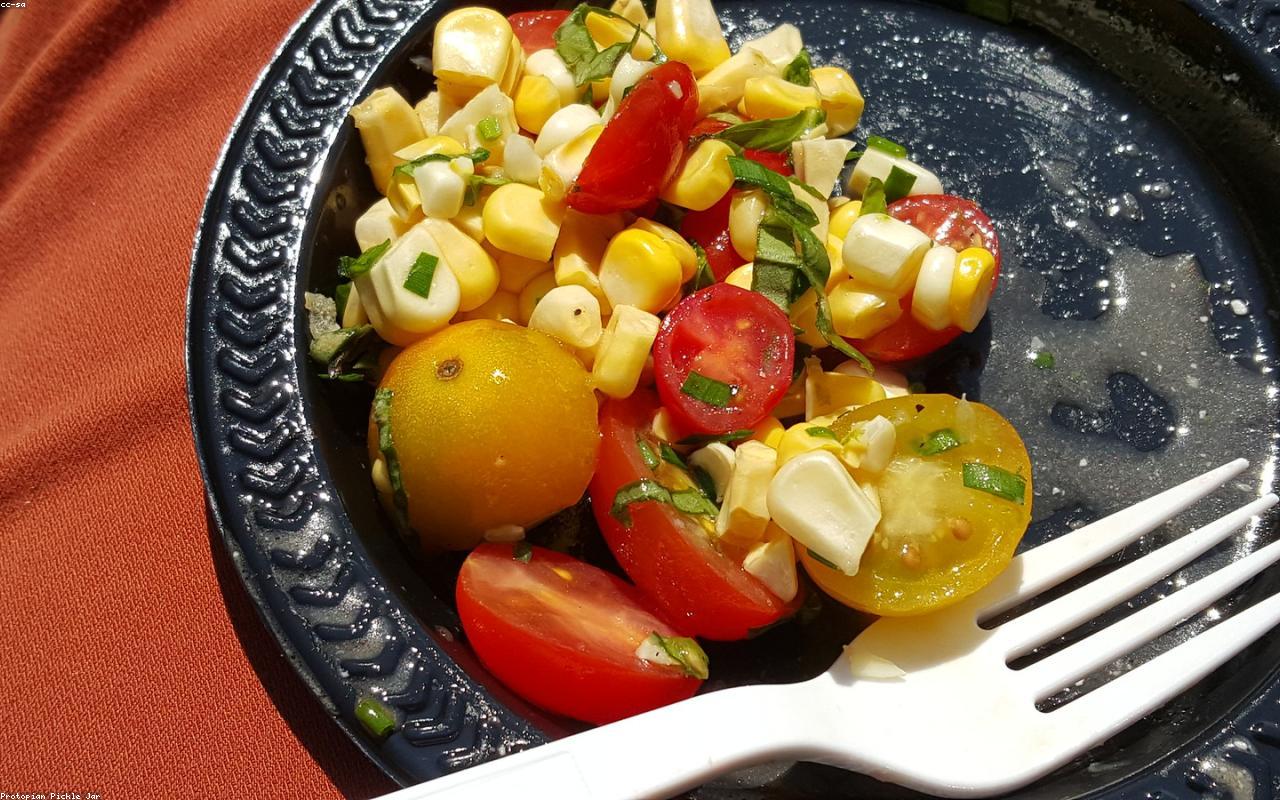
Summer cooking rewards you for leaving the oven alone. Salads, grain bowls, no-cook sauces, quick stir-fries and dishes served at room temperature keep the kitchen from turning into a second radiator. The body stays comfortable, the room stays liveable, and dinner matches the mood of a long, warm evening. A single gas ring or a hot pan does far less to the room than an oven left on for a long roast, so the same appetite for something fresh and light also happens to be the cooler choice for the whole flat.
It helps to keep a small repertoire of assembly meals for the hottest weeks, dishes that are more arranging than cooking. A tin of pulses rinsed and dressed, a good oil, a handful of herbs, a quickly pickled onion, a boiled egg, some bread and cheese: that is dinner with the hob touched for a few minutes at most. If you must use heat, cook once in the cool of the morning and eat it cold later.
The soup-and-salad symmetry
Soup and salad are mirror images on the kitchen calendar. One warms from the inside in winter; the other cools and refreshes in summer. If you let each become the default shape of dinner in its season, soup-shaped meals when it is cold and salad-shaped meals when it is hot, a good deal of the daily “what shall we eat” question answers itself. The structure is already there. You are only choosing the fillings, and that is a far smaller decision than starting from a blank page every evening. Both shapes are also forgiving of odds and ends: the stray carrot, the wilting herbs and the last of the greens all disappear happily into a pot or a bowl.
Why bread prefers cool weather
Bread is a useful example of the kitchen following the weather without being asked. Dough behaves better in cool conditions: it proves at a steady, predictable pace and is easier to judge by hand. In hot weather the same dough races ahead, over-proves and turns slack and difficult to shape. Baking also puts the oven to its most generous use in winter, when the warmth it throws off is welcome rather than oppressive. Letting the calendar set your baking schedule tends to produce better loaves with less frustration, and the smell fills a cold house in a way it never quite does in July.
If you do bake in warm weather, work with the pace rather than against it. Use cooler water, keep the dough out of direct sun, and watch the rise by eye rather than by the clock, because a warm kitchen shortens every proving time you wrote down. A long, slow prove overnight in the fridge is the surest way to an unhurried loaf.
Let drinks follow the season too
Drinks drift with the weather as well, and the household instinct here is usually right. Hot tea and mulled wine suit December; iced tea and something cold and fruity suit July. There is a small practical logic underneath the comfort: a hot drink in a warm room, or a cold one in an already-cool room, asks the least of both you and the appliances involved. You are not fighting the temperature of the house so much as agreeing with it. It is also a place to watch what you add, since squashes, cordials and sweetened iced drinks are an easy route past the World Health Organization’s advice to keep free sugars under a tenth of your energy intake. A jug of water with fruit or herbs cools just as well without it.
Match the method to the weather
The method matters as much as the ingredient. Steaming, braising and slow-cooking add warmth and moisture to a room, which is welcome in winter and stifling in summer. Grilling outdoors, blanching briefly, and raw or barely-cooked preparations keep the kitchen cool and suit the warmer months. The same vegetable can belong to either season depending on how you treat it: a courgette slow-cooked down into a stew in January, or shaved raw over a salad in July. Thinking about the method first, before the recipe, often settles the question of what to make. Start with “hot and slow” or “cool and quick” and the ingredient list tends to narrow itself.
Cooking with what is ripe, and reading the shelves honestly
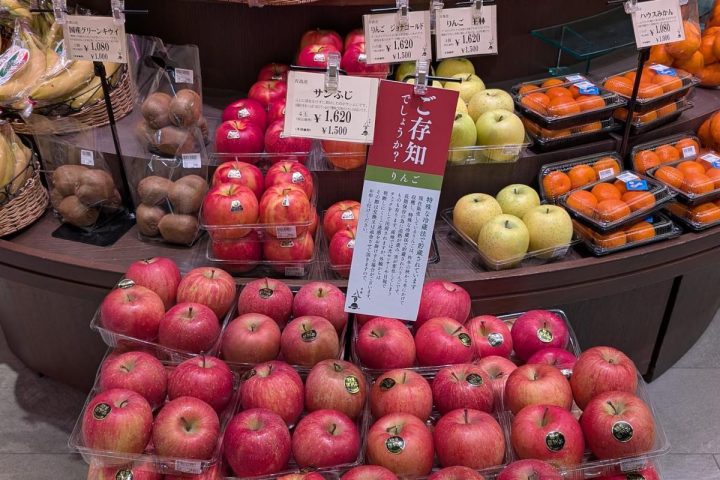
Cooking with the weather naturally becomes cooking with what is abundant, because the produce that is cheap and piled high at the market is what is in season near you. That abundance is a prompt to plan meals around what needs using, rather than a fixed list bought in advance and half-forgotten. The scale of what this addresses is easy to underestimate: households throw away about 79 kilograms of food per person each year, and roughly 1 billion meals are wasted worldwide every day, according to the UN Environment Programme’s Food Waste Index. Most of that never spoiled; it was simply lost track of.
A surprising share of that loss comes down to printed dates read as instructions. Except for infant formula, date labels are not required by federal law in the United States and are not safety indicators, and a “Best if Used By” line describes quality rather than safety, so food showing no signs of spoilage is generally fine past it, according to the USDA’s Food Safety and Inspection Service. The seasonal habit of paying attention to the shelves fits neatly here: look, smell and taste before deciding, rather than binning by the calendar. A kitchen that already glances at what is ripe tends to glance at what is about to go.
The quiet sustainability of comfort
A kitchen aligned with the weather uses less artificial heating and cooling, because it stops asking appliances to undo what the cooking is doing. That is the most direct saving, and it is real if modest. The waste side is larger still, because the home is where most food is lost: households account for around 60 percent of all food wasted worldwide, about 631 million tonnes in 2022, according to the UN Environment Programme’s Food Waste Index.
Where that food ends up is the part most people never see. Food waste makes up about 24 percent of the material sent to landfill in the United States, and once buried it breaks down without oxygen and releases methane: landfilled food waste is responsible for about 58 percent of the fugitive methane escaping from municipal landfills, according to the US Environmental Protection Agency. Methane is a powerful warming gas, so a scrap saved in the kitchen is a small climate decision as much as money saved.
Where seasonal eating meets seasonal cooking
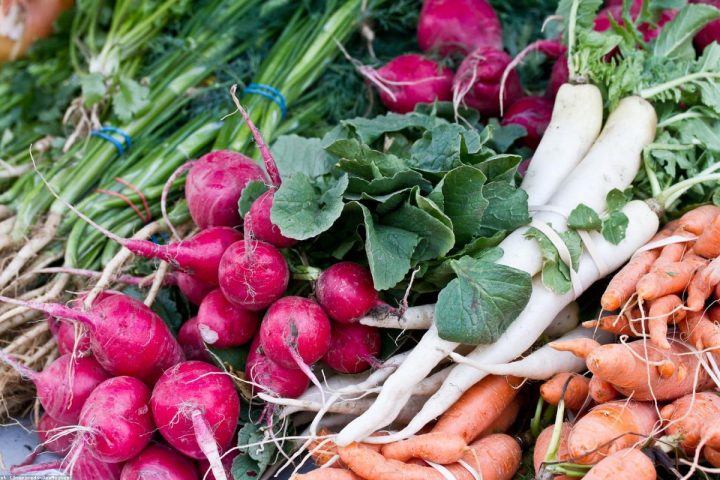
Cooking with the weather and eating with the seasons reinforce each other. Winter offers the slow-cooking ingredients, the roots, brassicas and dried beans that want a long, warm oven. Summer offers the quick-cooking ones, the tomatoes, peppers and soft greens that want barely any heat at all. Following this rhythm also makes it easier to eat well: the summer salads and grain bowls, and the winter vegetables piled into stews, are much the same route by which most people reach the World Health Organization’s suggestion of at least 400 g, or five portions, of fruit and vegetables a day. The two systems align without anyone having to force them.
Home cooking from whole seasonal ingredients also quietly helps with the parts of that advice people find hardest. When dinner is built from vegetables, pulses and grains you have seasoned yourself, it tends to carry less salt and less added sugar than the packaged equivalents, which makes the WHO’s other targets, salt under 5 g a day and free sugars under a tenth of energy intake, easier to meet without counting anything. You are letting the season set a plate that already leans the right way.
An honest allowance
Modern life does not always allow this neatly. Air-conditioned offices, indoor work and small urban kitchens all blur the line between the seasons, and a rigid rule would only add stress. Treat it as a tilt rather than a law. You can still grill in winter and bake in a heatwave when you want to; the point is the general lean, not the exceptions. Even partial alignment, cooking a little heavier in the cold and a little lighter in the heat, is enough to feel the difference in the room and on the bill.
If you notice yourself wanting soup in November and salad in July, that is worth trusting. It is usually the body asking for what the kitchen is best placed to make anyway. The most sustainable kitchens tend to be the ones that simply pay attention to that instinct and follow it, without turning it into another thing to get right.
Frequently Asked Questions
Does cooking with the weather really save energy?
Modestly. The biggest savings come from not heating the oven when the home is already hot, and not running cooling appliances aggressively. The combined effect is measurable but not transformational.
What about people who live in tropical or polar climates?
The same principle applies but with different defaults. Tropical kitchens lean heavily on quick cooking year-round. Polar kitchens lean heavily on slow cooking. Local food traditions usually reflect this already.
Is it really better to drink hot tea in winter?
Yes for most people. The combination of warmth, hydration and slower pace fits the season. Iced beverages in cold weather are not harmful, just slightly counter-rhythm.
Can I still grill in winter?
Of course. The principle is a tilt, not a strict rule. Most kitchens benefit from blending the dominant seasonal mode with occasional contrasts.
How does this connect to mood?
Body and food rhythms affect mood substantially. Eating with the weather tends to reduce the small daily friction of "what does my body actually want". Many people find this calming over time.