Seasonal eating has an image problem. It brings to mind rural farms, paper calendars and a vague obligation to refuse anything grown outside a short radius of your kitchen. The version that works in an ordinary household is far simpler. You do not need to memorise a chart or subscribe to a produce almanac. You need to look at one supermarket display with fresh eyes and let the shop do the remembering for you.
The front-of-aisle test
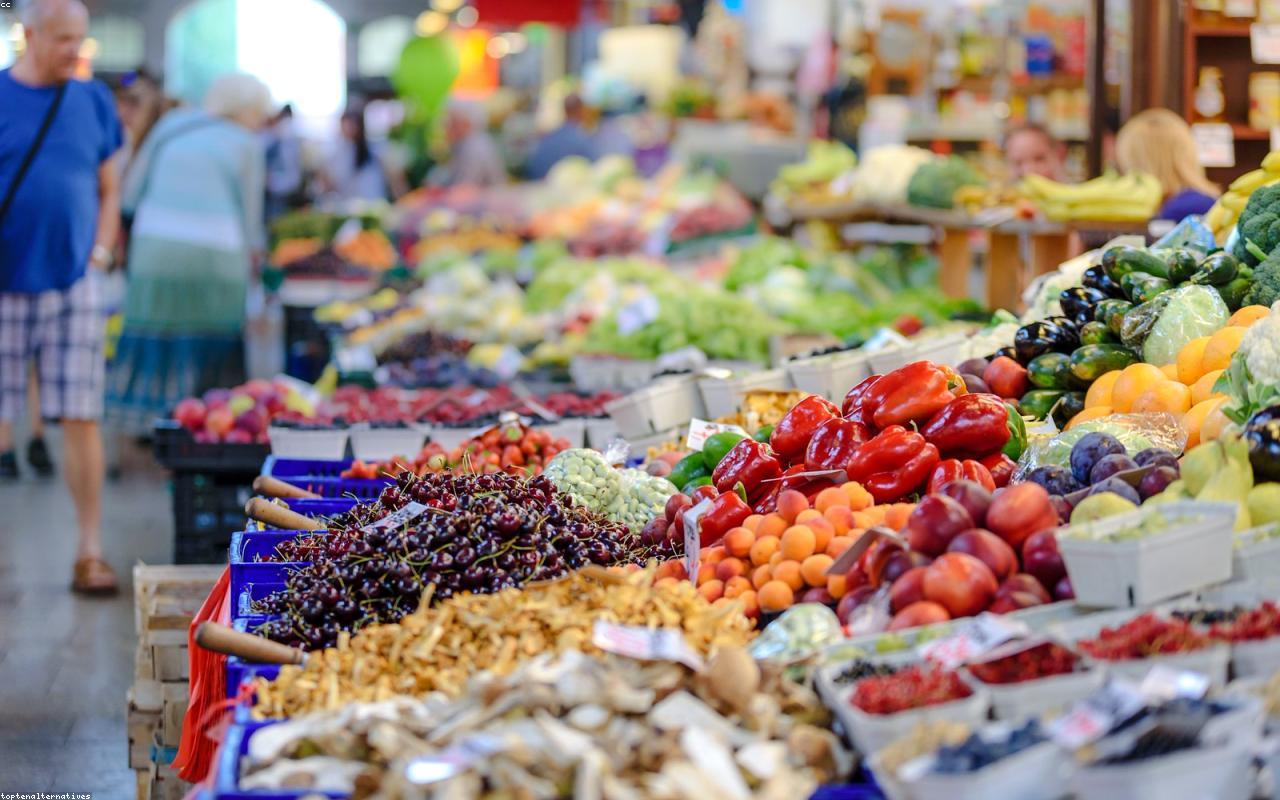
Every grocer in the country signals seasonality with the same trick. The most abundant, in-season produce sits at the front of the fruit and vegetable section, usually piled higher than anything else, often on offer, and given the prettiest visual treatment. This is not an accident. Shops push whatever is cheap for them to buy and quick to sell, and that is almost always whatever is in season near you. So walk to the entrance of the section and notice what is loudest. That pile is your seasonal answer for the week, and it refreshes itself without any effort on your part.
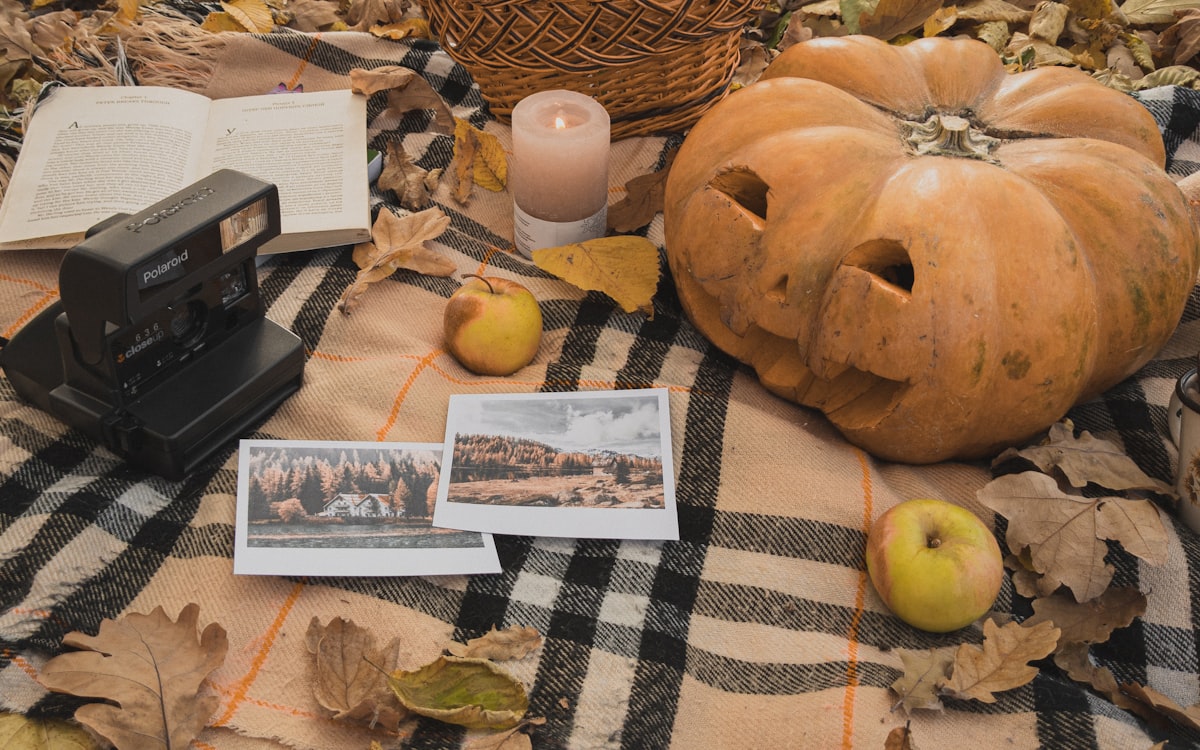
You can watch the display turn over as the year does. In the cooler months the front table fills with sturdy things that store and travel well close to home: squashes, apples, roots and the tighter brassicas. As the weather warms it swaps itself for softer, more perishable crops that only make the journey when they are grown nearby and picked recently: berries, tomatoes, stone fruit, tender salad leaves. You do not have to know which month does what. You only have to notice that the front of the aisle looks different from how it looked at the start of the season, and cook towards whatever has taken over. The same signal works at a market stall, where the grower stacks the glut at the front and calls the price out loud.
Let the price drop do the talking
Local growers and large importers converge on the same logic: when supply is strong, prices fall. If a vegetable has become noticeably cheaper over the last few weeks, that is a seasonal signal in real time, and a more honest one than any printed chart, which can only ever describe an average year rather than the one you are actually shopping in. Build the week around whatever the shop is quietly marking down. You catch the peak of the crop and the bottom of the price in the same trip, which almost nothing else in the trolley manages to do.
There is a simple way to make this concrete. Keep a loose sense of what your two or three regular vegetables usually cost, just the rough band, not the penny. When one slips below that band for a couple of weeks running, the crop has come into its window and you should lean on it while it lasts. When it drifts back up, the season is closing and the shop is telling you to move on.
Anchor each season with a couple of vegetables you like
You do not need to eat dozens of different seasonal items a year. You need two or three reliable favourites per season that anchor your cooking. In the cool months, perhaps a sturdy leafy green and a dependable root vegetable. In the warm months, perhaps a sharp tomato and a versatile summer squash. These anchors become your default, the things you reach for without deliberating, while novelty visits only as an occasional cameo. One anchor can quietly carry several meals: a leafy green wilts into a pasta one night, sits under a fried egg the next and bulks out a soup at the weekend, so you buy it with confidence and waste far less of it. Anchoring also makes the daily produce target easier to meet. The World Health Organization recommends at least 400 g of fruit and vegetables a day, roughly five portions, which feels far less daunting when a couple of vegetables you genuinely enjoy already form the backbone of most meals.
It helps to see how far one anchor stretches. Buy a large head of a winter green at the weekend and you have the spine of several dinners without buying anything else green. Shred a handful raw into a slaw the first night. Wilt a couple of handfuls into a bowl of pasta with garlic and oil the next. Braise the sturdier outer leaves alongside a roast, and drop the last of it into a pot of soup to finish the bunch off. You reach something close to those five daily portions without once standing in the aisle wondering what to buy, because the decision was made the moment you picked the anchor.
Off-season versions are treats, not defaults
An out-of-season pineapple in February is not a sustainability failure. It is a treat, and treats are allowed. The mistake is the mental order: treating the imported, off-season version as the everyday default and the in-season version as the rare exception. Flip that order and most of the work is already done. The seasonal item becomes what you buy without thinking, and the off-season craving becomes a deliberate, occasional pleasure rather than a habit you feel faintly guilty about every week.
The quiet economic win
Seasonal eating is the cheapest route to a more sustainable trolley, which is unusual, because most green advice asks you to pay a premium. Households who ride the seasonal wave tend to spend less on produce across the year, simply because they buy when supply is strong and prices are soft. No single week feels dramatically cheaper, but the saving compounds quietly over a year of ordinary shops. Very few sustainability habits pay you back at the till rather than costing you at it.
Seasonal shopping and the waste you never notice
There is a second saving that never shows on the receipt: the food you do not throw away. Buying towards what is abundant tends to mean buying what is fresh, cheap and sturdy, which is exactly the produce you are most likely to actually use before it turns. That matters more than most kitchens realise. The UN Environment Programme found that households bin about 79 kilograms of food per person every year, and that homes account for 60 percent of all the food wasted worldwide, some 631 million tonnes in a single year. Totted up across the planet, that is roughly 1 billion meals thrown out every day. Anchoring your week on a couple of seasonal vegetables you genuinely like, and buying them at the peak when they are cheap and hard-wearing, is one of the quietest ways to keep your own share of that figure down.
Working with frozen and tinned versions
Here is the part that surprises people. Frozen and tinned vegetables are often picked at peak ripeness and processed within hours, which locks in flavour and nutrients that a well-travelled fresh item has already begun to lose. Out of season, frozen frequently beats fresh imported. Tinned tomatoes are almost always better than the pale, hard fresh ones sold in the depths of winter. This is not a compromise; it is frequently the smarter choice. To hold on to that quality, store frozen produce in a freezer kept at the recommended minus 18 degrees Celsius. And do not be alarmed by the date stamped on a tin. Those labels describe quality rather than safety; as the USDA explains, a “best if used by” date signals peak quality, not a safety deadline, so a tin of tomatoes a little past it, with no signs of spoilage, is generally perfectly good. Except on infant formula, those dates are not even required by law.
The waste angle strengthens the case. A bag of frozen peas or spinach sits in the freezer until the night you want it and loses nothing while it waits, so none of it ends up thrown out because you failed to cook it in time. If you tend to buy fresh with good intentions and then watch half of it wilt, keeping a backbone of frozen and tinned versions of your anchors is both the better-tasting choice out of season and the one that quietly trims what you throw away.
Cooking ahead when a crop is cheap
A seasonal glut is an invitation to cook once and eat several times. When your anchor vegetable is piled high and marked down, buy generously and turn a large batch into a soup, a stew or a traybake in one go. Cooked leftovers keep for 3 to 4 days in a fridge held at or below 4 degrees Celsius, so a weekend pot comfortably covers a couple of weekday lunches. Cool and refrigerate the batch promptly rather than leaving it standing, since perishable cooked food should not sit at room temperature for more than two hours. Anything you cannot eat inside that window goes into the freezer, which is where a cheap seasonal peak turns into a ready meal weeks later at no extra cost.
Are you actually eating seasonally?
The honest test is quick. Look at last week’s shop. Did most of the produce match what is currently abundant at your nearest supermarket or market stall? If it did, you are eating seasonally already, with no chart involved. If it did not, there is nothing to fix and no penalty to pay; you simply nudge next week’s trolley a little further towards the abundant end. The habit is built from dozens of small, low-stakes corrections, not from a single decisive conversion, and you never need to reach the point of perfection to feel the benefit.
What seasonal does not mean
Seasonal does not have to mean local. It does not have to mean small-farm, artisanal or expensive. It simply means matching what you cook with what is currently abundant, wherever it happened to grow. Much of the sustainability benefit follows from that alignment on its own, because abundant crops are grown in their natural window, without the extra heating, lighting or long cold storage that out-of-season supply often demands. You can treat local sourcing as a separate question worth caring about, but you do not have to solve it before you start eating seasonally today.
The calmest version of the habit
Walk into the produce section once a week. Stand still for ten seconds. Notice what is piled high and on offer. Build the trolley around it, then go home and cook. Repeat that for a year and you will have shopped seasonally the whole time without once consulting a calendar, an app or a printed guide. The shop already tracks the seasons for its own commercial reasons. Eating seasonally is mostly a matter of reading the signals it puts right in front of you, and trusting them.
Frequently Asked Questions
How do I know if a vegetable is in season locally versus imported?
Check the country of origin on the label. If the price has dropped and the origin is your own country or a nearby neighbour, it is likely the seasonal version. If the origin is far away, it is imported regardless of price.
Is seasonal produce really better tasting?
Almost always, yes. Vegetables and fruit picked closer to ripeness have more sugar, more aroma compounds and better texture. The difference is most obvious in tomatoes, stone fruit and berries.
What if I crave something out of season?
Eat it occasionally. Sustainable eating is not about purity. The aim is shifting your default, not eliminating every craving.
Does seasonal eating mean eating less variety?
For a few weeks at a time, possibly. Across the year, often more variety, because you rotate through different vegetables that you might otherwise skip.
How can I plan a week around seasonal produce?
Pick three anchor meals that flex around whatever produce is loudest at the front of the supermarket. The anchors stay constant. The vegetable inside them changes with the season.