Farmers markets are easier than they look from the outside. The unfamiliar layout, the cash-only stalls, the regulars who clearly know what they are doing, all of it fades within a few visits. After that, the market tends to become the most pleasant part of the weekly shop rather than a special outing you have to psych yourself up for. What follows is the practical detail that shortens the awkward stage and turns a nervous first visit into a routine worth keeping.
What to bring
The kit is small: a reusable bag or basket, some cash, and a little zipped pocket of change. Most markets take cards now, but cash speeds up small purchases and saves the trader a transaction fee. Bring a water bottle if you plan to wander, and that is genuinely the whole list. Once the weather warms, add a cool bag with an ice pack for the trip home; eggs, fresh fish and soft leaves all keep better for it, and it buys you time if the walk back is longer than planned.
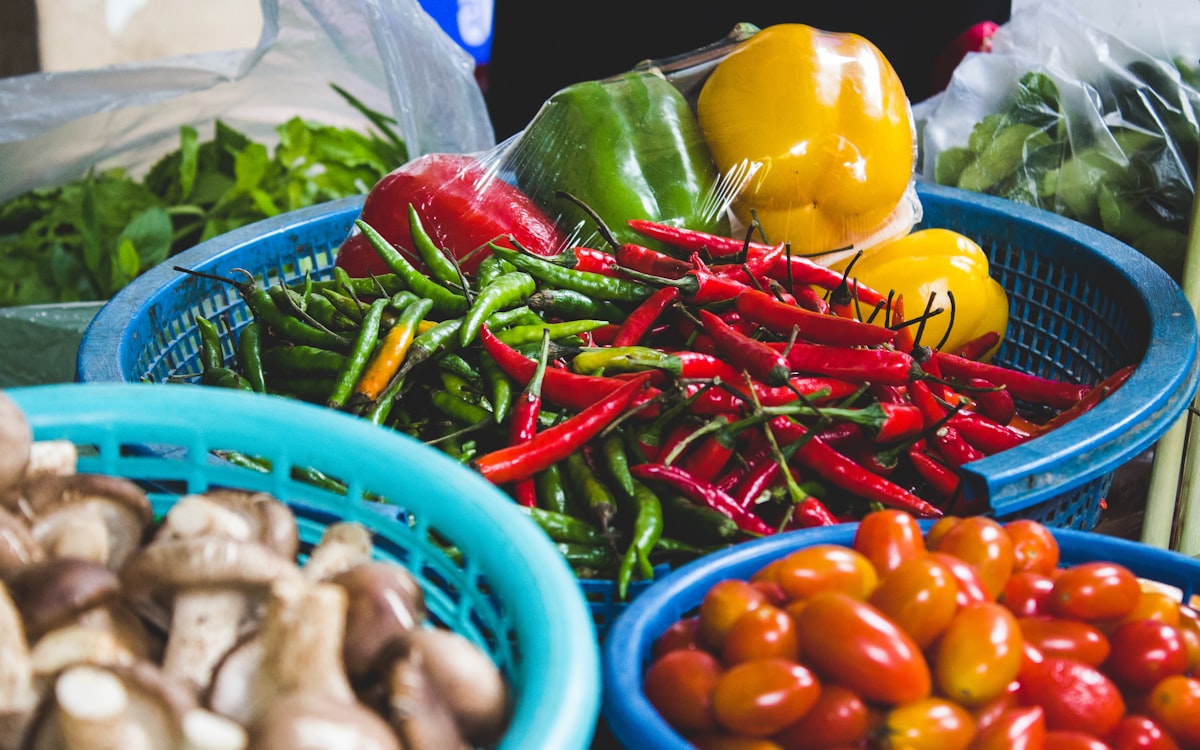
The bag matters more than it first seems. Buying loose fruit, veg and eggs straight into your own basket sidesteps the film, trays and boxes a supermarket adds by default. That is not a trivial saving. According to the US Environmental Protection Agency, containers and packaging are the largest single category of municipal solid waste, about 28 percent of what is generated. A market shop is one of the few grocery routines that quietly avoids most of it. Bring a few smaller produce bags too, so loose mushrooms or a handful of beans do not push you back onto plastic at the stall.
When to go
Timing changes what you come home with. The best produce is there early, before the crowds and before popular stalls sell through their fish, their bread or their best bunches. The easiest conversations with traders happen in the quieter stretch mid-session, when nobody is queuing impatiently behind you. The sharpest discounts sometimes appear near closing, though by then the selection has usually thinned. For your first outings, the middle of the session is the friendliest balance of choice and pace. If there is a specific thing you have come for, a whole salmon, a particular sourdough, treat it as an early errand rather than a late one.
Walk the loop before you buy
Walk the whole market once before spending anything. Different stalls often carry the same produce at different prices, sizes and quality, and you cannot judge value from the first table alone. Treat the opening lap as information gathering and the return lap as shopping. In practice this means noticing, as you pass, that the first stall’s tomatoes cost more than firmer fruit from a grower further along, or that the same money buys noticeably better. Most newcomers skip that first walk and end up paying more, or filling their bag before they have seen the better produce further in. It costs you the length of one slow lap and usually saves more than that.
Talk to the person who grew it
The most useful market habit is asking the plain questions: where something was grown, when it was picked, what is at its peak this week, and how the grower themselves would cook it. These are not silly questions. Growers tend to enjoy them, because they make the work feel seen, and you will pick up specific, seasonal tips that no supermarket shelf label offers. A good opener early on is simply, “What is best this week?”, and traders will usually steer you straight to whatever is at its finest. Follow it with “How would you cook this?” and you often leave with a method as well as an ingredient, which matters when the thing in your bag is unfamiliar. Ask, too, what will be good in the weeks ahead; growers know their own crop calendar and will happily tell you what to look forward to.
Judging freshness without a printed date
Market produce rarely carries the printed date labels a supermarket relies on, which unsettles some newcomers at first. It should not. Those labels are less authoritative than they look: the USDA Food Safety and Inspection Service notes that, except for infant formula, date labels are not required by federal law and are not safety indicators. A “Best if Used By” date signals quality rather than safety, and food showing no signs of spoilage is generally fine past it. At the market you simply do the judging yourself, which is not hard: firm skins, bright leaves, a clean smell, eggs that feel heavy for their size. Ask the trader when it was picked and trust your senses over any printed reassurance. That habit carries back to the supermarket too, where a great deal of perfectly good food is thrown out on the strength of a date that was never a safety line in the first place.
The money question
Farmers markets are not uniformly dearer than supermarkets; they are simply different. Some things are noticeably cheaper, such as eggs and produce in full season. Some are dearer, particularly specialist items and unusual varieties you will not find elsewhere. Plenty land in roughly the same place. The sensible approach is a category-by-category comparison rather than assuming the whole shop is either an upgrade or a splurge. A useful habit is to pick a few staples you buy every week, eggs, bread, a salad leaf, and quietly compare them against your usual supermarket price over several weeks. Note the price against the size or weight, since a market bunch is often larger than a supermarket pack, and factor in that produce picked days rather than weeks ago tends to last longer once home, which is real money if less of it ends up in the bin. You will find the market wins on some and loses on others, which is exactly the point.
What to buy, what to skip
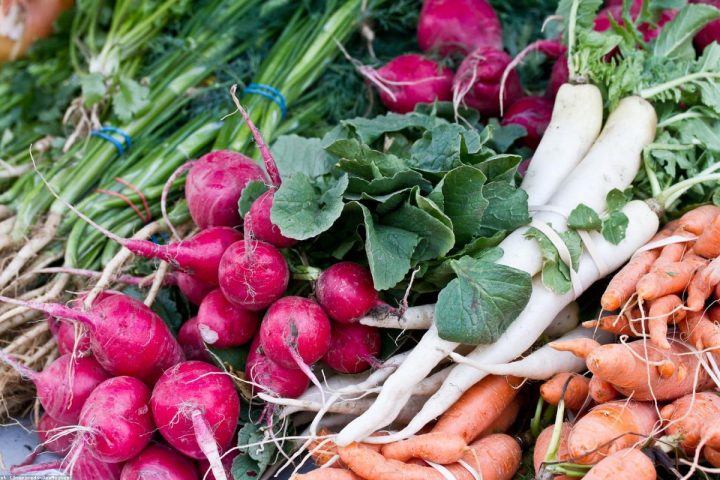
The market is strong on anything fresh and seasonal: ripe produce in season, eggs, bread, honey, herbs, fresh fish and seasonal flowers. Eggs in particular are often one of the more competitively priced things on the whole market, and the quality gap is easy to taste. It is usually weaker on shelf-stable pantry staples, household basics and hot prepared food priced for a day out. A simple rule holds up: buy the perishable, freshly made things at the market, and leave the tins and cleaning products for the supermarket. If you are building a proper shop rather than grazing, let the season lead: root vegetables and hardy greens through the cold months, salad, berries and stone fruit through summer, squashes and apples in autumn. Buying what is genuinely in season is where the market is both cheapest and at its best, and it saves you paying a premium for something grown far away and out of its time.
The seasonal honesty test
A good market is the most honest seasonal shop you will find. If a stall is selling tomatoes in the depths of a northern winter, it is fair to ask, gently, where they were grown. The answer is revealing. Genuine traders are blunt about origin in a way a supermarket’s supply chain rarely is, and asking is also how you tell a grower from a reseller. Someone who grew it will happily talk about the farm, the variety and the weather that year; a reseller tends to get vaguer, and there is no shame in quietly preferring the stall that can answer.
Getting it home without waste
Market produce is often picked far more recently than supermarket stock, so it starts fresher, but that head start is squandered if the food then sits forgotten. This is where a beginner’s enthusiasm can backfire: a heavy first haul, then half of it soft or spoiled by the following weekend. Buy for the week you actually have, not the week you imagine you will cook through. It is better to come back next time than to compost a good part of an ambitious first shop.
Storage does the rest. Get perishables home and chilled promptly. FoodSafety.gov advises keeping the fridge at 4C (40F) or below and the freezer at -18C (0F), and not leaving perishable food at room temperature for more than two hours, or just one hour once it is above 90F, which is worth remembering if you linger over a coffee before heading back on a warm day. Fresh fish and eggs especially reward a cool bag and a quick trip home rather than a leisurely detour. Anything you cook from the haul keeps 3 to 4 days in the fridge, so a Saturday shop turned into a big batch on Sunday comfortably covers the first working days of the week, and the freezer catches whatever you will not reach in time. A glut of herbs, a surplus of berries or an extra loaf all freeze rather than spoil.
A working habit, not an aesthetic
The real trap is treating the market as a weekend lifestyle accessory rather than a working part of the food shop. The shop is the point; the atmosphere is a bonus. Households that fold the market into their normal weekly routine tend to spend more sensibly and throw less away, while those who treat it mainly as a photo opportunity often buy more than they use.
That waste question is not marginal. The UN Environment Programme found that households are responsible for about 60 percent of the food wasted worldwide, around 631 million tonnes in 2022, and that roughly 1 billion meals are thrown away every day. Averaged out, that is about 79 kilograms of food per person each year, much of it fresh produce bought with good intentions and never cooked. Shopping in step with what is genuinely in season, and only buying what you will actually get through, is one of the more practical ways a single household can chip away at that figure.
If there is no market near you
Plenty of areas without a weekly market still have community supported agriculture schemes (CSAs), veg-box deliveries or small farm shops that fill the same gap. The benefit comes from the shorter distance between you and whoever grew the food, not from the specific format of a row of stalls. If the relationship with the producer is there, the format matters less than it might seem.
The first visit is awkward; on the second, a stall or two already looks familiar; before long the regulars start nodding hello. It remains one of the more personally rewarding ways to do an ordinary grocery shop, and it happens to be one of the cleaner sustainability choices a household can make week to week.
Frequently Asked Questions
Is farmers market produce really fresher?
Often dramatically so. Supermarket produce can be days or weeks old by the time it reaches the shelf. Farmers market produce was typically picked within 24 hours of arriving at the stall.
Do I need to bring my own bags?
Yes ideally. Most stalls provide paper or plastic if needed, but a sturdy reusable bag is more efficient and friendlier to the farmer.
Can I haggle at a farmers market?
Generally no. Farmers price thoughtfully and small purchases do not justify negotiation. The exception is late-day clearance or large bulk purchases, where a gentle question is sometimes welcome.
Are farmers market eggs really worth the price?
For most shoppers, yes. The quality difference is significant. They are also one of the most competitive market items on price compared to supermarket equivalents.
How do I know which stalls are actually local farmers?
Ask. Genuine farmers happily talk about their farm. Resellers tend to be vaguer. Most well-run markets have certified producer schemes that are listed publicly.